
1617 — the year on the eve of the Thirty Years' War
An overview of the year 1617, its calendar context, major political events, cultural and scientific backdrop, and its historical significance.
Overview
The year 1617 (MDCXVII) stood in the early decades of the 17th century, a period of religious tension, expanding overseas empires, and the first stirrings of the scientific revolution. It is most often encountered in contemporary sources with dates recorded under two competing systems: the reformed Gregorian calendar adopted by many Catholic states and the older Julian calendar still used in other regions.
Image gallery
10 Images


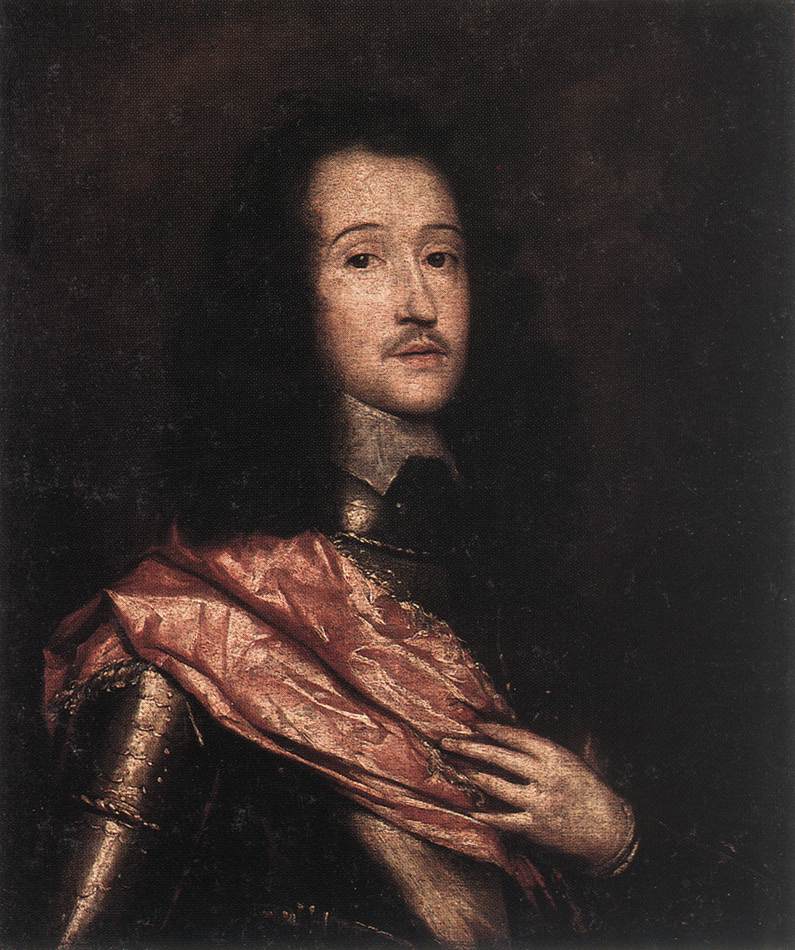
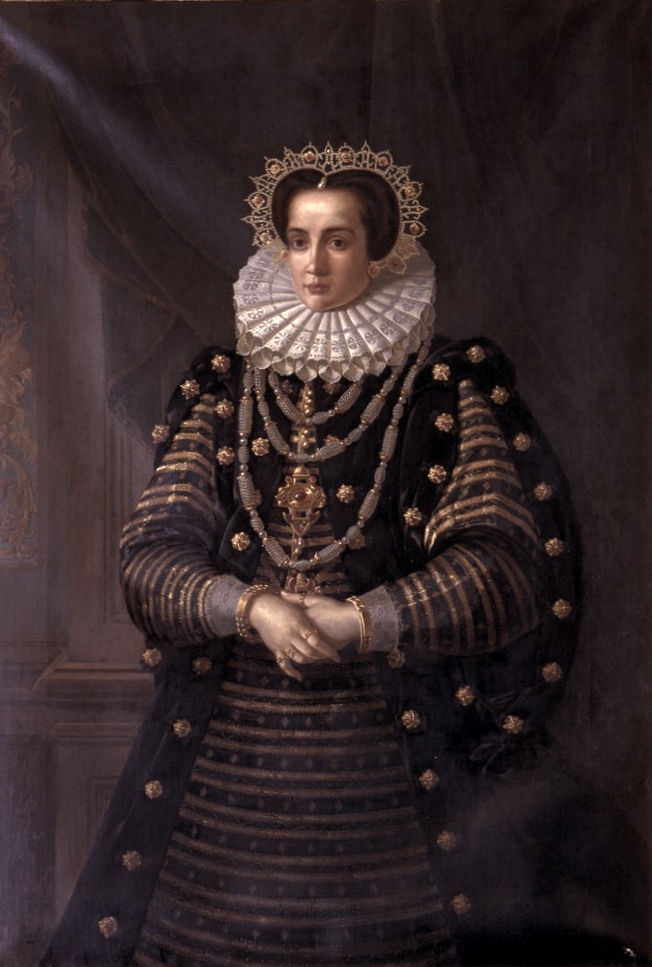

Calendars and dating
In 1617 the difference between calendars was ten days: a date recorded in the Julian calendar would appear ten days earlier when converted to the Gregorian system. This discrepancy affected record keeping, diplomatic correspondence, and the dating of events across Europe. For more information on how the year appears in period sources see notations for 1617 and the Gregorian and Julian calendar discussions. Local usages and later historians sometimes reconcile dates using conversion tables such as those summarized at chronology resources and calendar guides.
Events and significance
While not marked by a single transformative event on the scale of later battles or treaties, 1617 saw important diplomatic and cultural moments. A notable diplomatic settlement that year was the Treaty of Stolbovo, which brought an end to hostilities between Sweden and Russia and reshaped power in the Baltic region. Across the Atlantic, encounters between Native American communities and English colonists continued to have lasting consequences; among the better-known personal stories from this period is the death in England of Pocahontas after her transatlantic visit.
Context: politics, religion and science
Politically, Europe in 1617 was on the brink of wider conflict: tensions between Protestant and Catholic states were intensifying and would erupt into the Thirty Years' War within a year. Culturally and intellectually, the early 17th century was a time of gradual change: experimental inquiry and new observational techniques were spreading among scholars even as traditional authorities remained influential.
Notable points and legacy
- Treaty of Stolbovo consolidated Swedish influence in the Baltic.
- The calendar difference continued to complicate international affairs and record keeping.
- Personal and colonial encounters, exemplified by Pocahontas's voyage and death in England, reflected the growing global connections of the era.
Overall, 1617 is best understood as a year that reflected broader trends: the slow drift toward large-scale continental war, the expansion of European influence overseas, and cultural shifts that would mature over the rest of the century.
Questions and answers
Q: What year was 1617?
A: 1617.
Q: What type of year was 1617?
A: 1617 was a common year.
Q: What day did 1617 start on in the Gregorian calendar?
A: 1617 started on a Sunday in the Gregorian calendar.
Q: What day did 1617 start on in the Julian calendar?
A: 1617 started on a Wednesday in the 10-day slower Julian calendar.
Q: Was 1617 a leap year?
A: There is no information provided whether or not 1617 was a leap year.
Q: When did the Gregorian calendar come into effect?
A: The Gregorian calendar came into effect on October 4, 1582.
Q: What is the difference between the Gregorian and Julian calendar?
A: The Gregorian calendar is more accurate than the Julian calendar because it has a leap year every four years, except for years that are divisible by 100 but not by 400.
Related articles
Author
AlegsaOnline.com 1617 — the year on the eve of the Thirty Years' War Leandro Alegsa
URL: https://en.alegsaonline.com/art/111552