
1620 — key events and context in early modern history
Overview of the year 1620, including major political and military events, the Mayflower and Plymouth settlement, Francis Bacon's Novum Organum, and broader cultural and colonial context.
Overview
The year 1620 sits in the heart of the early modern period, a moment when European exploration and colonization expanded, religious and dynastic conflicts intensified on the continent, and new intellectual currents began reshaping scientific inquiry. Political rivalries and religious divisions, already inflamed by the Reformation and the wars that followed, framed events that would have lasting regional and transatlantic consequences.
Image gallery
10 Images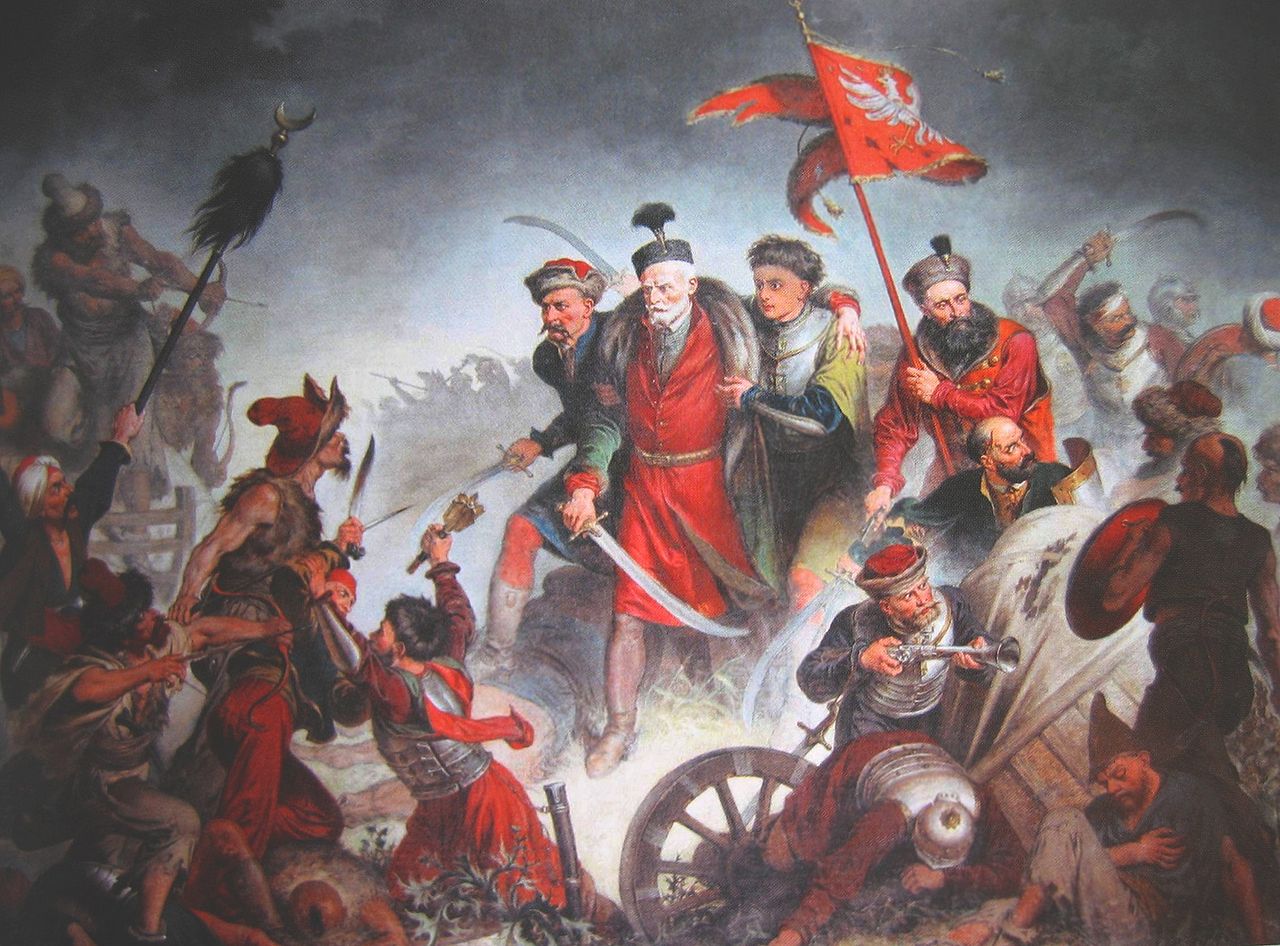






Major political and military developments
1620 was significant in the unfolding Thirty Years' War. In early November that year a decisive clash in Bohemia ended the Bohemian Revolt against Habsburg rule; the outcome strengthened Habsburg authority in the region and marked a turning point for Protestant resistance in central Europe. The result led to the exile, dispossession, or re‑Catholicization of many Protestant leaders and territories.
Colonization and the Atlantic world
In the Atlantic, 1620 is often remembered for the voyage of the Mayflower and the establishment of Plymouth Colony in what is now Massachusetts. A group of English settlers, including Separatist pilgrims, crossed the Atlantic seeking religious freedom and new economic opportunities. After landing in New England late in the year, they drew up the Mayflower Compact, an early agreement for self‑government among colonists that has become a notable example of social organization in early North American history.
Science, ideas and culture
Intellectual life in 1620 reflected the transition toward empirical inquiry. That year saw the publication of works arguing for reformed methods of investigation and for the systematic study of nature, emblematic of broader changes in the Scientific Revolution. Literary and artistic activity continued across Europe, shaped by court patronage, religious themes, and the tastes of emerging mercantile elites, particularly in regions of rising commercial power such as the Dutch Republic.
Notable themes and legacy
- State and religious consolidation: Events of 1620 accelerated centralizing policies and confessional settlement in parts of Europe.
- Colonial foundations: The Plymouth settlement became a reference point in North American colonial history and in subsequent cultural memory.
- Intellectual transition: The period illustrates the move from Renaissance humanism toward experimental science and institutionalized inquiry.
While not every change of the age can be tied to a single year, 1620 provides a concentrated snapshot of military, colonial, and intellectual shifts that shaped the seventeenth century.
Related articles
Author
AlegsaOnline.com 1620 — key events and context in early modern history Leandro Alegsa
URL: https://en.alegsaonline.com/art/111555