
1615
The year 1615, in the early 17th century, marked pivotal developments in global politics, literature and the Scientific Revolution, including the fall of Osaka Castle and the publication of Don Quixote's second part.
1615 falls within the early decades of the 17th century, a period of political consolidation, expanding overseas empires and accelerating intellectual change in Europe and Asia. States and dynasties strengthened central control, long-distance trade and colonization continued to reshape local societies, and new scientific ideas challenged traditional authorities.
Image gallery
10 Images


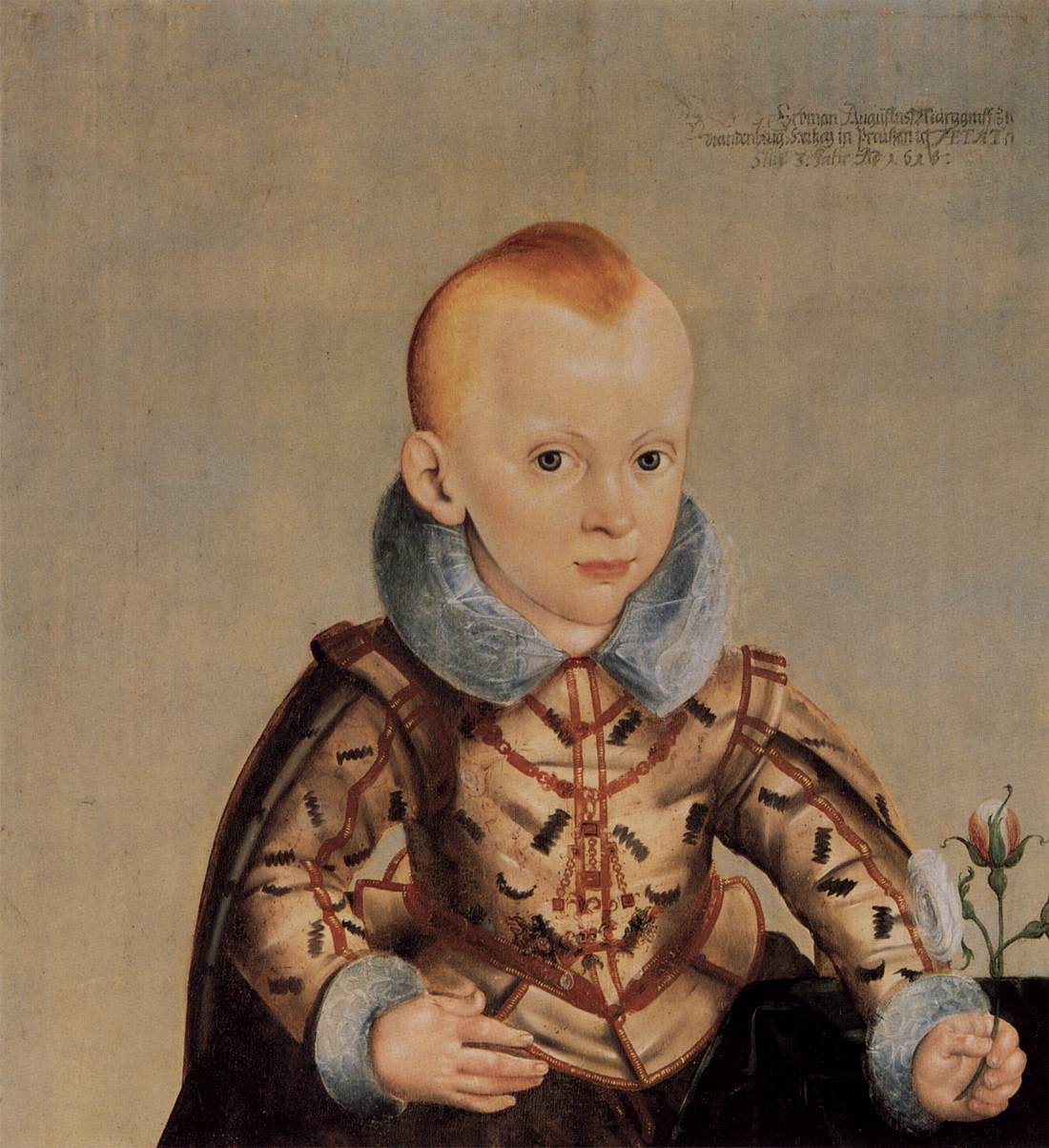
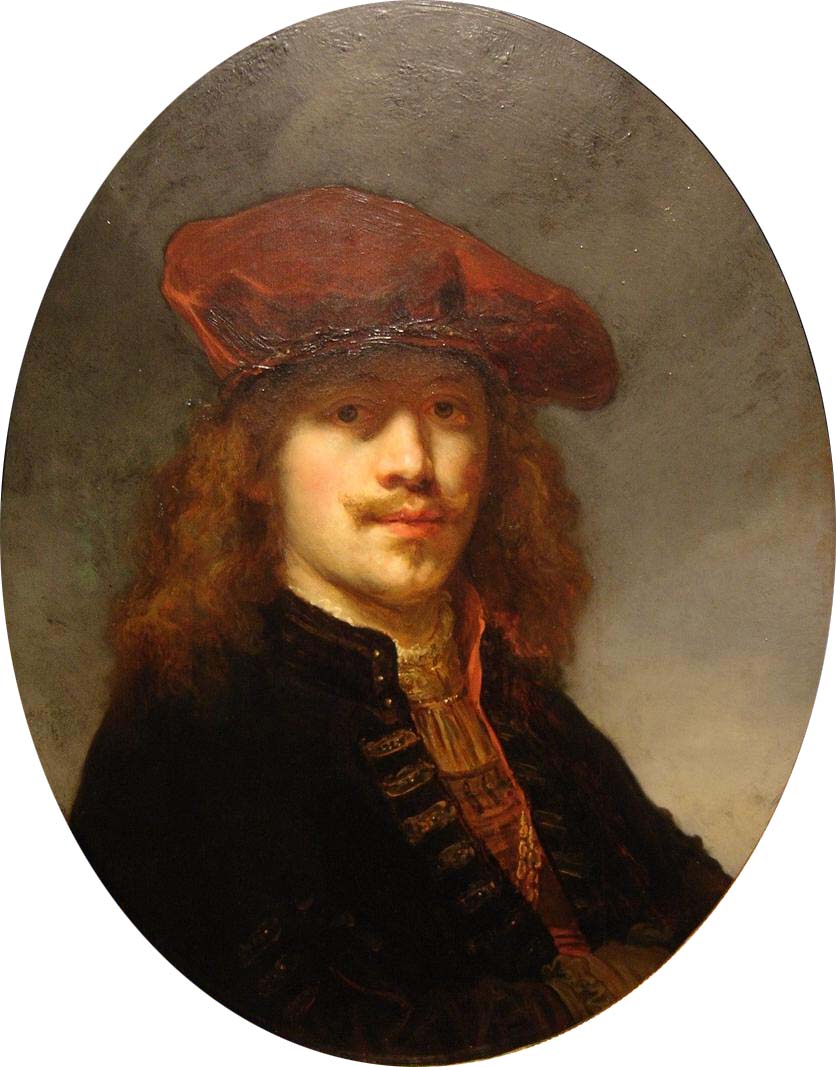
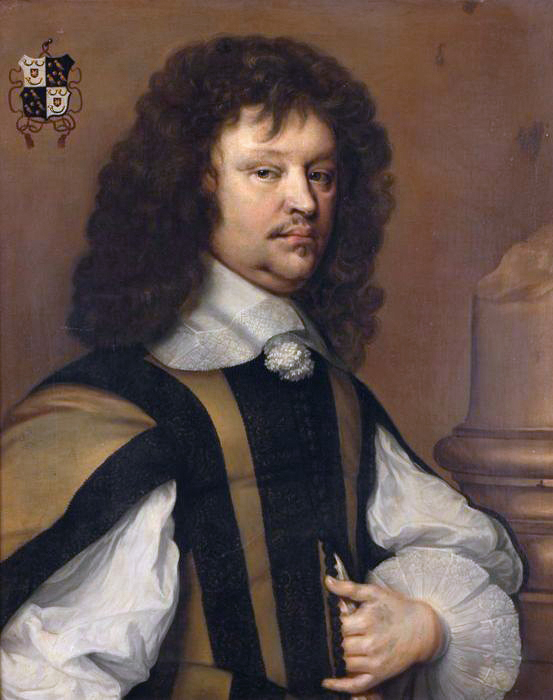

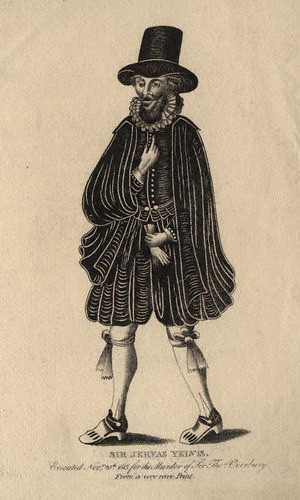

Major events
- Japan: The conflict between the Tokugawa regime and remnants of the Toyotomi family culminated in the final phase of the Siege of Osaka. The summer campaign of 1615 broke the last organized opposition to Tokugawa rule and consolidated the shogunate's dominance over Japan.
- Europe: Intellectual debates intensified as heliocentric ideas spread. Galileo Galilei composed a notable defense of the compatibility of Copernican astronomy with scripture, a text addressed to an influential patron in 1615 during the years leading up to formal ecclesiastical scrutiny.
- Culture: Miguel de Cervantes issued the second part of Don Quixote in 1615, completing a milestone of early modern literature that shaped the novel as a genre.
These events reflect wider trends: consolidation of centralized states in Asia, the rising authority of science and learned discourse in Europe, and literary experimentation that would influence subsequent generations.
Science, thought and culture
The Scientific Revolution was still unfolding. Scholars and practitioners debated astronomy, natural philosophy and the proper relation between observation and classical authority. At the same time, literature and drama in vernacular languages continued to flourish across Europe, producing works that reached a growing reading public and shaped cultural norms.
Notable people and consequences
- Toyotomi Hideyori: A central figure in the collapse of opposition to Tokugawa rule; his defeat marked the effective end of the Toyotomi line as a rival to the shogunate.
- Giambattista della Porta: A prominent Italian polymath of the Renaissance, who died in 1615; his work bridged earlier natural magic and experimental curiosity.
- Miguel de Cervantes and Galileo Galilei: Both were active in 1615 in ways that illustrate the century's cultural tensions—Cervantes in fiction, Galileo in scientific argument.
Overall, 1615 exemplifies the early modern world as a time of political reconfiguration, expanding global contact and rising cultural and intellectual exchange. Events of this year fed into longer-term transformations: durable central governments in East Asia, the momentum of scientific inquiry in Europe, and the development of modern literature.
Related articles
Author
AlegsaOnline.com 1615 Leandro Alegsa
URL: https://en.alegsaonline.com/art/111550