
1607 — year in the early 17th century
Key year in early modern history: establishment of Jamestown, the Flight of the Earls in Ireland, and Monteverdi's L'Orfeo, marking shifts in colonization, political power, and the arts.
Overview
1607 (MDCVII) falls in the early 17th century, a period of expanding overseas empires, religious conflicts in Europe, and rapid artistic change. Several events of 1607 are often cited as turning points: the first permanent English settlement in mainland North America, a decisive emigration of Irish Gaelic leaders that altered Ulster, and a milestone in the development of opera.
Image gallery
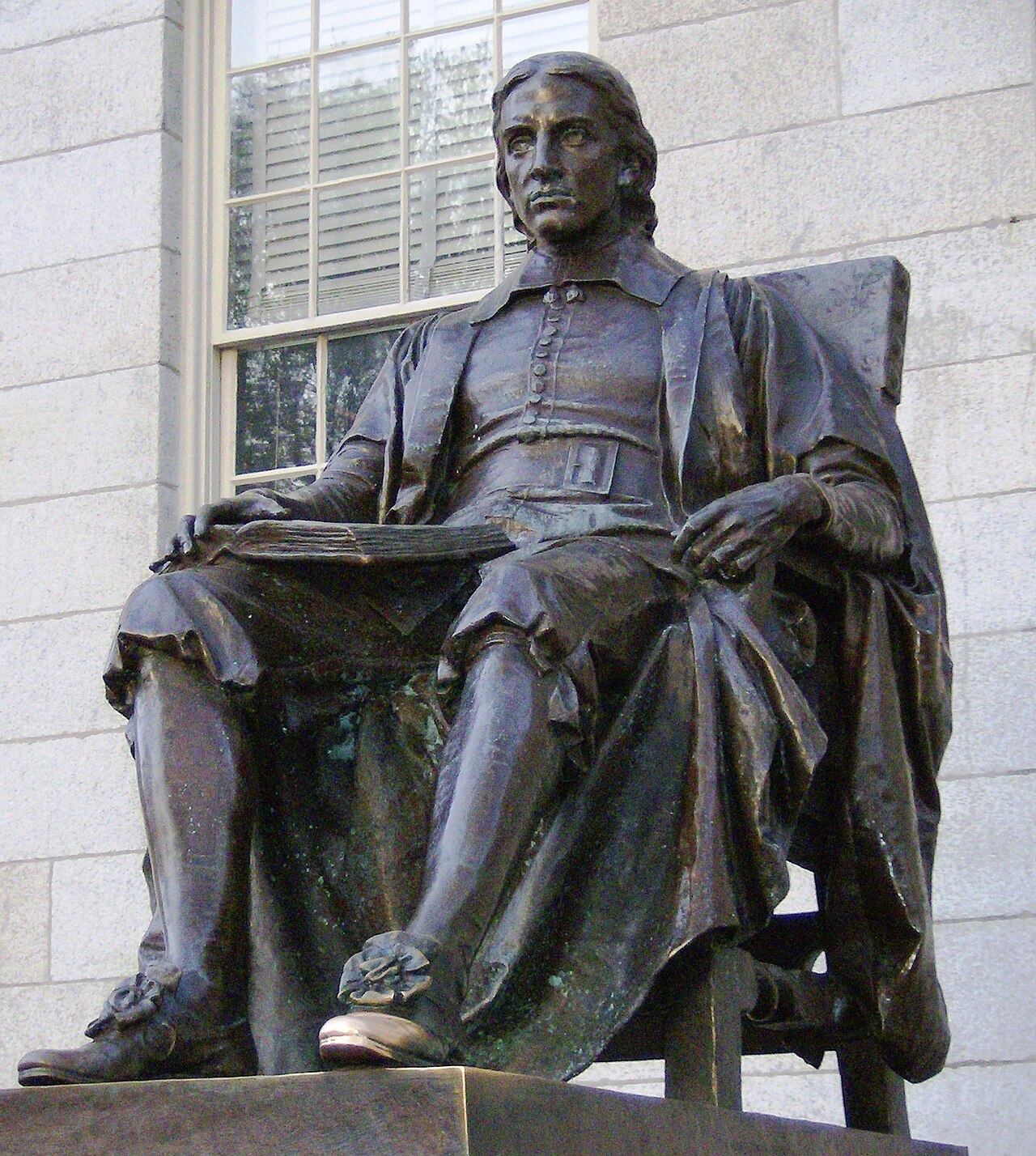
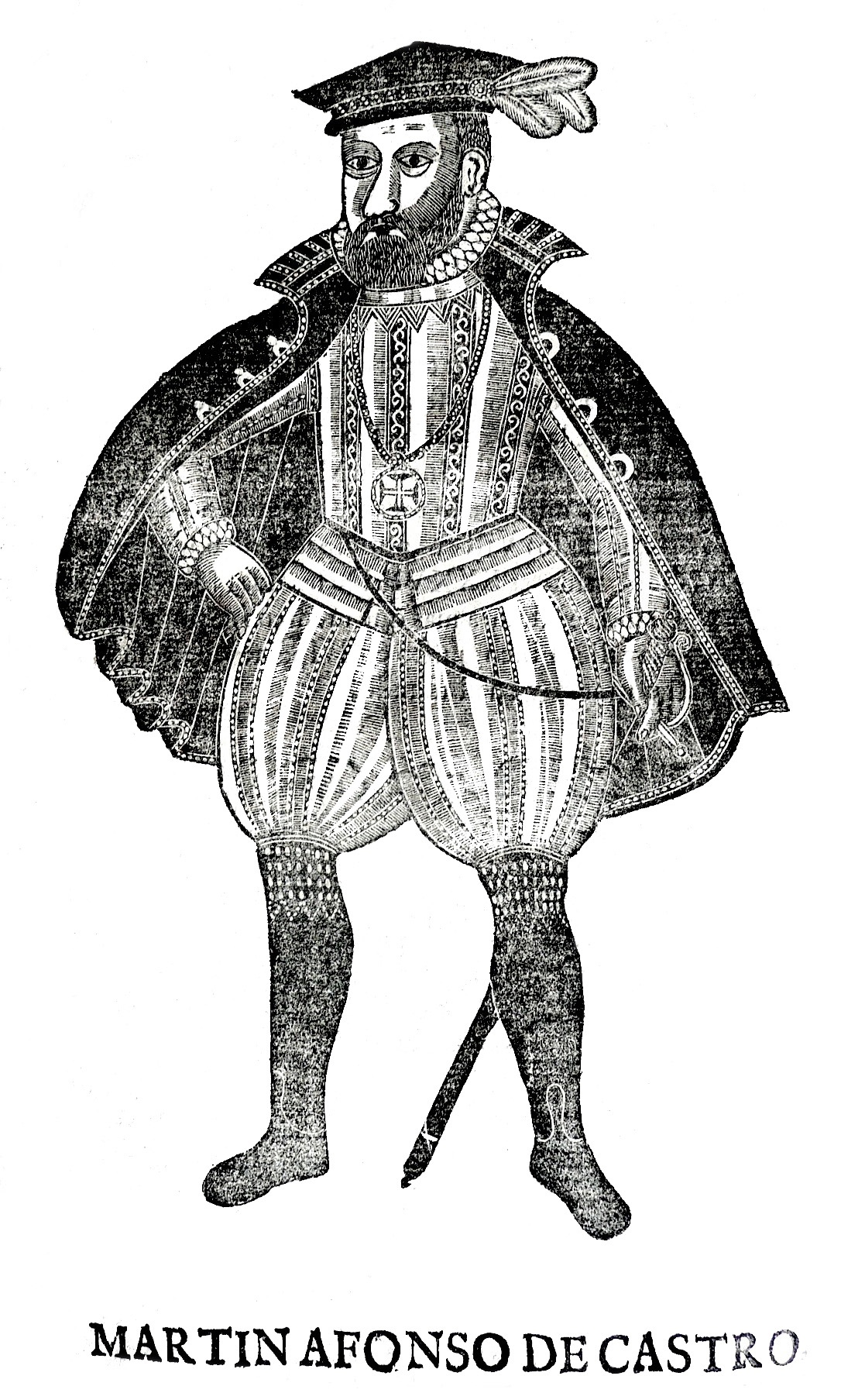
10 Images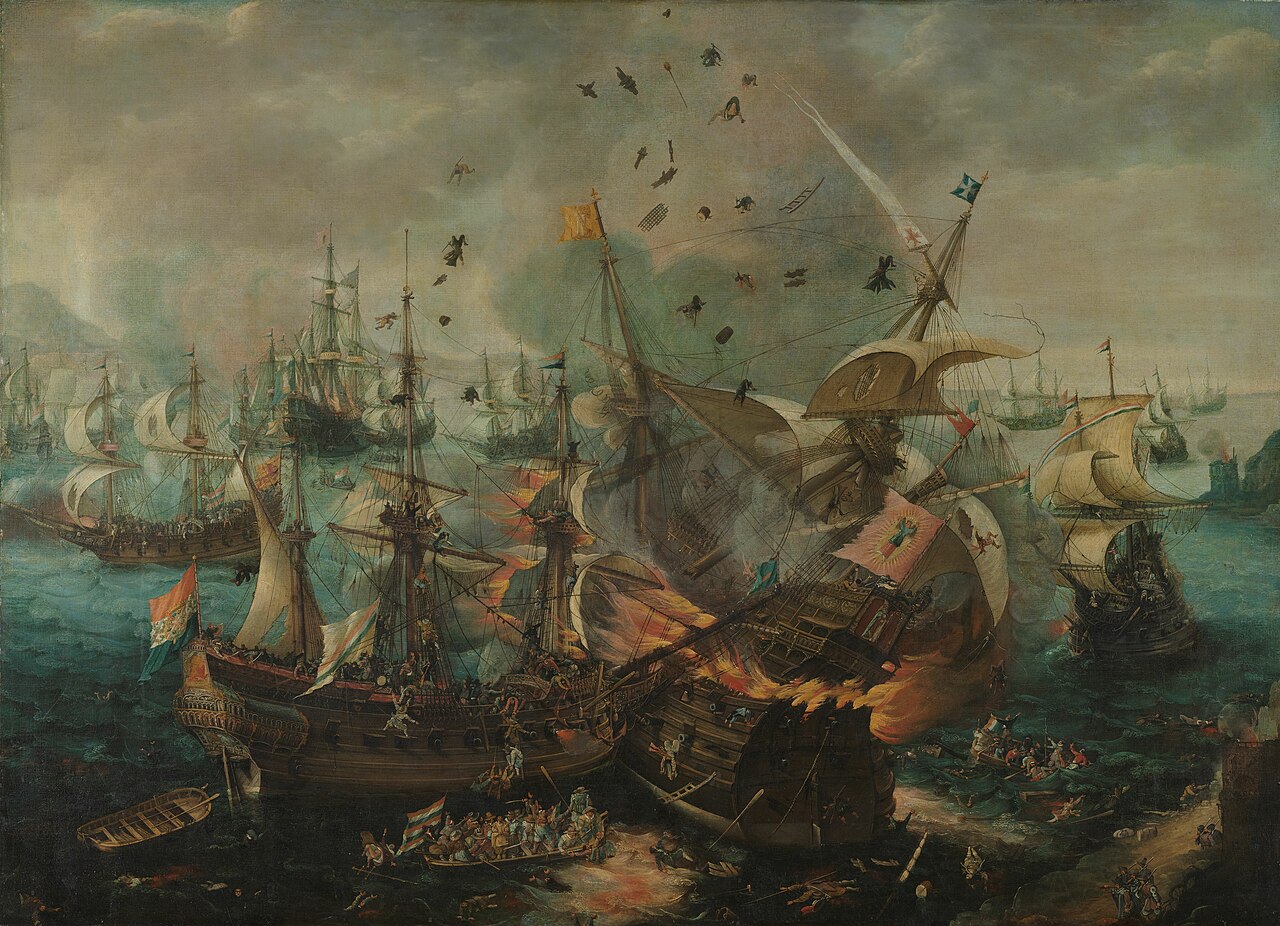






Notable events
- Jamestown, Virginia: In spring 1607 a company of English colonists sent by the Virginia Company established a settlement on the James River. This site became the first continuously inhabited English colonial foothold in mainland North America. The new community endured disease, supply shortages and fraught relations with Indigenous nations. Early episodes, including accounts by Captain John Smith and later economic shifts toward tobacco cultivation, linked Jamestown to the subsequent history of English North America.
- Flight of the Earls: In September 1607 several leading Gaelic nobles of Ulster, notably Hugh O'Neill and Rory O'Donnell, left Ireland for continental Europe. Their departure removed organized native leadership in that province and helped open the way for the Plantation of Ulster, a program of settlement and land redistribution that had lasting demographic and political consequences.
- Monteverdi and early opera: In 1607 Claudio Monteverdi presented his dramatic work L'Orfeo at the court of Mantua. Regarded by music historians as one of the earliest operas to remain in the repertory, it exemplified new Baroque approaches to expressing drama through voice and instrumental color.
Context and wider developments
1607 took place amid broader processes: the ongoing conflict between Protestant and Catholic states in Europe, the long-running Eighty Years' War in the Low Countries, and intensifying competition for trade and colonies across the Atlantic. The year exemplifies how centralized states, commercial enterprises and military power interacted to transform local societies, economies and cultural life.
Significance and legacy
Events of 1607 are invoked as early indicators of larger trends. Jamestown figures in narratives of British colonization, intercultural contact and settler economies. The Flight of the Earls is seen as a watershed for Irish political structures and for subsequent plantation policies. Monteverdi's work from 1607 is cited in music history as part of the shift from Renaissance polyphony toward the expressive aims of the Baroque.
Calendar and notation
Contemporary sources may record dates differently depending on the calendar in use: some Protestant areas still used the Julian calendar while Catholic states had adopted the Gregorian reform, so day-to-day dates in primary documents can differ by several days according to place and practice.
Related articles
Author
AlegsaOnline.com 1607 — year in the early 17th century Leandro Alegsa
URL: https://en.alegsaonline.com/art/111542