
1608 — year in history
Summary of 1608: founding of Québec by Samuel de Champlain, formation of the Protestant Union in Germany, the appearance of the first practical telescope, and wider scientific and colonial developments.
Overview
The year 1608 sits in the early modern era, a period of expanding overseas empires, intensifying confessional conflict in Europe, and early strides in empirical science. Events of this year illustrate changing balances of power among European states, renewed colonial activity in North America, and technological novelties that helped accelerate observational inquiry.
Image gallery
8 Images




Notable events
- Founding of a French settlement in North America — Samuel de Champlain established a permanent French presence at Québec in 1608, which developed into a center for the fur trade and a base for French exploration and relations with Indigenous nations.
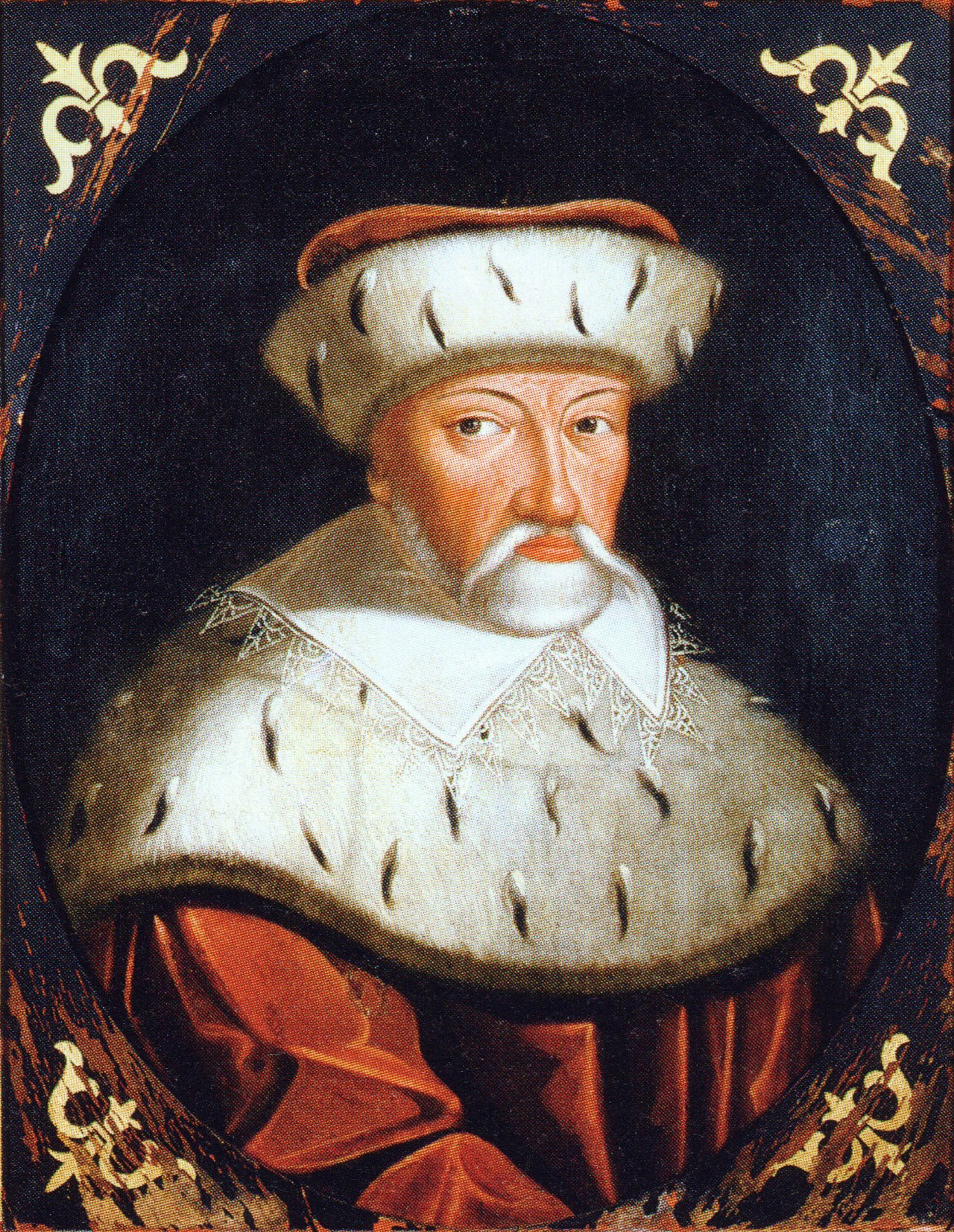
- Formation of the Protestant Union — In 1608 a number of German Protestant princes and cities created a defensive alliance to protect their confessional and political interests within the Holy Roman Empire, increasing the polarization that preceded wider conflict in the next decade.
- First practical telescope reported — A Dutch spectacle-maker produced an early refracting instrument in 1608 and sought legal protection for the idea. The device spread rapidly among navigators and astronomers and was soon improved by others, leading to important new observations.
Science, technology and navigation
The instrument reported in 1608—an early form of the refracting telescope—was a pivotal technological development. Though crude by later standards, it allowed magnified views of distant objects and was quickly adapted for maritime use and scientific observation. Within a year, astronomers and instrument makers elsewhere began to refine the design, and these optical advances contributed to changes in methods for surveying, navigation, and celestial study.
Exploration, colonization and trade
European powers continued to expand overseas networks of trade and settlement. Québec's foundation strengthened French presence in North America and the Atlantic fur trade. Merchants and chartered companies in the Netherlands, England, Spain and Portugal pursued commercial opportunities in Africa, Asia and the Americas, deepening global exchange in goods, peoples and ideas.
Politics, religion and legacy
Confessional alliances and political maneuvering in central Europe heightened tensions between Protestant and Catholic states. The defensive organization of Protestant territories in 1608 was one of several developments that made large-scale war more likely; such tensions erupted into wider conflict in the following decade. Technological and colonial changes from this period had long-term effects: improved instruments supported scientific inquiry, while new colonial footholds altered demography, economy and geopolitics.
Culture and notable births
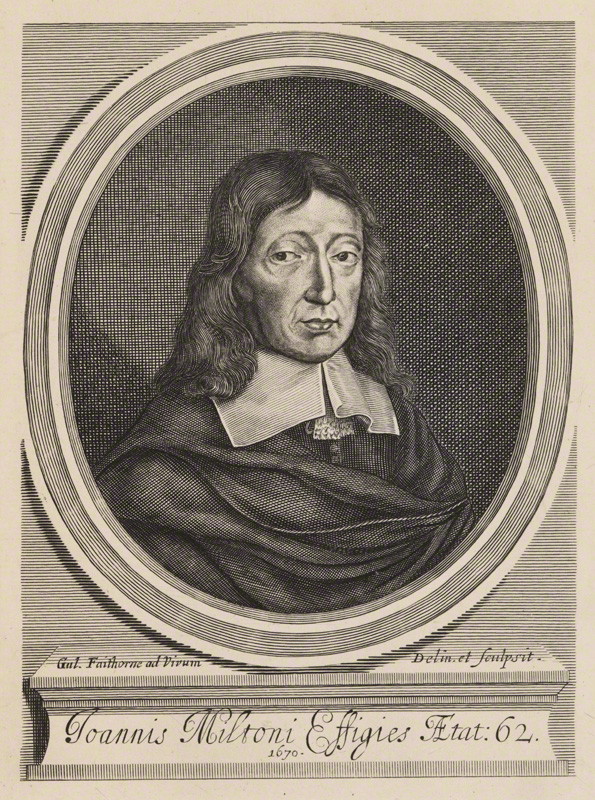
Cultural life across Europe continued in theatre, poetry and learned debate. Notably, the English poet John Milton was born in 1608; his later writings would become central to English literature. Other local artistic and intellectual activity in 1608 reflected the broader currents of the age: printing, patronage and public performance sustained lively discourse.
Summary
1608 was not defined by a single decisive event but by a cluster of developments—colonial foundations, military and religious alignments, and technological innovation—that together illustrate the dynamics of an era moving toward global entanglement and scientific change.
Related articles
Author
AlegsaOnline.com 1608 — year in history Leandro Alegsa
URL: https://en.alegsaonline.com/art/111543