
1530 (year)
Events and developments in the year 1530: political shifts in Europe and Asia, the Protestant Reformation's key moment at Augsburg, colonial activity, and notable deaths shaping mid-16th century history.
1530 was a pivotal year in the early modern period, situated squarely within the wider currents of the Renaissance, the Protestant Reformation and the expansion of European overseas empires. Political authority, religious identity and dynastic succession all produced consequences felt across continents. The year is often remembered for a major statement of Protestant belief in Germany, the fall of a leading English statesman, and a succession that shaped South Asian history.
Image gallery
5 Images


Religious and political developments in Europe
At the center of European affairs stood the Holy Roman Emperor Charles V and a divided German realm. On 25 June 1530, Protestant princes and theologians presented the Augsburg Confession to the imperial diet in Augsburg. Drafted mainly by Philip Melanchthon, the Confession summarized Lutheran doctrine and became a foundational text for the Lutheran tradition. Its presentation intensified debates between imperial authorities and emergent Protestant territories, setting a pattern of confessional politics that dominated the century.
In England the Tudor court experienced a dramatic turn. Thomas Wolsey, once the chief minister to King Henry VIII and a dominant figure in English government and diplomacy, fell from favor and was detained in 1530; he died later that year while being taken to face charges. Wolsey's collapse opened the way for new advisers and for the political maneuvers that ultimately led to Henry VIII's break with Rome.
Asia and succession: the Mughal transition
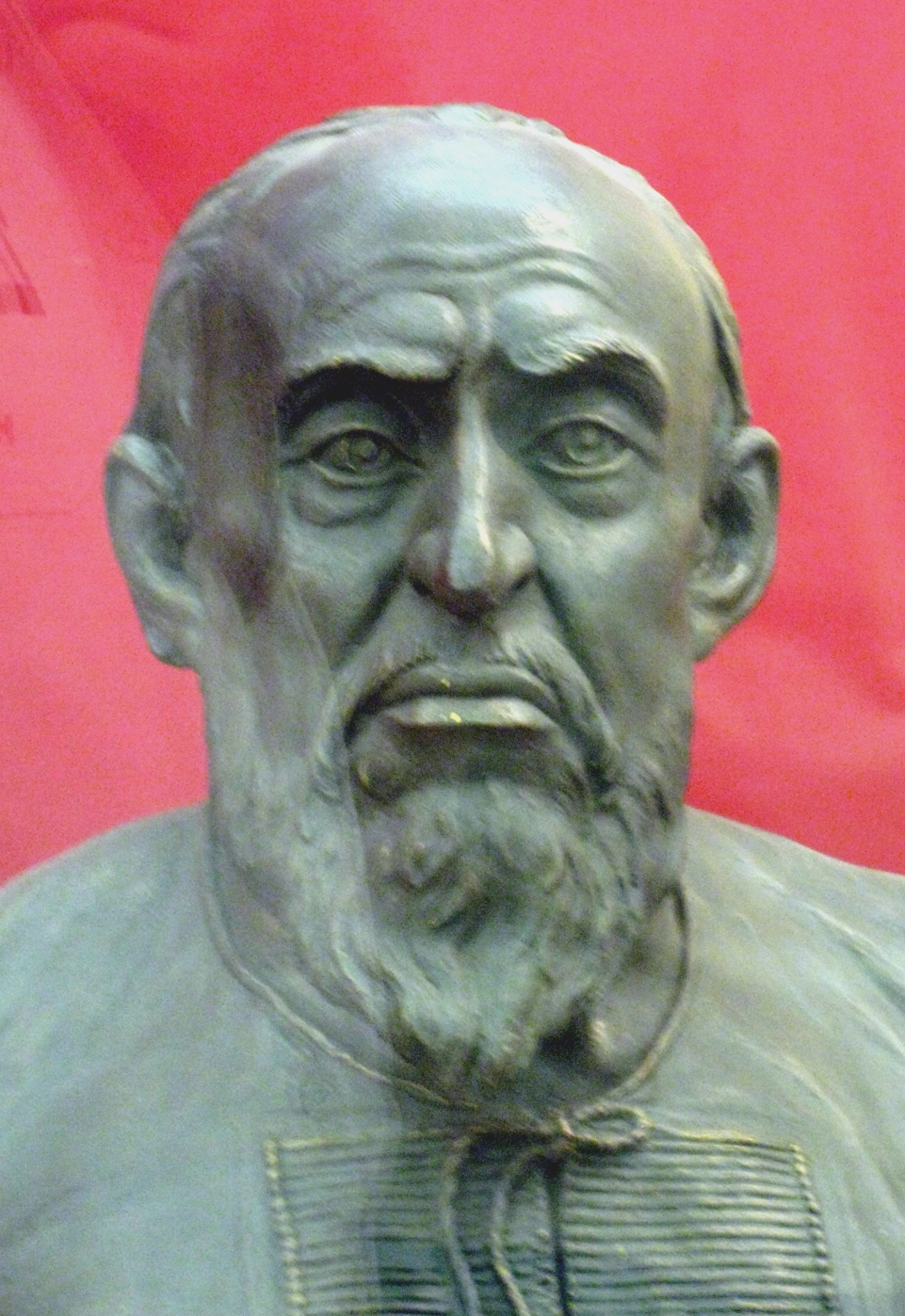
In South Asia, the year marked the end of an era and the start of another. The Central Asian ruler Zahir-ud-din Muhammad Babur, who founded what became the Mughal dynasty in northern India, died in December 1530. His son Humayun succeeded him. Though initially weaker than his father, Humayun's succession kept the new dynasty intact and set the stage for the expansion and consolidation that would follow under later rulers.
Elsewhere in Asia and Africa, regional polities continued to respond to Portuguese and other European seaborne activity along trade routes. The 1530s more generally saw intensifying competition for Asian ports and control of maritime commerce, even if no single decisive clash defines the year itself.
Culture, science and notable facts
The intellectual life of Europe remained vibrant: humanist scholarship, printing and the arts continued to spread ideas rapidly across borders. Although no single scientific breakthrough defines 1530, the decade is characteristic of steady diffusion of classical learning, technical knowledge and vernacular literature made possible by print culture.
Notable events and deaths
- Presentation of the Augsburg Confession to the Diet of Augsburg (25 June 1530).
- Arrest and fall of Cardinal Thomas Wolsey in England; his death in November 1530 while en route to face charges.
- Death of Babur (December 1530) and succession of his son Humayun as Mughal ruler.
1530 sits within a decade of transformation: confessional division in Europe, dynastic realignments in Asia, and the steady march of exploration and colonial expansion. These strands combined to make the mid-16th century a formative period for modern political and religious landscapes.
Related articles
Author
AlegsaOnline.com 1530 (year) Leandro Alegsa
URL: https://en.alegsaonline.com/art/111455