
1522
Year 1522: completion of the first circumnavigation by Juan Sebastián Elcano, the Ottoman capture of Rhodes, and Martin Luther's German New Testament — pivotal events in exploration, Reformation and imperial change.
Overview
1522 sits at the intersection of the Age of Discovery, the Protestant Reformation and the expansion of early modern empires. In a single year Europe absorbed dramatic evidence of global navigation, witnessed a major Ottoman victory in the eastern Mediterranean and saw a decisive moment in the spread of vernacular religion and print culture.
Image gallery
5 Images


Major events
- First circumnavigation completed: The surviving ship Victoria returned to Spain in 1522 after an expedition begun under Ferdinand Magellan. Commanded at the end by Juan Sebastián Elcano, the voyage proved that overseas routes could link the globe by sea and reshaped European understanding of world geography and oceanic distance.
- Siege and fall of Rhodes: Ottoman forces under Sultan Suleiman the Magnificent besieged the island held by the Knights Hospitaller. The defenders ultimately surrendered in late 1522, enhancing Ottoman control over eastern Mediterranean sea lanes and prompting new patterns of fortification and diplomacy in Europe.
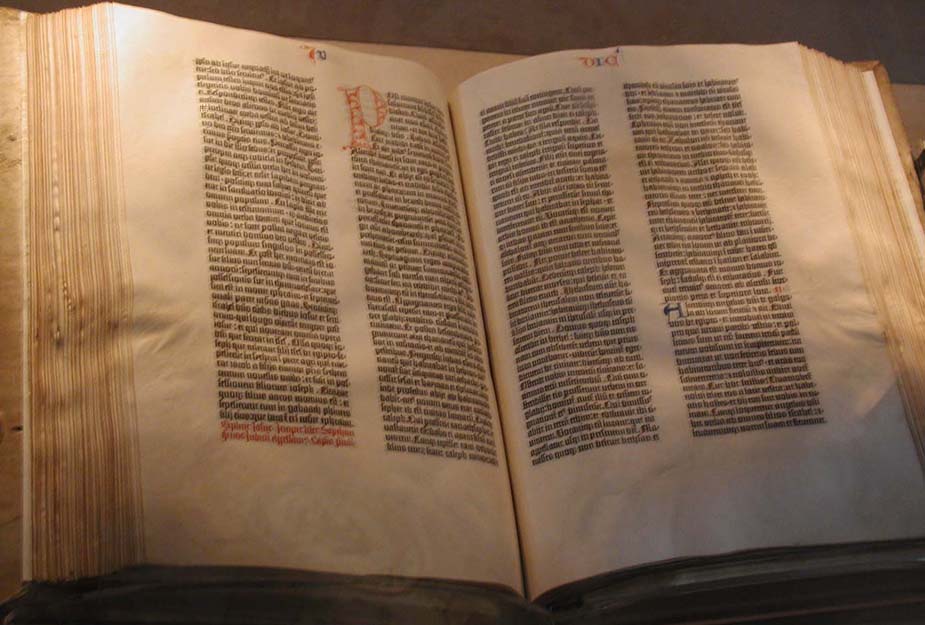
- Martin Luther's German New Testament: Luther's translation of the New Testament into early modern German appeared in 1522. Rapidly printed and widely distributed, it made scripture available in the vernacular and amplified Reformation ideas across German-speaking territories.
Context and consequences
These events illustrate linked developments. Long-distance navigation and improved shipcraft accelerated by voyages like the circumnavigation fostered new trade routes, colonial enterprises and advances in cartography and navigation. Ottoman gains in the Mediterranean altered the balance of naval power and affected Habsburg and Italian strategies. Luther's vernacular New Testament, enabled by the printing press, promoted religious debate, increased lay literacy and helped to transform devotional practice.
Culture, technology and legacy
Technological and cultural change reinforced each trend: better charts and navigational instruments, the spread of printing, and intensified commercial contacts between Europe, Africa, Asia and the Americas. Historians often mark 1522 as emblematic of a world becoming more connected — by sea, by book and by conflict — setting patterns that would shape the early modern period.
Chronology (selected)
- June–December 1522: Ottoman siege of Rhodes and surrender of the Knights Hospitaller.
- September 1522: Return of the Victoria to Spain, completing the first circumnavigation.
- September 1522: Publication and circulation of Martin Luther's New Testament in German.
Together, these events left enduring marks on geopolitics, religion and global exchange, and they are frequently cited as turning points in the transitions from medieval to early modern structures of power, belief and knowledge.
Related articles
Author
AlegsaOnline.com 1522 Leandro Alegsa
URL: https://en.alegsaonline.com/art/111447