
1523
A concise overview of the year 1523: political changes in Northern Europe, the papal succession, the wider context of the Reformation and overseas expansion in the early 16th century.
Overview
1523 was a common year beginning on Thursday in the Julian calendar (the 1523 calendar). It fell within a turbulent decade marked by the Protestant Reformation, the consolidation of new monarchies in northern Europe, and continuing voyages of exploration and conquest in the Americas and Asia. While no single global turning point defines the year, several regional developments had lasting consequences.
Image gallery
6 Images


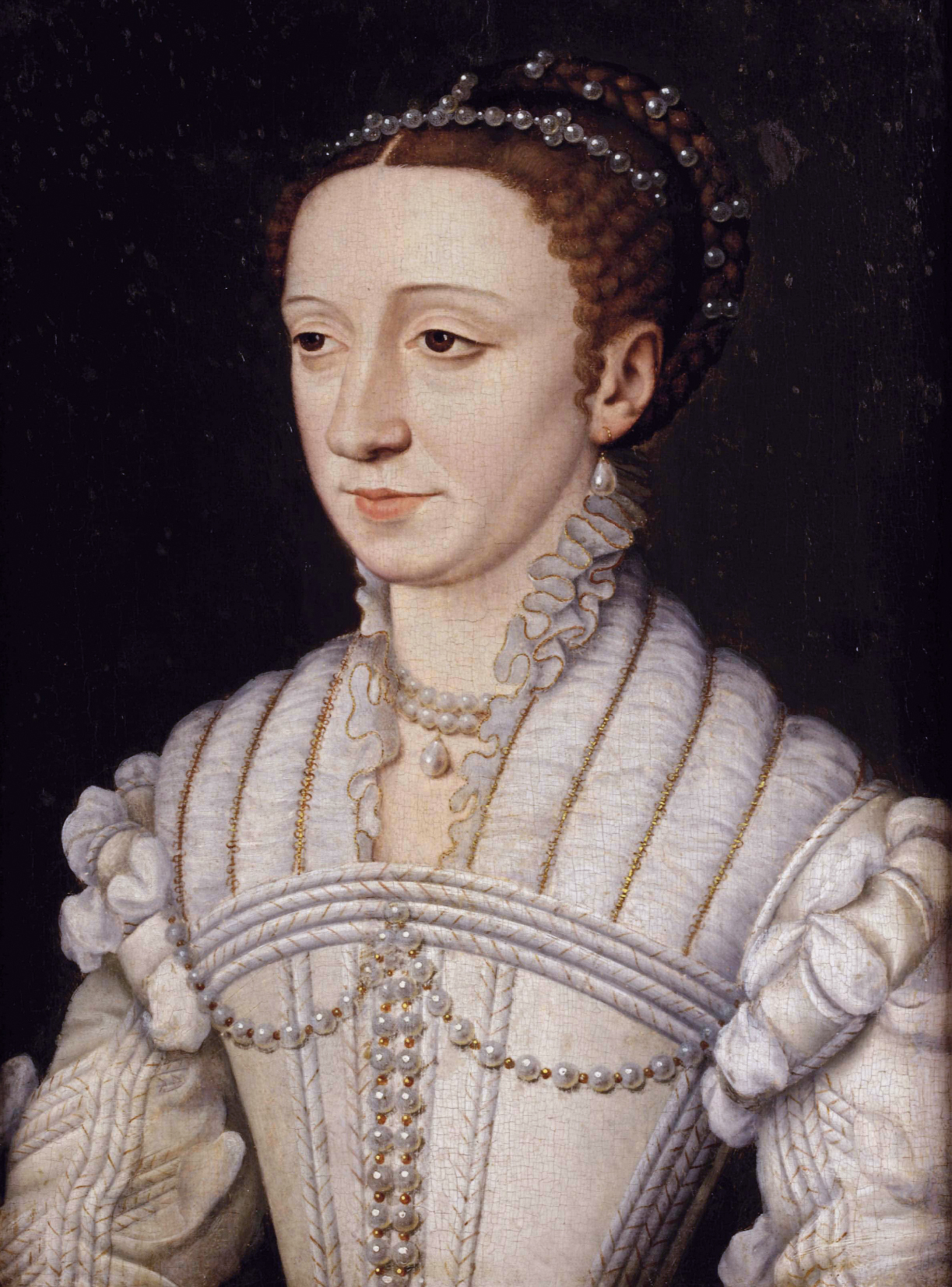


Major political developments
One of the most significant events of 1523 occurred in Scandinavia: Swedish rebels led by Gustav Vasa secured control of much of the kingdom, and Gustav was proclaimed king, ending the long dominance of the Kalmar Union and beginning a new, independent Swedish monarchy. In Italy and the wider Catholic world the papacy changed hands during the year: Pope Adrian VI died and was succeeded later in 1523 by Cardinal Giulio de' Medici, who became Pope Clement VII, a pope whose policies would shape later conflicts between France, the Holy Roman Empire and the Italian states.
Religion and ideas
The momentum of the Protestant Reformation continued to grow. Martin Luther's ideas, first articulated a few years earlier, were spreading through German-speaking lands and beyond. Debates about church authority, vernacular scripture, and reform of ecclesiastical institutions remained central to political as well as theological disputes. These religious changes interacted with regional power struggles, contributing to shifting alliances across Europe.
Exploration and overseas affairs
European exploration and colonial expansion were ongoing in 1523. Spanish and Portuguese enterprises in the Americas, Africa, and Asia continued to alter trade patterns, indigenous societies, and imperial competition. While individual voyages and colonial administrations unfolded over many years, the early 1520s represent a phase in which European presence and claims overseas grew more permanent and institutionalized.
Culture and legacy
The early 16th century remained a rich cultural period, with Renaissance art and learning flourishing in Italy and beyond, and humanist ideas circulating among courts and universities. The political and religious shifts of 1523 helped set the stage for later wars of religion, centralization of monarchies, and the reconfiguration of European overseas empires. In sum, 1523 is best understood as a year in which regional transformations contributed to broader long-term changes in politics, religion, and global contact.
Notable facts
- Gustav Vasa's rise is commonly dated to 1523 and marks Sweden's move toward independence from the Kalmar Union.
- The papacy changed in 1523 with the death of Pope Adrian VI and the election of Clement VII.
- The wider context includes the spread of Reformation ideas and ongoing European exploration of the Americas and Asia.
Related articles
Author
AlegsaOnline.com 1523 Leandro Alegsa
URL: https://en.alegsaonline.com/art/111448