
1540
Year 1540: key political shifts in Europe and Asia, beginning of major North American explorations, approval of the Jesuits, and notable marriages and executions in Tudor England.
1540 was a year of striking political change, expanding exploration in the Americas, and important developments in religion. Across continents rulers fought to consolidate control, new ventures set out to map and claim territories overseas, and the Roman Curia took steps that reshaped Catholic missionary and educational activity.
Image gallery
7 Images


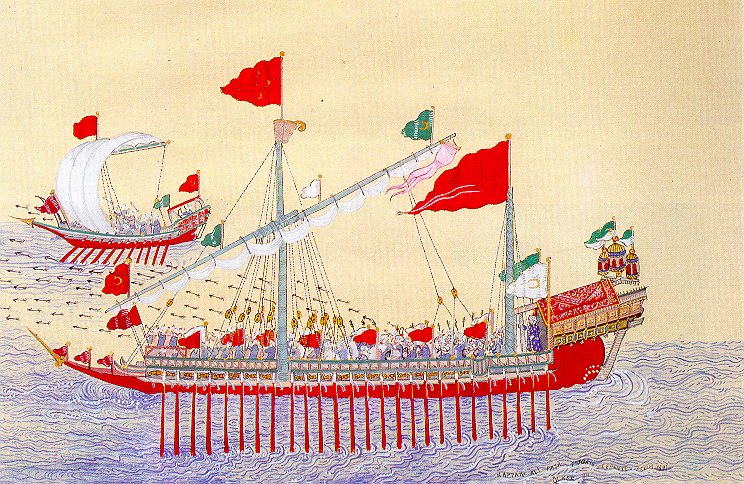


Politics and power
In South Asia the power balance shifted when the Afghan noble Sher Shah defeated the Mughal emperor Humayun and established the short-lived Sur dynasty, forcing Humayun into exile. In Tudor England, King Henry VIII completed a turbulent marital sequence: his marriage to Anne of Cleves was annulled, and he soon married Catherine Howard. The king’s chief minister, Thomas Cromwell, who had arranged the Cleves match and overseen major administrative reforms, was executed after losing royal favor—an event that signaled a dramatic court realignment.
Religion and institutions
Pope Paul III took a decisive step in Catholic reform by approving a new religious order that would play a central role in the Counter-Reformation. The newly recognized society committed itself to education, missionary work and pastoral reform, soon becoming influential across Europe and overseas.
Exploration and the Americas
Exploration continued to transform knowledge of the New World. Spanish expeditions pushed deeper into what is now the southern and western United States: an overland campaign into the American Southwest set out in search of rumored wealthy cities, while other expeditions explored the interior of North America and encountered major river systems farther inland. These journeys expanded European maps and interactions with Indigenous peoples, with long-term consequences for local societies.
Culture, science and notable persons
The year saw artistic and intellectual activity across Europe against the backdrop of political and religious change. Some prominent figures died or fell from power, while others who would shape later decades were born around this time—sometimes with only approximate dates recorded. The interplay of court politics, overseas expansion and religious reform in 1540 illustrates the interconnected strains that defined mid-16th-century history.
Notable facts
- England: annulment of Henry VIII’s fourth marriage and the king’s subsequent marriage to Catherine Howard; execution of minister Thomas Cromwell.
- South Asia: Sher Shah’s victory weakened the Mughal position and led to Humayun’s temporary loss of empire.
- Religion: papal approval of a society that would become central to Catholic reform and global missions.
- Americas: major Spanish expeditions launched into the interior of North America, mapping rivers and searching for mythical cities of wealth.
Related articles
Author
AlegsaOnline.com 1540 Leandro Alegsa
URL: https://en.alegsaonline.com/art/111465