
1534
1534: a pivotal year of the early modern era marked by England's break with Rome, the beginnings of the Jesuit order, French voyages to the Gulf of Saint Lawrence, and Ottoman gains in the Middle East.
Overview
1534 was a consequential year across Europe and beyond. Political and religious changes in Western Europe coincided with renewed voyages of exploration and shifting imperial frontiers in Asia. Decisions made and institutions formed in this year helped shape confessional identities in Europe, patterns of colonial expansion in North America, and the balance of power in the Near East.
Image gallery
4 Images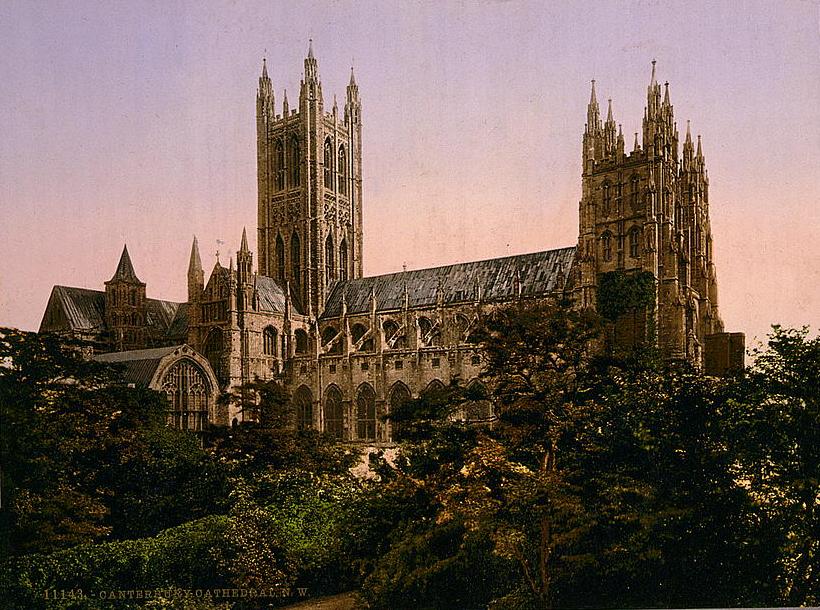


Major political and religious developments
In England, parliamentary measures enacted in 1534 completed a legal break with papal authority and established the monarch's supremacy in ecclesiastical affairs. Complementary statutes made denial of the crown's religious authority a serious offence and set rules affecting succession and public oaths of loyalty. These measures were decisive steps in the English Reformation and in the consolidation of royal power over the church.
On the Catholic side, a small group of companions under Ignatius of Loyola took vows and committed themselves to a common religious mission in 1534. Their community, originating in Paris, developed rapidly into the Society of Jesus. The Jesuits would become a major force in Catholic renewal, education and overseas missions in the following decades, even though formal papal approval came later.
Exploration and colonial expansion
European exploration continued to extend geographic knowledge and commercial ambitions. French expeditions sailed into the Gulf of Saint Lawrence and along the northern Atlantic coast of North America, initiating formal French interest in territories that later became part of Canada. These voyages combined mapping, trade reconnaissance and symbolic claims that presaged later settlement and rivalry among European powers.
Ottoman advances and the Near East
In the eastern Mediterranean and Mesopotamia, the Ottoman Empire pressed its advantage against regional rivals. Ottoman forces captured key cities in Mesopotamia from the Safavid realm, strengthening imperial control over trade routes and frontier regions. These gains altered the balance between Sunni and Shiʿa polities and had long-term diplomatic and military consequences for the region.
Other institutional changes and culture
The papacy also changed hands in 1534, with a new pope initiating a period of response to Protestant challenges and evolving diplomatic relations with European crowns. Across Europe, legal, educational and ecclesiastical institutions were affected by the year's events: universities and courts adapted to shifting orthodoxies, while missionary and reforming movements prepared for expanded activity overseas.
Notable events (selection)
- English legislation establishing royal supremacy over the church and measures affecting succession and loyalty.
- Founding steps of the Society of Jesus by Ignatius of Loyola and companions in Paris.
- Jacques Cartier's French voyages exploring the Gulf of Saint Lawrence and claiming lands for France.
- Ottoman military advances into Mesopotamia, including the capture of important cities from Safavid control.
- A change in the papacy with the election of a new pope, affecting Catholic policy and diplomacy.
Significance and legacy
The events of 1534 reflect broader early modern themes: consolidation of state authority, confessional conflict and reform, global exploration and competition for overseas territories, and imperial rivalry. Laws and institutions established in this year had long-term cultural, religious and geopolitical consequences — from the shaping of English religious identity to the expansion of French interest in North America and the global reach of Jesuit education and missions.
Further context
While not every consequence was immediate, 1534 stands as a focal point for developments that unfolded over the following decades. It illustrates how legal acts, religious commitments and voyages of exploration combined to redirect political alignments, social life and intercultural encounters during the early modern period.
Related articles
Author
AlegsaOnline.com 1534 Leandro Alegsa
URL: https://en.alegsaonline.com/art/111459