
1553
Year 1553: a pivotal year of dynastic change, religious conflict and expanding trade links, marked by the death of Edward VI, the nine-day reign of Lady Jane Grey, and new contacts with Muscovy.
1553 was a year of sharp political and religious shifts in mid-16th-century Europe. It is often remembered for a succession crisis in England, visible manifestations of Reformation tensions on the Continent, and steps toward wider northern European trade networks. The events of 1553 helped reshape governments, confessional alignments, and overseas commerce during a volatile decade.
Image gallery
8 Images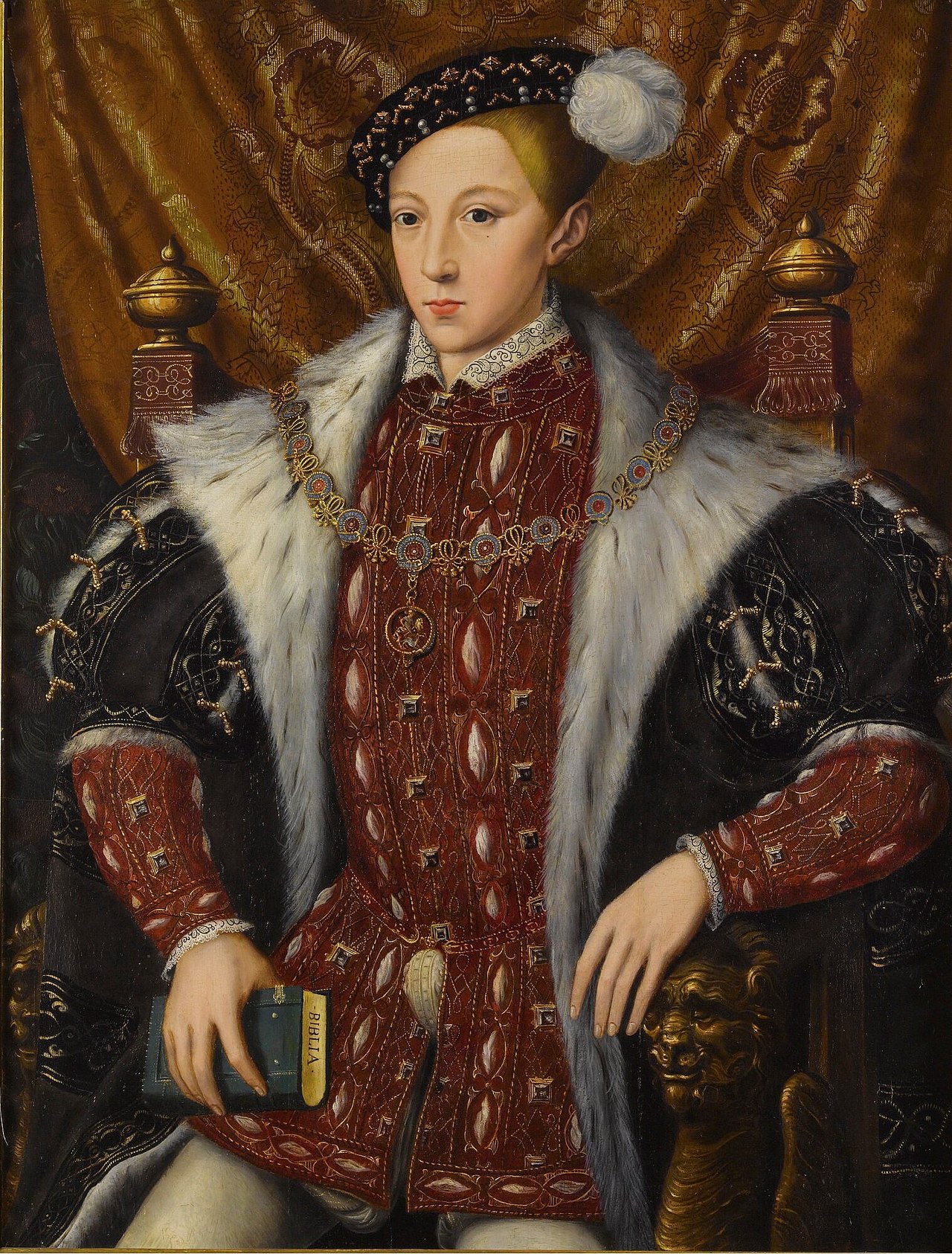





Political and dynastic upheaval
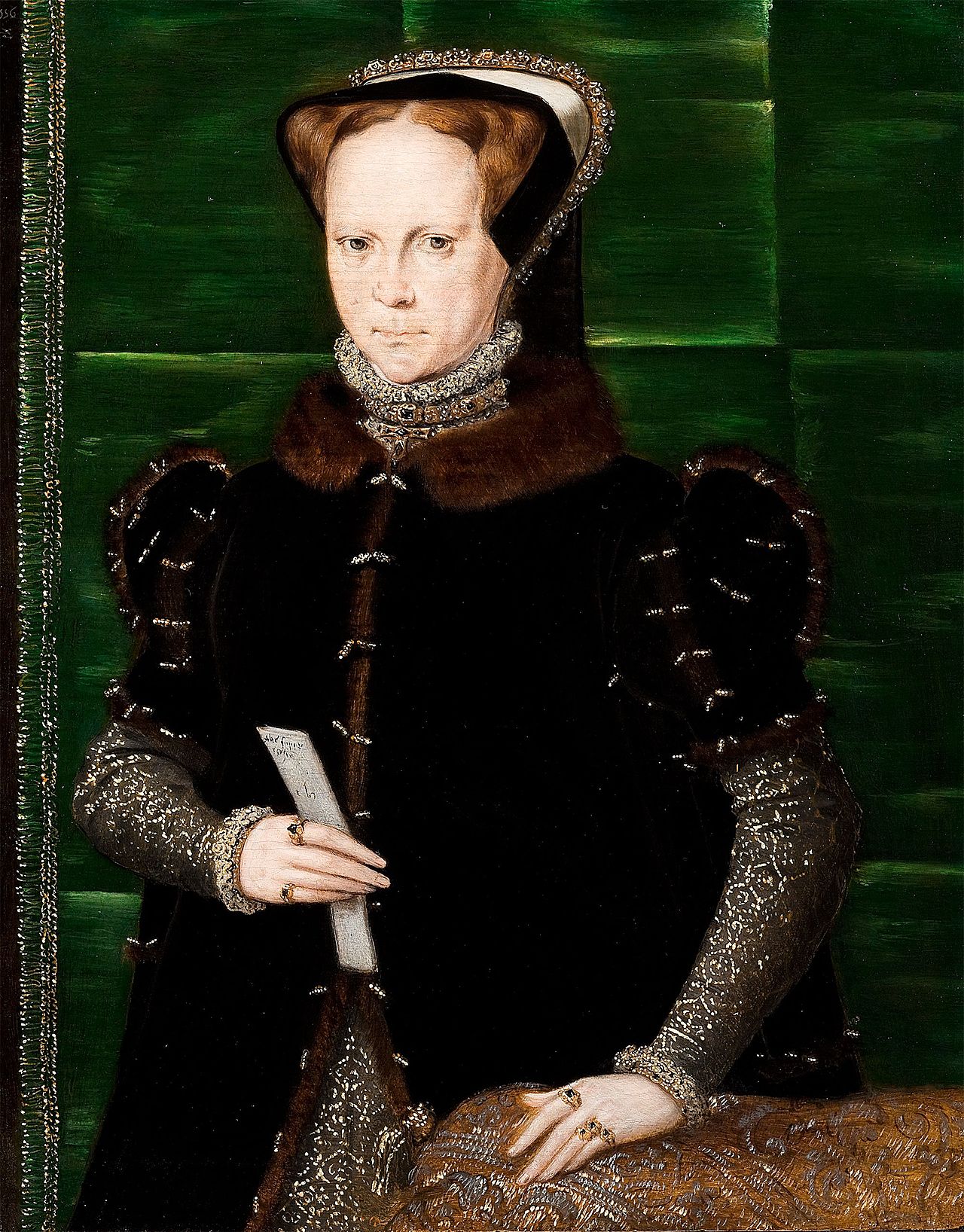
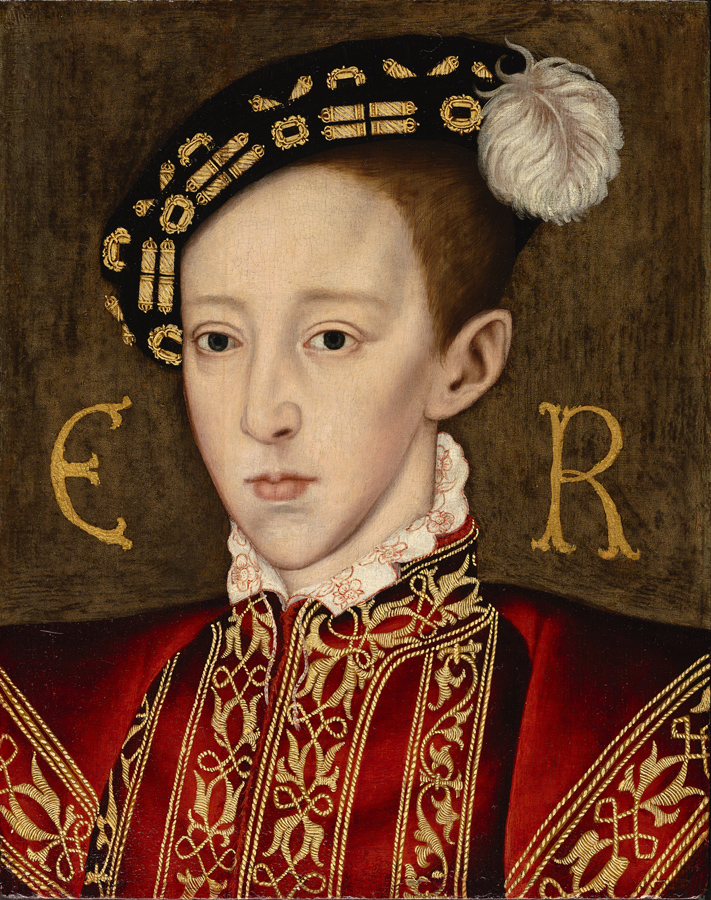
The English succession crisis stands among the most noted episodes of 1553. The young King Edward VI died that year, and a power struggle followed in which Lady Jane Grey was proclaimed monarch for a brief period before Mary Tudor secured the throne. That episode illustrated the intensity of factional politics in Tudor England and marked the restoration of a Catholic monarch after years of Protestant reforms.
Religion and conflict
Religious tensions across Europe continued to produce dramatic encounters. Protestant and Catholic authorities clashed not only in policy but in violent and judicial ways. The execution of the Spanish physician and theologian Michael Servetus in Geneva is one of the better-known incidents from 1553; his trial and death highlighted deep divisions about doctrine and the limits of tolerated dissent within emerging Protestant territories.
Exploration, commerce and diplomacy
England and other maritime powers were extending commercial reach beyond Western Europe. In 1553 English navigation and trade efforts made notable advances toward northern Russia, opening contacts that would later develop into organized trade arrangements with Muscovy. These contacts reflected growing interest in new markets and alternative trade routes as competition for goods and influence intensified.
Notable deaths and consequences
- Edward VI of England — the young Tudor king whose death triggered the English succession crisis.
- Michael Servetus — condemned in Geneva for heterodox theological views; his execution reverberated across Europe.
- Maurice, Elector of Saxony — a leading German prince who died in military conflict during the same period, affecting regional alliances.
- John Dudley, Duke of Northumberland — a central English statesman whose fortunes fell with the succession dispute.
Overall, 1553 stands as a year when dynastic contests, confessional conflict, and expanding international commerce intersected. The immediate outcomes — regime change in England, heightened confessional enforcement in parts of Europe, and new trading contacts — fed into larger mid-century transformations that shaped the political and religious map of early modern Europe.
Related articles
Author
AlegsaOnline.com 1553 Leandro Alegsa
URL: https://en.alegsaonline.com/art/111479