
1541
Year marked by transatlantic exploration (De Soto, Coronado, Valdivia), Ottoman consolidation in Hungary, and key Reformation developments such as John Calvin's return to Geneva.
1541 was a year in which exploration, imperial rivalry and religious reform intersected across several continents. Voyages from Spanish America penetrated deeper into the North and South American interiors, Ottoman forces consolidated control in Central Europe, and Protestant leaders continued to institutionalize new forms of civic and ecclesiastical organization.
Image gallery
5 Images


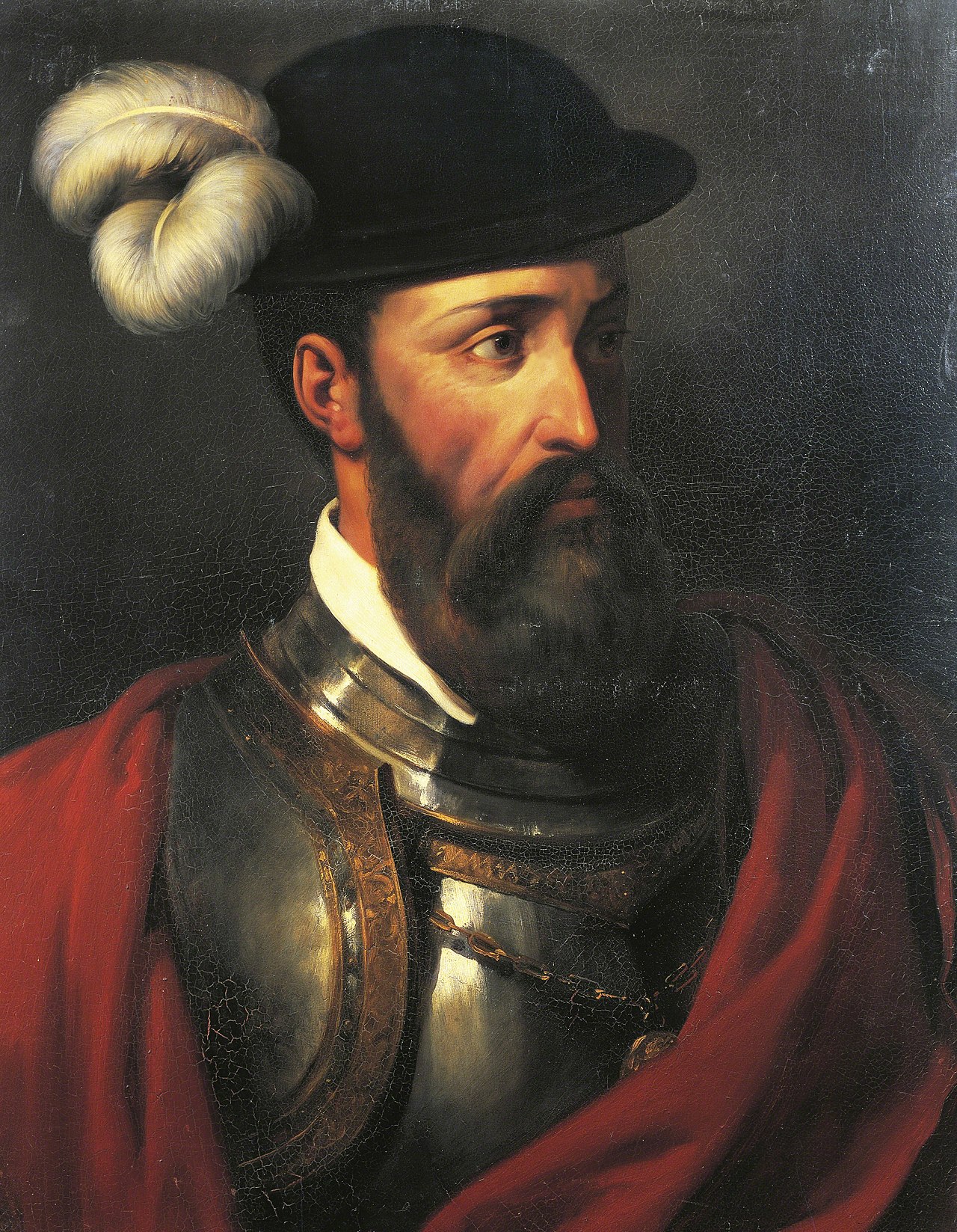

Exploration and the Americas
- Hernando de Soto's expedition: De Soto and his men traveled through the southeastern North American interior and are widely credited with being the first Europeans to encounter the Mississippi River, a major geographic moment in the region's European contact history.
- Francisco Vázquez de Coronado: Coronado's overland expedition from New Spain pressed into the present-day American Southwest and the Great Plains in search of wealthy cities; his party explored extensive new terrain and encountered numerous indigenous societies.
- Pedro de Valdivia and Chile: Spanish colonization advanced along the Pacific coast of South America, and Pedro de Valdivia established a permanent Spanish settlement at Santiago, which became the basis for later colonial administration in that region.
Europe and the Ottoman frontier
In Central Europe Sultan Suleiman I's campaigns extended Ottoman influence over parts of Hungary, including the occupation of key towns on the Hungarian plain. The military and political changes of 1541 intensified a long-term partition of Hungarian lands among the Habsburgs, the Ottomans and semi-autonomous Transylvanian authorities, reshaping frontier diplomacy and warfare for decades.
Religion and politics
The Reformation continued to transform communities and governance. John Calvin returned to Geneva in 1541 and helped establish ecclesiastical ordinances and practices that made the city an influential model for Reformed churches elsewhere. Efforts at theological negotiation also took place on the Continent: imperial diets and colloquies attempted, with limited success, to reconcile Protestant and Catholic positions amid growing confessional division.
Wider consequences
The events of 1541 did not all revolve around a single decisive battle or discovery but together illustrate patterns of the mid-16th century: European expansion into new lands, competition among great powers for territory and influence, and the institutional consolidation of religious movements. These developments set the stage for later colonial societies in the Americas, enduring Ottoman-Habsburg rivalry in Central Europe, and the spread of Reformed institutions across northern and western Europe.
Understanding 1541 requires seeing these strands—exploration, conquest, diplomacy and religious reform—as parts of interconnected processes that reshaped political boundaries, cultural encounters and civic life in the early modern world.
Related articles
Author
AlegsaOnline.com 1541 Leandro Alegsa
URL: https://en.alegsaonline.com/art/111466