
1520
1520 CE: a pivotal year in the early modern era marked by Martin Luther's major tracts, the Field of the Cloth of Gold, Magellan's passage to the Pacific, La Noche Triste in Mexico, and Suleiman's accession.
1520 was a consequential year in the transition from medieval to early modern societies. It brought intensified religious confrontation in northern Europe, spectacular diplomatic display among western monarchs, decisive moments in overseas navigation and conquest, and important successions that reshaped imperial policy. Several developments that year had long-term cultural, political and religious effects across Eurasia and the Americas.
Image gallery
5 Images

Religious and political ferment in Europe
Martin Luther published several influential works in 1520 that moved his dispute with Rome beyond academic theology into public controversy. Tracts such as To the Christian Nobility of the German Nation, The Babylonian Captivity of the Church and On the Freedom of a Christian challenged papal authority and church practice; later in the year he publicly rejected a papal summons and symbolically burned the papal bull condemning his teachings. These acts widened reformist energies across the Holy Roman Empire and beyond.
Diplomacy and courts
European monarchs used ceremony and negotiation to assert prestige and form temporary alignments. The Field of the Cloth of Gold, a lavish meeting between Henry VIII of England and Francis I of France in June, is remembered for its extravagance and the display of royal power amid the rivalry of dynasties. Meanwhile, the Habsburg emperor Charles V consolidated his authority across extensive European realms.
Exploration, navigation and conquest
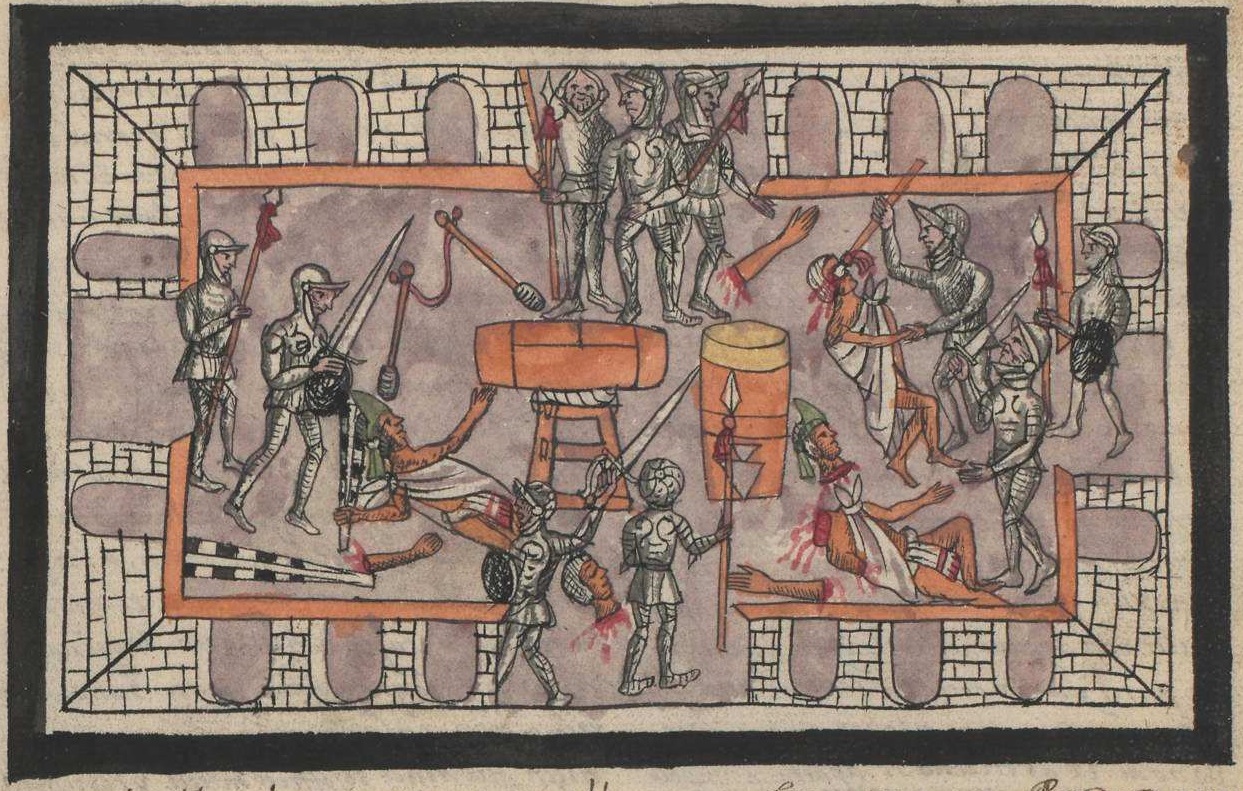
Global navigation expanded in 1520: the expedition led by Ferdinand Magellan located and negotiated a passage at the southern tip of South America late in the year, linking the Atlantic and Pacific and opening a westward ocean route to Asia. In Mesoamerica the Spanish campaign under Hernán Cortés saw a dramatic setback at La Noche Triste (June 30), when retreating forces and their allies suffered heavy losses while leaving Tenochtitlan; this defeat preceded the later reconquest and collapse of the Aztec imperial center the following year.
Dynastic succession and culture
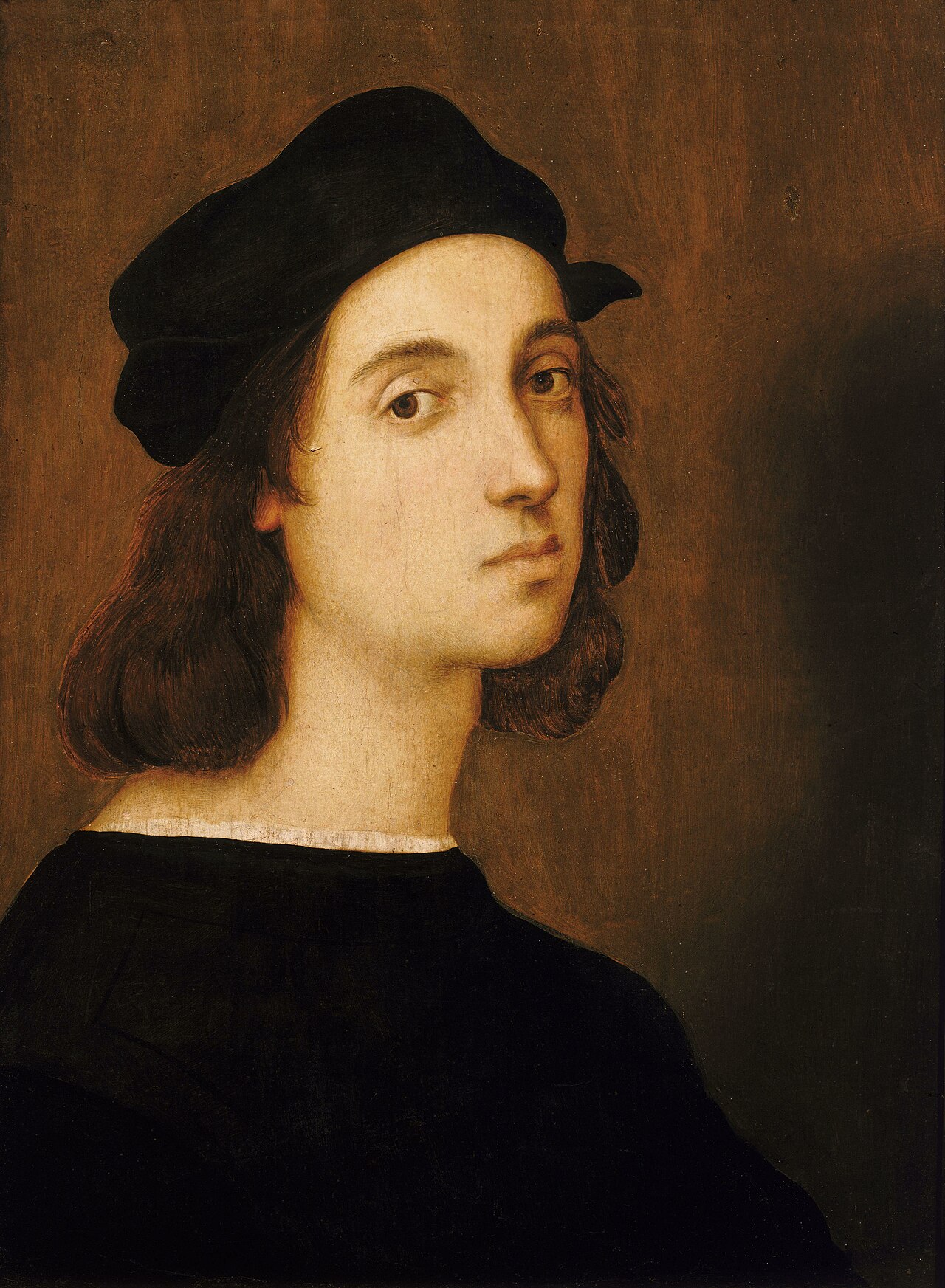
In the Ottoman Empire Suleiman succeeded to the throne in 1520, beginning a reign that would exert major influence in southeastern Europe, the eastern Mediterranean and the Near East. In the arts the High Renaissance marked a notable loss when the Italian painter and architect Raphael died in 1520, leaving a legacy of painting, architectural designs and workshop influence that shaped later artists.
Significance and selected events
As a single year, 1520 illustrates overlapping transformations: doctrinal rupture within Western Christianity, intensified maritime exploration, violent encounters of conquest in the Americas, and leadership changes that redirected imperial policy. These threads contributed to the political, cultural and religious realignments of the sixteenth century.
- June 7–24: Field of the Cloth of Gold — meeting between Henry VIII and Francis I.
- June 30: La Noche Triste — Spanish forces retreat from Tenochtitlan with heavy losses.
- Late 1520: Magellan's fleet locates and passes the strait between the Atlantic and Pacific.
- 1520: Martin Luther issues major tracts challenging papal authority and symbolically defies Rome.
- 1520: Suleiman becomes Ottoman sultan, initiating a long and consequential reign.
Related articles
Author
AlegsaOnline.com 1520 Leandro Alegsa
URL: https://en.alegsaonline.com/art/111444