
1521 — Year of Reformation, Conquest and Global Encounter
In 1521 key turning points occurred: Martin Luther at the Diet of Worms, Cortés’s capture of Tenochtitlan, and Magellan’s Pacific voyage and death—events that reshaped religion, empire and global contact.
Overview
The year 1521 brought a cluster of events that accelerated religious change in Europe, expanded Iberian colonial rule in the Americas, and extended long-distance maritime contact across the Pacific. These developments did not occur in isolation: dynastic politics, advances in navigation and printing, and local alliances combined to produce rapid, often violent transformations that shaped the early modern world.
Image gallery
10 Images





Major events
- Diet of Worms (April 1521): Martin Luther appeared before Emperor Charles V and imperial deputies and refused to recant core teachings. The subsequent Edict of Worms declared him an outlaw and banned his writings, but his ideas continued to spread, aided by print and local rulers who protected reformers.
- Fall of Tenochtitlan (August 1521): Hernán Cortés, with substantial indigenous allies such as the Tlaxcalans, captured the Aztec capital after a prolonged siege. The collapse of the Aztec political order was influenced by military conflict, alliances, and epidemic disease, and it opened the way for Spanish colonial administration in central Mexico.
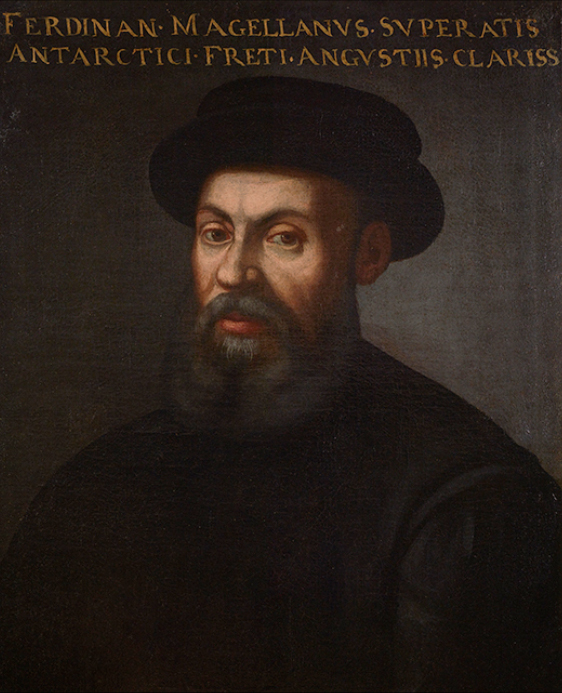
- Magellan’s Pacific crossing (1521): Ferdinand Magellan’s expedition reached the Philippine archipelago and Magellan was killed in the Battle of Mactan in April. Although he did not survive, his voyage demonstrated the possibility of westward oceanic passage to Asia; the expedition would complete the first circumnavigation the following year under surviving officers.
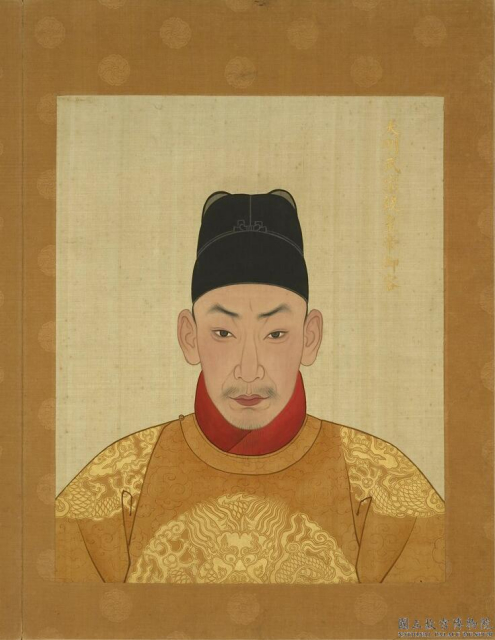
- Other political shifts: In Spain the Revolt of the Comuneros was suppressed in 1521, reinforcing royal authority under Charles V. In Ming China, the death of the Zhengde Emperor led to dynastic succession and changes at court that affected governance.
Significance and legacy
1521 is often seen as an inflection point: religious dissent hardened into political confessional divisions in Europe, while Iberian expansion reshaped the demographics, economies and ecosystems of the Americas. The year’s sea voyages began sustained transoceanic connections that would link markets, peoples and empires on a global scale. The combined effects—state consolidation, missionary activity, new trade routes and demographic upheaval—helped define the contours of the early modern period.
Questions and answers
Q: What event happened in 1521?
A: The text does not provide enough information to answer this question.
Q: Is there any context provided for the year 1521?
A: No, the text only presents the year itself.
Q: Does this text refer to a specific country or region?
A: No, it does not provide any indication of a specific country or region.
Q: Could this text be related to a historical event or figure?
A: It is possible, but without additional information it is difficult to say for certain.
Q: Is there any significance to the year 1521 in regards to a particular historical period or movement?
A: Again, the text does not provide enough information to answer this question.
Q: Is the text meant to be interpreted in a particular way?
A: Without any additional context, it is unclear whether the text is meant to be interpreted in a certain way.
Q: What is the purpose of this text?
A: Without any additional information, it is difficult to determine the purpose of the text. It may be part of a larger document, or it could simply be a standalone reference to the year 1521.
Related articles
Author
AlegsaOnline.com 1521 — Year of Reformation, Conquest and Global Encounter Leandro Alegsa
URL: https://en.alegsaonline.com/art/111446