
1511 (Year) — events, context and significance
1511 was a pivotal year in the early 16th century marked by exploration, shifting European alliances, and important cultural works of the Renaissance. Key events include the capture of Malacca and the conquest of Cuba.
1511 is a year in the 16th century CE (Roman numerals: MDXI) and belongs to the late Renaissance and the Age of Discovery. In Europe the Julian calendar remained in wide use. The year is notable both for geopolitical shifts among European powers and for events that shaped maritime trade and colonial expansion in Asia and the Americas.
Image gallery
8 Images


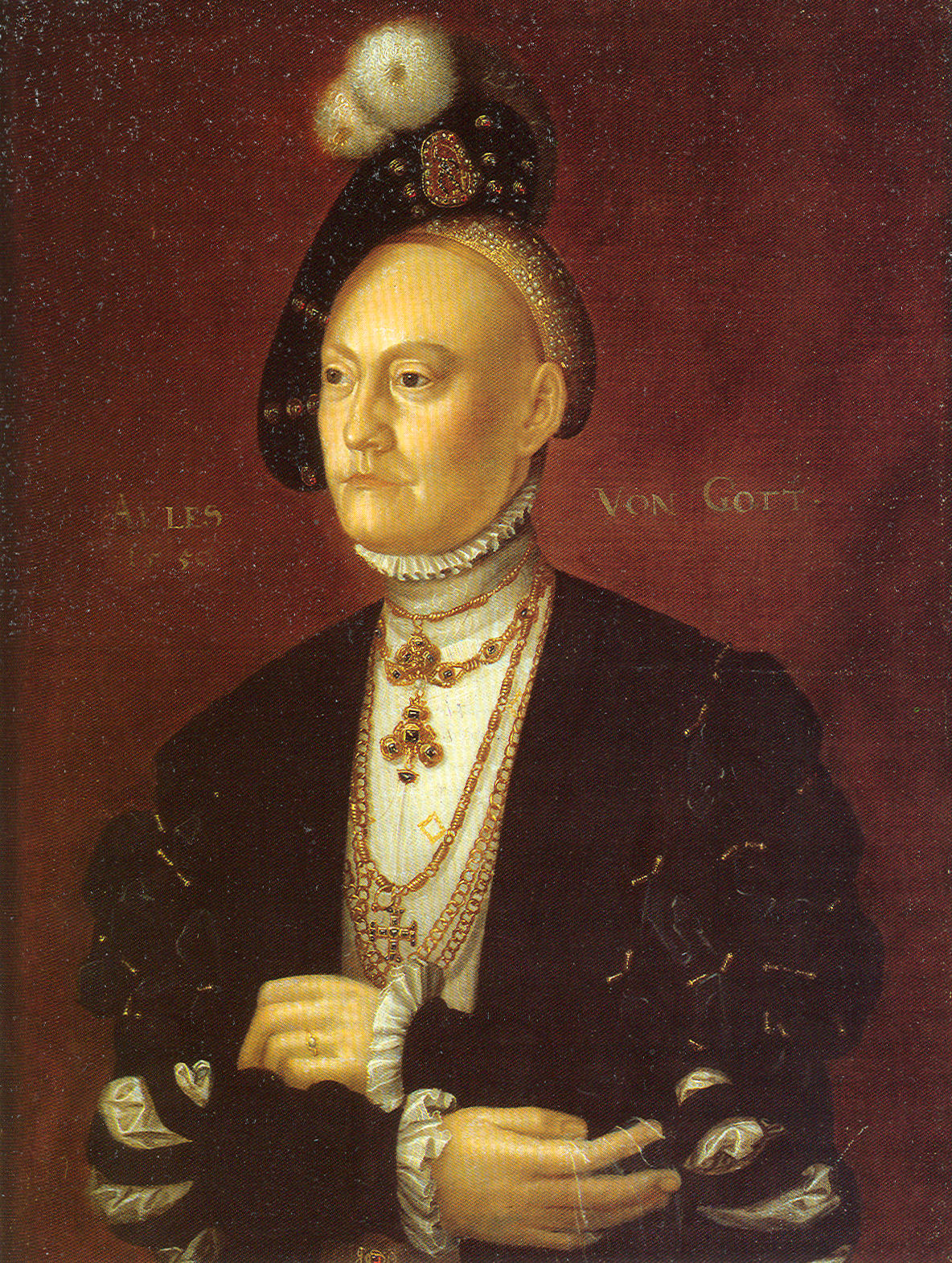


Major events and developments
- Portuguese capture of Malacca: In 1511 Portuguese forces under Afonso de Albuquerque seized the strategic port of Malacca on the Malay Peninsula. Control of Malacca gave Portugal enhanced influence over the vital trade routes through the Strait of Malacca and helped establish a European foothold in Southeast Asian spice commerce.
- Spanish expansion in the Caribbean: Spanish expeditions led by Diego Velázquez de Cuéllar consolidated control in parts of the Caribbean, beginning organized colonial settlement on the island of Cuba and founding early towns that served as bases for further exploration.
- Italian politics and alliances: Pope Julius II pursued shifting coalitions among European courts to check French influence in Italy; a papal-led alliance formed in the early 1510s is often called the Holy League in contemporary histories.
Culture and the arts
The early 1510s were a high point of the Italian Renaissance. Artists and architects in Rome and Florence completed major projects that expressed new ideals of humanism, perspective, and classical reference. Notable works from around this time reflect the movement of artistic talent and patronage toward papal and princely courts.
Science, commerce and society
1511 fell in an era of expanding global connections. Printing technology had already spread across Europe, accelerating the circulation of ideas, while maritime technologies and navigational knowledge enabled longer voyages. The capture of strategic ports and the establishment of colonial settlements had immediate commercial impact and long-term social consequences for indigenous societies encountered by European powers.
Numeric and calendar notes
As an integer, 1511 is a four-digit number sometimes discussed independently of the year. It is written MDXI in Roman numerals. Historically the year is treated as part of the early modern transition from medieval structures to wider global entanglement.
Legacy and significance
Events of 1511 illustrate two major currents of the early 16th century: the intensification of European competition for overseas trade and territory, and the cultural vitality of the Renaissance in Europe. Control of key maritime gateways such as Malacca foreshadowed the soon-growing global reach of European empires, while developments in art, diplomacy, and technology continued to reshape political and intellectual life across continents.
Related articles
Author
AlegsaOnline.com 1511 (Year) — events, context and significance Leandro Alegsa
URL: https://en.alegsaonline.com/art/111435