
1503 (year)
1503 was a year of military conflict in Italy, important papal changes in Rome, and notable developments in Renaissance art and Atlantic exploration, reflecting broader forces of the Age of Discovery and the Italian Wars.
Overview
1503 falls in the early 16th century, a period shaped by the Italian Wars, the Renaissance, and the Age of Discovery. Politically it was marked by shifting alliances and battles on the Italian peninsula, while culturally the Italian Renaissance continued to produce influential works of painting and sculpture. Maritime exploration and colonial activity in the Atlantic and Caribbean were also ongoing, with expeditions, settlements and occasional mishap.
Image gallery
9 Images






Political and military events
The Italian peninsula remained the main stage for armed confrontation between France, Spain and regional powers. Key military engagements of this period exemplify the changing nature of warfare, including greater use of firearms and infantry tactics against traditional cavalry. The outcomes of these confrontations affected control of southern Italy and northern territories and contributed to longer diplomatic settlements that followed in subsequent decades.
Religion and the papacy
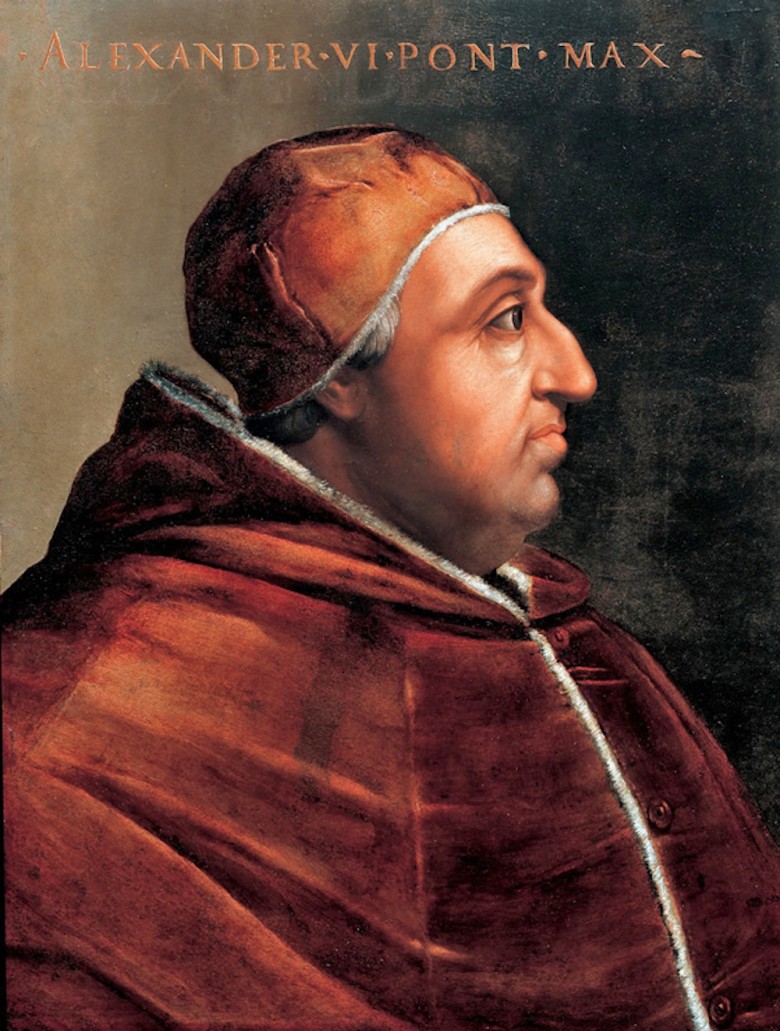
Rome experienced notable upheaval in its leadership of the Catholic Church. The death of a reigning pope led to a brief succession and then the election of a new pontiff before the year closed. These rapid changes in papal government had immediate effects on Italian politics because popes were major territorial rulers and patrons of art and architecture.
Art and culture
The cultural life of Italy continued to thrive. Prominent artists of the High Renaissance were active: around this time Leonardo da Vinci began work on one of his most famous portraits, while sculptors and painters in Florence and Rome were producing works that would influence European art for generations. Artistic patronage by courts, religious institutions, and wealthy families remained central to artistic production.
Exploration and overseas activity
In the Atlantic world Spanish and Portuguese expansion continued. Voyages to the Caribbean and Central America advanced colonization, trade and mapping, but also involved hardship; for example, a well-known explorer was stranded on a Caribbean island during his final voyage, illustrating the risks of transoceanic navigation at the time. These expeditions intensified contact between Europe and the Americas and set the stage for later colonial systems.
Notable facts and legacy
- The year sits within broader conflicts known collectively as the Italian Wars, which reshaped European diplomacy and military practice.
- Renaissance artistic achievements begun or advanced around this time had a lasting cultural impact across Europe.
- Atlantic voyages of the early 1500s consolidated patterns of exploration, trade and colonization that defined subsequent centuries.
Taken together, events of 1503 illustrate a world in transition: shifting political boundaries in Europe, a flourishing of artistic innovation in Italy, and the accelerating global encounters of the Age of Discovery.
Related articles
Author
AlegsaOnline.com 1503 (year) Leandro Alegsa
URL: https://en.alegsaonline.com/art/111427