
1498
A pivotal year near the end of the 15th century marked by major voyages of exploration, important events of the Italian Renaissance, religious upheaval in Florence, and beginnings of global commercial contact.
Overview
1498 was a year at the close of the 15th century when European exploration, artistic achievement and political turmoil intersected. Mariners pushed routes to new oceans, artists produced some of the era's lasting masterpieces, and turbulent religious politics in Italy led to dramatic consequences.
Image gallery
3 Images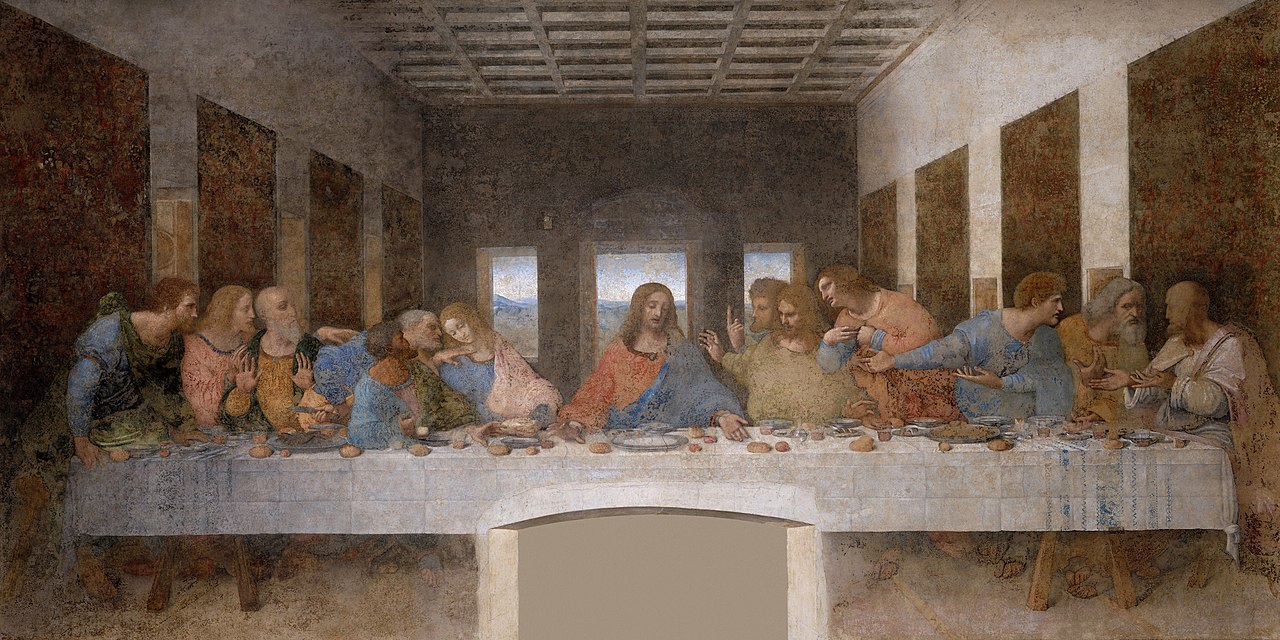

Exploration and global contact
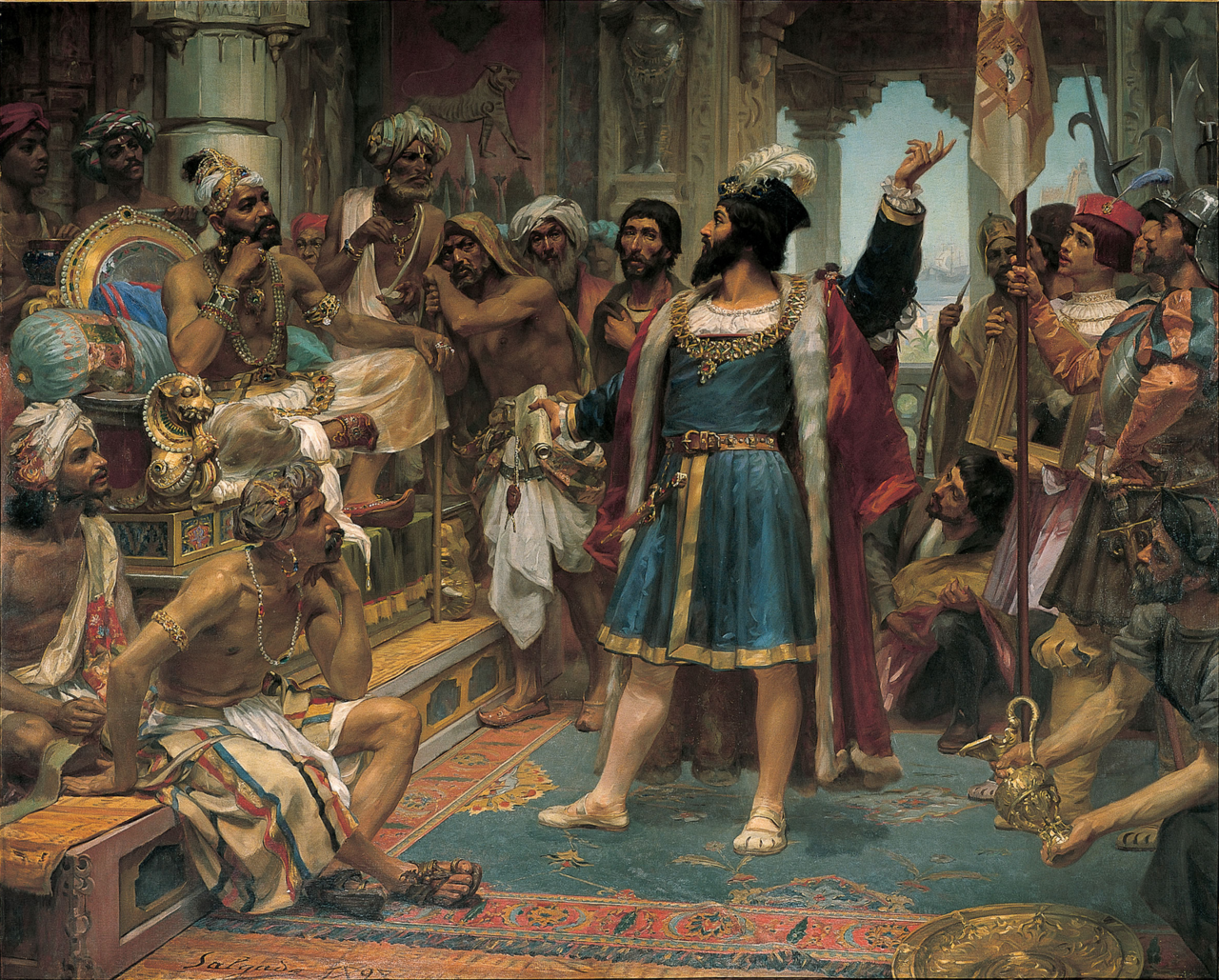
The Age of Discovery advanced significantly in 1498. Portuguese expeditions under Vasco da Gama reached the Indian subcontinent, making direct sea contact between Europe and the Malabar coast and opening a new route for trade across the Indian Ocean. In the same year Christopher Columbus, on his third voyage, reached the island of Trinidad and sighted the South American mainland near the Orinoco River, demonstrating that there were continental lands previously unknown to Europeans.
Art and culture
The Italian Renaissance remained vibrant. Around 1495–1498 Leonardo da Vinci completed The Last Supper, a mural that became famed for its composition and psychological depth. Around 1498–1499 Michelangelo was active in Rome and undertook important sculptural work that would secure his reputation among contemporaries. Printed books and humanist learning continued to spread across Europe, reinforcing cultural exchange.
Religion, politics and society
Florence experienced a dramatic episode of religious and civic conflict in 1498 when the Dominican friar Girolamo Savonarola, whose fiery preaching had reshaped Florentine politics, was tried and executed. His fall illustrated the volatile mix of reformist zeal, political rivalry and popular mobilization in Renaissance city-states.
Notable events and consequences
- Opening of a sea route from Europe to India, which transformed long-distance trade and strategic competition.
- Columbus's contact with the South American mainland, later recognized as a major expansion of European geographic knowledge.
- High-profile cultural productions that exemplified Renaissance artistic advances.
Legacy
Although one year among many, 1498 is often remembered for accelerating contacts that reshaped global commerce and encounters between peoples. The voyages of that year helped launch the maritime empires and colonial systems of the 16th century, while events in Italy reflected both the heights and the tensions of Renaissance society.
Related articles
Author
AlegsaOnline.com 1498 Leandro Alegsa
URL: https://en.alegsaonline.com/art/111418