
1507 — events, context, and significance
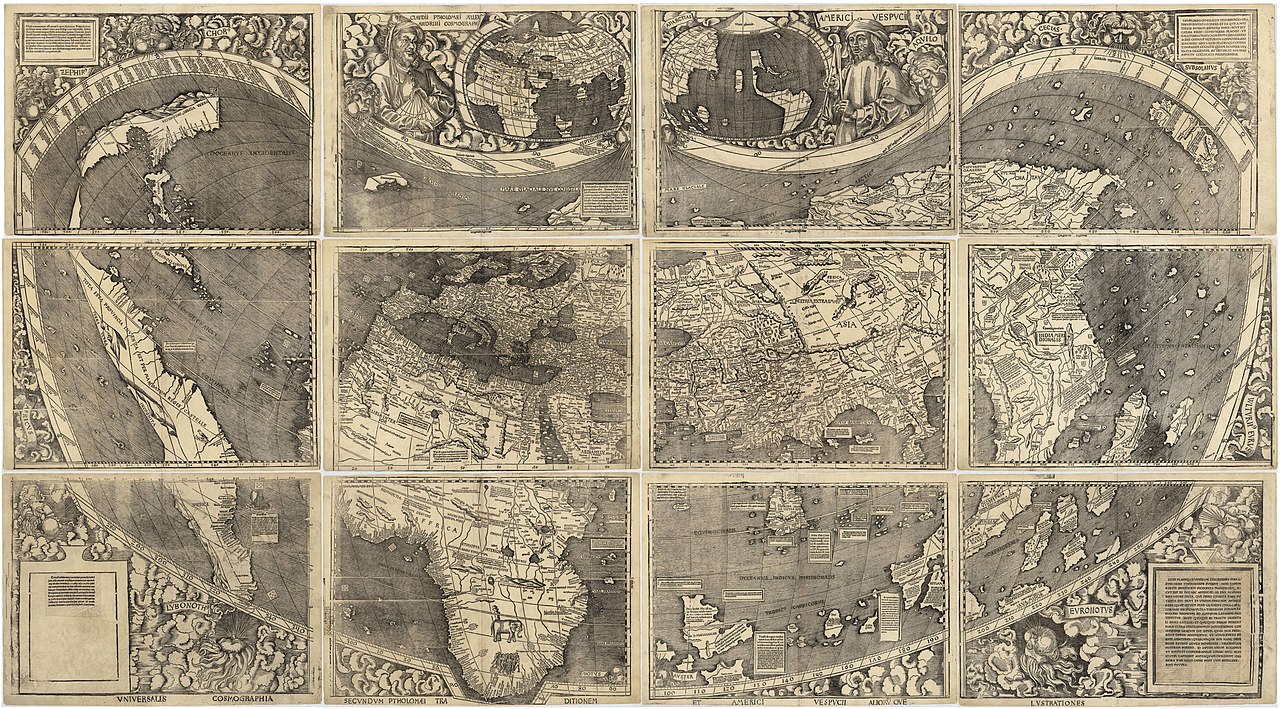
Overview of the year 1507: calendar classification, key events such as the Waldseemüller map naming 'America', Martin Luther's ordination, and the broader Age of Discovery and Renaissance context.
1507 (MDVII) was a year framed by the late Renaissance and the Age of Discovery. In contemporary records it is reckoned as a common year beginning on Friday in the Julian calendar; modern descriptions of its place in chronology often note that the Julian system was still in use across much of Europe at that time. Political power was concentrated in monarchies and city-states, while overseas exploration continued to reshape European awareness of the globe.
Image gallery
7 Images


Notable developments
Several developments from 1507 had lasting cultural and intellectual impact. Among them is the publication of a world map and accompanying text that popularized the name "America" for the lands of the Western Hemisphere. This cartographic work reflected the growing influence of printed maps and books in spreading new geographic ideas across Europe. In the German lands, a young Augustinian friar completed the studies that led to his priestly ordination, an event that would later be noted in accounts of the Reformation.
Selected events
- Cartography: A widely circulated map and its explanatory booklet proposed the name "America" in honor of the explorer Amerigo Vespucci, marking one of the first uses of that continental name in print. See the contemporary map record here.
- Religious life: A key figure of the future Protestant Reformation was ordained to the priesthood in 1507; this ordination is often cited in biographical timelines of the reformers. Further background on religious life of the period is available here.
- International context: European states continued maritime expansion and trade in the Indian Ocean and the Atlantic. The papacy under Julius II remained a major patron of the arts and an active political actor.
Culture, science, and significance
The year sits within a period of rapid diffusion of print technology, which amplified the impact of maps, treatises, and polemical writings. Artists and architects received papal and princely commissions that would shape the high Renaissance in the years immediately following. The naming of "America" in published cartographic material is frequently singled out by historians as an example of how printed media could fix new terminology and concepts in common use.
For calendar and chronological reference, contemporary 1507 dates follow the Julian calendar rather than the later Gregorian reform; comparative calendars and chronologies can be consulted here. Overall, 1507 is remembered less for a single transformative battle or treaty than for contributions to mapping, print culture, and the ongoing currents of exploration and religious change that characterized the early 16th century.
Related articles
Author
AlegsaOnline.com 1507 — events, context, and significance Leandro Alegsa
URL: https://en.alegsaonline.com/art/111431