
Zinc sulfate
Zinc sulfate (ZnSO4) is a water‑soluble inorganic salt used in agriculture, medicine and industry; commonly encountered as the heptahydrate crystalline form.
Zinc sulfate is an inorganic salt whose most common chemical formula is ZnSO4. It typically occurs as a colorless to white crystalline solid and is often encountered as a hydrated form, most frequently the heptahydrate (ZnSO4·7H2O). For basic chemical data and identifiers see zinc sulfate entries in chemical references.
Image gallery
2 Images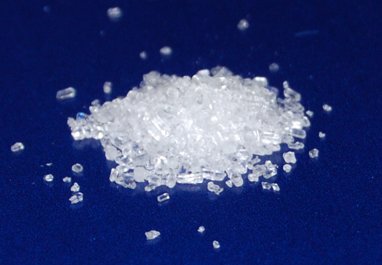

Chemical characteristics
In aqueous solution zinc sulfate dissociates into Zn2+ cations and sulfate (SO4)2− anions. The zinc ion is the source of the micronutrient zinc in many of its applications. Several hydrates exist and the salt is readily soluble in water while being poorly soluble in organic solvents. Commercial material is commonly produced by treating elemental zinc or zinc oxides with sulfuric acid, which yields the sulfate salt and water.
Uses and examples
- Agriculture: applied as a micronutrient fertilizer or soil amendment where zinc deficiency limits crop growth.
- Health and nutrition: used to correct dietary zinc deficiency and as an ingredient in some topical preparations; it is also used in oral rehydration therapy protocols in specific clinical guidelines.
- Industry and laboratory: employed in electroplating, as a mordant in dyeing, in the manufacture of rayon, and as a reagent in chemical synthesis and analysis.
Because zinc ions are biologically active, formulations are tailored to dosage and route of administration. The sulfate anion is a common counterion for many metal salts and appears in many commercial zinc products; see typical sulfate properties at sulfate reference.
Handling, hazards and environmental notes
Zinc sulfate is generally handled as an irritant: it can cause skin, eye, and respiratory irritation on contact with dust or solutions. Ingestion of large amounts can be harmful. Environmental precautions are important because zinc salts can be toxic to aquatic organisms at elevated concentrations; disposal and spill response follow local regulations. Standard personal protective equipment and good industrial hygiene practices are recommended during handling.
Distinctions and notable facts: zinc sulfate differs from other zinc salts (for example zinc chloride or zinc oxide) in solubility, acidity of solutions, and specific industrial uses. The heptahydrate crystallizes readily from aqueous solutions and is the form most often supplied for agricultural and laboratory use. For detailed specifications, safety sheets and formulations consult technical datasheets from suppliers or authoritative chemical databases.
Related articles
Author
AlegsaOnline.com Zinc sulfate Leandro Alegsa
URL: https://en.alegsaonline.com/art/110631