
Zulu people: history, language, culture and contemporary life
Overview of the Zulu people — their language, social structure, historic kingdom, cultural traditions and contemporary presence in southern Africa.
Overview
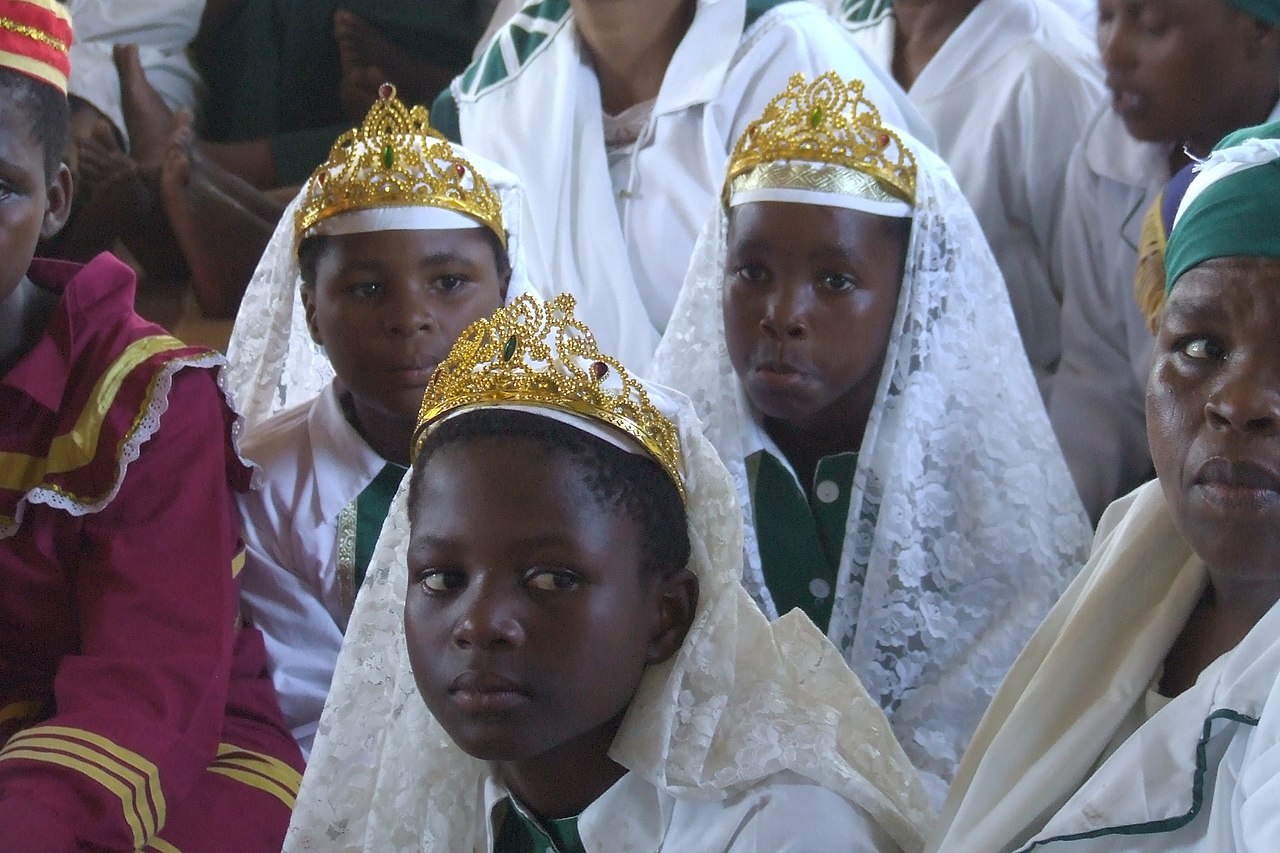
The Zulu are widely recognised as the largest single ethnic group in South Africa and one of the most influential peoples in southern Africa. Their population is concentrated in the province of KwaZulu-Natal, with communities also found across neighbouring countries. The name "Zulu" means "people of the heavens" in their language and is commonly used in English and isiZulu.
Image gallery
10 Images


Language and classification
The Zulu language, called isiZulu, belongs to the Bantu family of languages and specifically to the Nguni subgroup. IsiZulu is tonal, rich in click and consonant contrasts, and is one of South Africa's most widely spoken indigenous tongues. It functions as a first language for millions and as a lingua franca in many urban areas.
Culture, social life and arts
Zulu social life historically centres on extended families and clan groupings. Cultural expression is vivid: traditional dress and beadwork carry symbolic meanings, while dance, drumming and izibongo (praise poetry) mark public ceremonies. Initiation rites, marriage customs and cattle ownership retain social importance alongside modern lifestyles.
History and political development
During the 19th century the Zulu Kingdom rose to prominence under leaders who unified disparate groups into a centralized polity. That kingdom and later conflicts with colonial powers shaped the region’s 19th-century history, including engagements with British forces. In the 20th century, Zulu people experienced segregation and hardship under Apartheid, including policies and practices that produced official discrimination and the creation of separate homelands.
Distribution and contemporary life
Today most Zulu people live in South Africa, but smaller Zulu-speaking communities exist in neighbouring countries such as Zimbabwe, Zambia and Mozambique. Estimates place their numbers at roughly ten to eleven million in South Africa, though figures vary by source. Since the end of apartheid, Zulu citizens enjoy constitutionally guaranteed rights and participate across political, economic and cultural life in the country.
Notable facts and distinctions
- The Zulu are a prominent example of a modern people maintaining strong traditional customs alongside urban and global lifestyles.
- IsiZulu remains one of South Africa's most widely used indigenous languages and an important medium for literature, radio and education.
- The history of the Zulu Kingdom continues to influence regional identity and tourism in South Africa and beyond.
For further reading on language, culture and history, consult language surveys and regional histories that cover the Nguni groups and southern African developments in the 19th and 20th centuries. Reliable summaries and primary-source material are available through linguistic and historical collections and educational resources linked to regional studies institutions.
Questions and answers
Q: Who are the largest ethnic group in South Africa?
A: The largest ethnic group in South Africa are the Zulu.
Q: How many Zulu people live in South Africa?
A: There are 10-11 million Zulu people living in South Africa.
Q: In which province of South Africa do most Zulu people live?
A: Most Zulu people live in KwaZulu-Natal province of South Africa.
Q: Where else can you find Zulu people besides South Africa?
A: Besides South Africa, a small number of Zulu people also live in Zimbabwe, Zambia, and Mozambique.
Q: What is the Zulu language called?
A: The Zulu language is called isiZulu.
Q: What was the Zulu Kingdom's importance in South African history?
A: The Zulu Kingdom was very important in South African history during the 1800s and 1900s.
Q: What was the position of the Zulu people during Apartheid?
A: During Apartheid, the Zulu people were third-class citizens and suffered from official discrimination.
Related articles
Author
AlegsaOnline.com Zulu people: history, language, culture and contemporary life Leandro Alegsa
URL: https://en.alegsaonline.com/art/110762
Sources
- joshuaproject.net : "The Zulu people group are reported in 7 countries"
- southafrica.info : "South Africa grows to 44.8 million" · web.archive.org
- africanholocaust.net : "People of Africa: Tuareg"