
Zuni (Ashiwi): People, Language, Arts, and History
The Zuni (Ashiwi) are a Puebloan Native American people of western New Mexico, known for a unique language isolate, enduring ceremonial life, and distinctive arts such as inlaid jewelry and pottery.
The Zuni, also spelled Zuñi and self-identified as Ashiwi, are a Native American tribe whose traditional homeland centers on the Zuni River valley. The Zuni River flows into the Little Colorado River, and their communities are located in western New Mexico within the modern boundaries of the United States. The Zuni maintain a strong sense of identity tied to their villages, landscape, and ceremonial calendar.
Image gallery
10 Images



Location and environment
Zuni settlements are clustered around the river and nearby mesas and valleys. The environment is semi-arid, with agriculture historically focused on dryland farming and irrigation along river courses. Traditional crops include corn, beans and squash, supplemented by hunting, gathering and later livestock. The compact village layout—multistory adobe dwellings built of stone or earth—reflects long continuity with other Pueblo communities.
Language
The Zuni language, often referred to simply as Zuni, is notable within North America because it is a distinct language that is not demonstrably related to surrounding Pueblo or other Native languages; linguists classify it as a language isolate. Many Zuni people today speak Zuni alongside English, and there are local efforts to support intergenerational transmission through schools and cultural programs.
Culture, social life, and beliefs
Zuni social life includes clans, religious societies, and a calendar of public and private ceremonies that mark agricultural cycles, healing, and community obligations. Much of the ceremonial knowledge is traditionally regulated by priesthoods and societies; however, the Zuni continue to perform public dances and rituals that are central to cultural identity. Villages and family groups play a key role in organizing communal responsibilities.
Arts and economy
Zuni artisans are widely recognized for distinctive crafts that remain economically and culturally important. Traditional and contemporary specialties include:
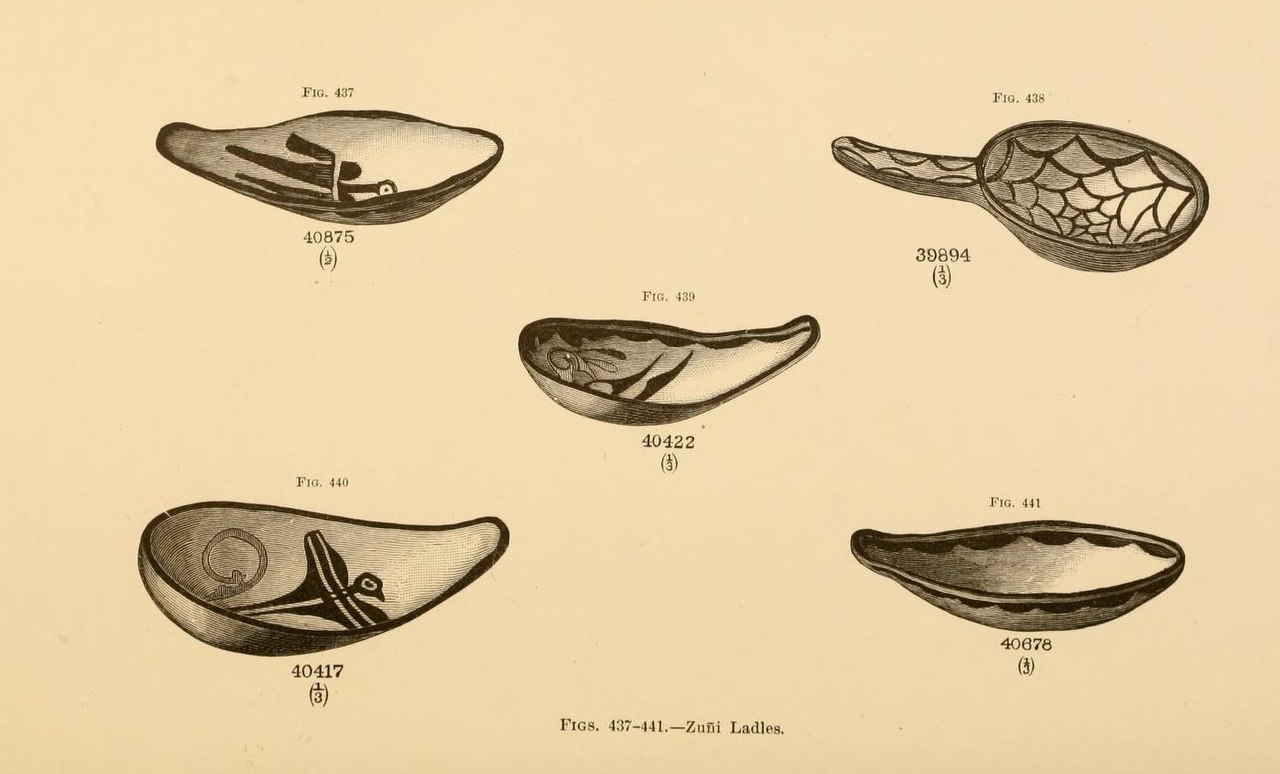
- Pottery with refined shapes and painted designs.
- Silverwork and turquoise inlay, including intricate stone inlay jewelry.
- Fetish carvings and small stone sculptures with religious significance.
- Heishi beads and shellwork used in necklaces and regalia.
These arts are marketed regionally and beyond, and craft production supports local economies while reinforcing cultural continuity.
History and modern life
Archaeological and historical evidence links the Zuni to ancient Puebloan settlements in the region. European contact in the 16th century brought dramatic disruptions; episodes of missionization, colonial pressure and later federal policies tested Zuni autonomy. Despite these pressures, the Zuni preserved many aspects of their ceremonial life and village organization. Today a tribal government, schools, cultural programs and economic enterprises help the Zuni navigate contemporary challenges while maintaining traditions.
For more specific resources about the Zuni people and their language, see general references and local tribal publications via the linked entries above.
Related articles
Author
AlegsaOnline.com Zuni (Ashiwi): People, Language, Arts, and History Leandro Alegsa
URL: https://en.alegsaonline.com/art/110768