
Bethlehem Baptist Church (Minneapolis): history, ministry, and influence
A historical Baptist congregation in Minneapolis founded in 1871, known for its Reformed evangelical identity and long association with pastor John Piper and the Desiring God ministry.
Overview
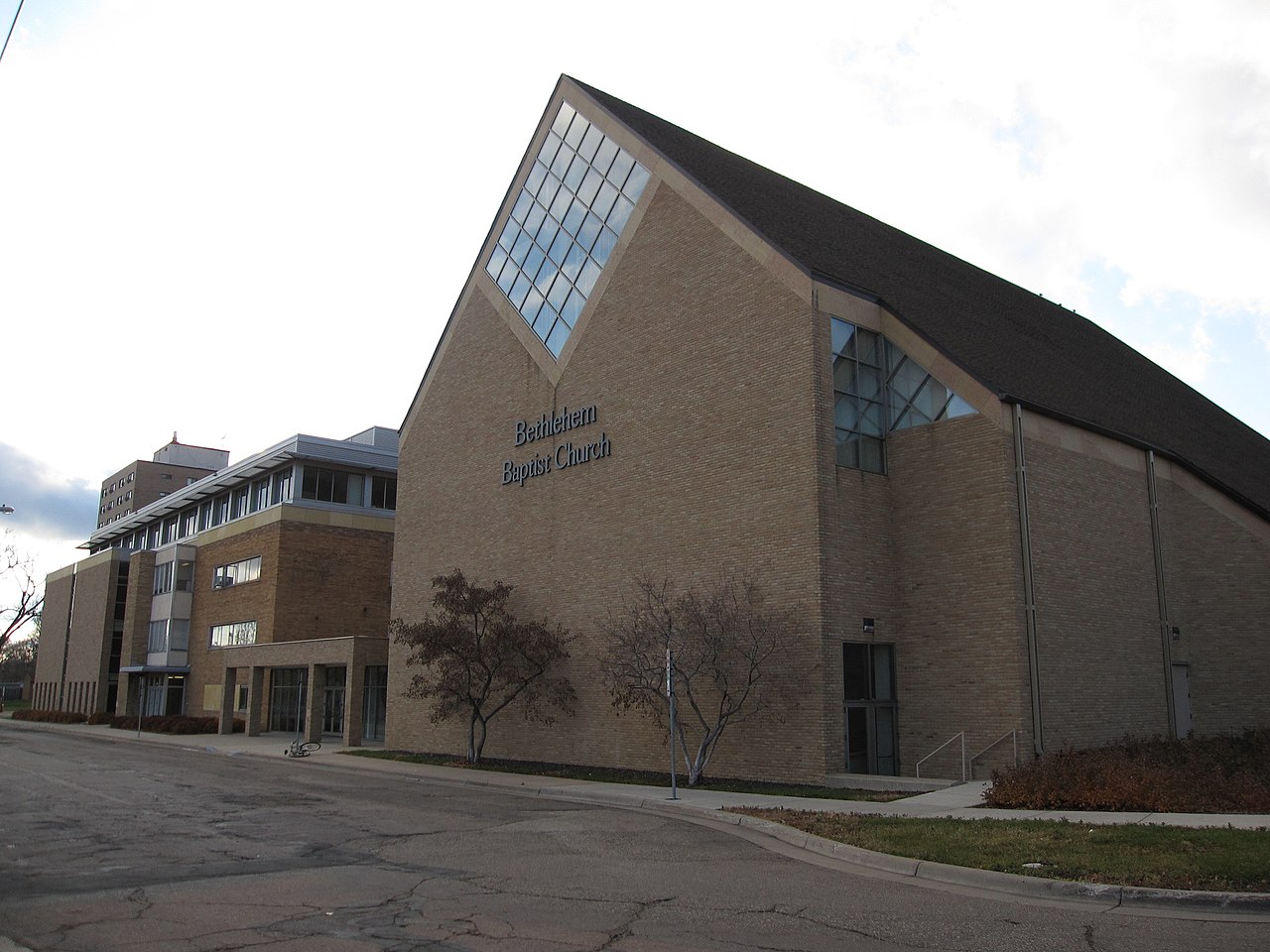
Bethlehem Baptist Church is a historic Baptist congregation in Minneapolis, Minnesota. Founded in 1871 as the First Swedish Baptist Church of Minneapolis, it later adopted the name Bethlehem Baptist Church as its membership and language of worship shifted from a Swedish immigrant community to a broader English-speaking population. Today it is commonly described as a megachurch in how it reaches a wide audience through local services and wider media and publishing connections.
Image gallery
3 Images

History and development
The congregation began among Swedish immigrants in the late 19th century and reflected the common pattern of ethnic churches that gradually assimilated into the wider American evangelical landscape. Over decades the church moved from Swedish-language services to English, expanded programs, and navigated theological and cultural changes that affected many Protestant churches in urban America.
Beliefs, leadership, and practices
Bethlehem Baptist identifies with conservative evangelical and Reformed Baptist convictions, emphasizing expository preaching, the centrality of Scripture, and active involvement in mission and discipleship. The church traces its modern prominence in part to the arrival of its long-serving pastor, since 1980 leader their pastor John Piper, who served as senior pastor for several decades before transitioning to pastor emeritus. Piper’s preaching and writing, and the related Desiring God outreach, brought national and international attention to the congregation.
Ministries and activities
- Regular worship services focused on Biblical exposition and congregational singing.
- Local and international mission efforts and support for church planting.
- Programs for children, youth, adults, and pastoral counseling.
- Discipleship and teaching ministries that also publish and distribute sermons and resources through partner outlets.
Influence and notable facts
While maintaining a local congregation in Minneapolis, Bethlehem Baptist’s influence extends beyond its walls through books, recorded sermons, conferences, and online resources. The church illustrates how a local ethnic congregation can evolve into a congregation with broader theological influence without abandoning its Baptist roots. For more context on the church’s classification and activities see general references on its founding and descriptions of its size and scope as a megachurch. Additional materials and historical notes are available through denominational and archival sources linked with the congregation’s public ministries.
Related articles
Author
AlegsaOnline.com Bethlehem Baptist Church (Minneapolis): history, ministry, and influence Leandro Alegsa
URL: https://en.alegsaonline.com/art/11021