
Bible Belt: region of conservative Protestant influence in the United States
The Bible Belt refers to areas of the United States where conservative evangelical Protestantism shapes culture, politics and social life. The term describes religious demographics, history, and regional influence.
Overview
The Bible Belt is a cultural and religious designation for parts of the United States where conservative, often evangelical, Christian beliefs and institutions play a prominent role in daily life. It is not a precisely bounded territory but a recognizable region characterized by high church attendance, strong denominational networks, and visible religious culture.
Image gallery
3 Images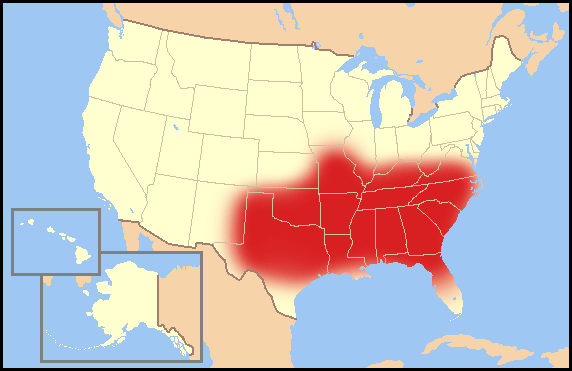


Geography and demography
Most commonly the term refers to the American South and adjacent areas, extending from parts of the Southeast into sections of the Midwest and Plains. Urban, suburban and rural communities within this region differ in intensity of religious practice, but many counties and towns show higher-than-average adherence to Protestantism traditions and conservative social values.
Religious characteristics
Beliefs associated with the Bible Belt tend to emphasize personal faith, literal or high regard for Scripture, evangelism, and congregational life. The region hosts a range of denominations and movements including Southern Baptists, Pentecostals, Methodists of conservative stripes, and non-denominational evangelical churches. Social conservatism on moral and family issues is common, and religious institutions often provide community services and education.
History and development
The label developed in the 20th century as scholars and journalists noted distinctive patterns of worship and politics across certain states. Historical factors include settlement patterns, cultural continuity from earlier Protestant revivals, and the growth of mass evangelical institutions. Rural revivalism, missionary activity, and the rise of evangelical media contributed to the modern shape of the region.
Cultural and political influence
The Bible Belt influences voting behavior, public education debates, social policy discussions, and community life. Churches commonly serve as civic centers; religious leaders and organizations may be influential in local and state politics. At the same time, the region contains internal diversity: cities, minority faith communities, and more liberal pockets coexist with conservative majorities.
Varieties and notable facts
- Common denominations and movements: Southern Baptist, Pentecostal, conservative Methodist and non-denominational evangelicals.
- Institutions: Bible colleges, seminaries, religious media, and parachurch organizations are widespread.
- Terminology: Scholars use the term descriptively rather than as a strict map; it overlaps with cultural, economic, and historical patterns.
- Usage note: The phrase sometimes attracts debate when applied to complex, changing religious landscapes; conservative religious expression in the region takes many forms.
For further reading on demographic patterns and regional history see resources on American religious geography and studies of evangelicalism at institutions and publications that specialize in religious sociology and history. Protestant traditions in the region continue to evolve, shaped by migration, media, and generational change.
Related articles
Author
AlegsaOnline.com Bible Belt: region of conservative Protestant influence in the United States Leandro Alegsa
URL: https://en.alegsaonline.com/art/11233