
Megachurch: Definition, Structure, History, and Social Role
An encyclopedic overview of megachurches: definition (2,000+ weekly attendees), common traits, organization, global spread, social programs, debates, and trends shaping large congregations.
Overview
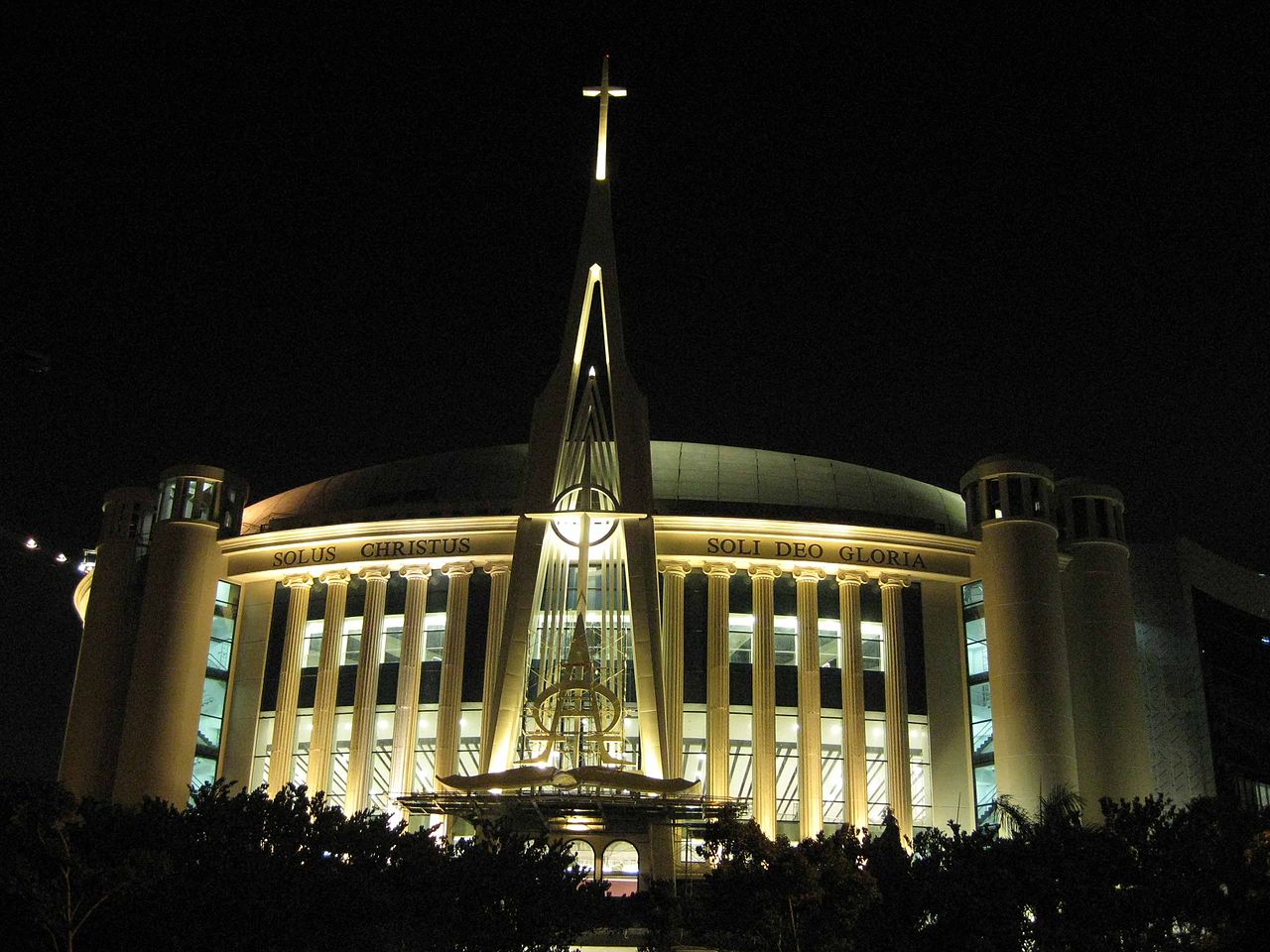
A megachurch is commonly defined as a Christian congregation that attracts roughly 2,000 or more attendees to its regular weekly worship services. The term is descriptive and refers to size and organizational features rather than specific doctrine. Megachurches are most visible within Protestant and evangelical traditions but similar large congregations appear across denominations and around the world.
Image gallery
7 Images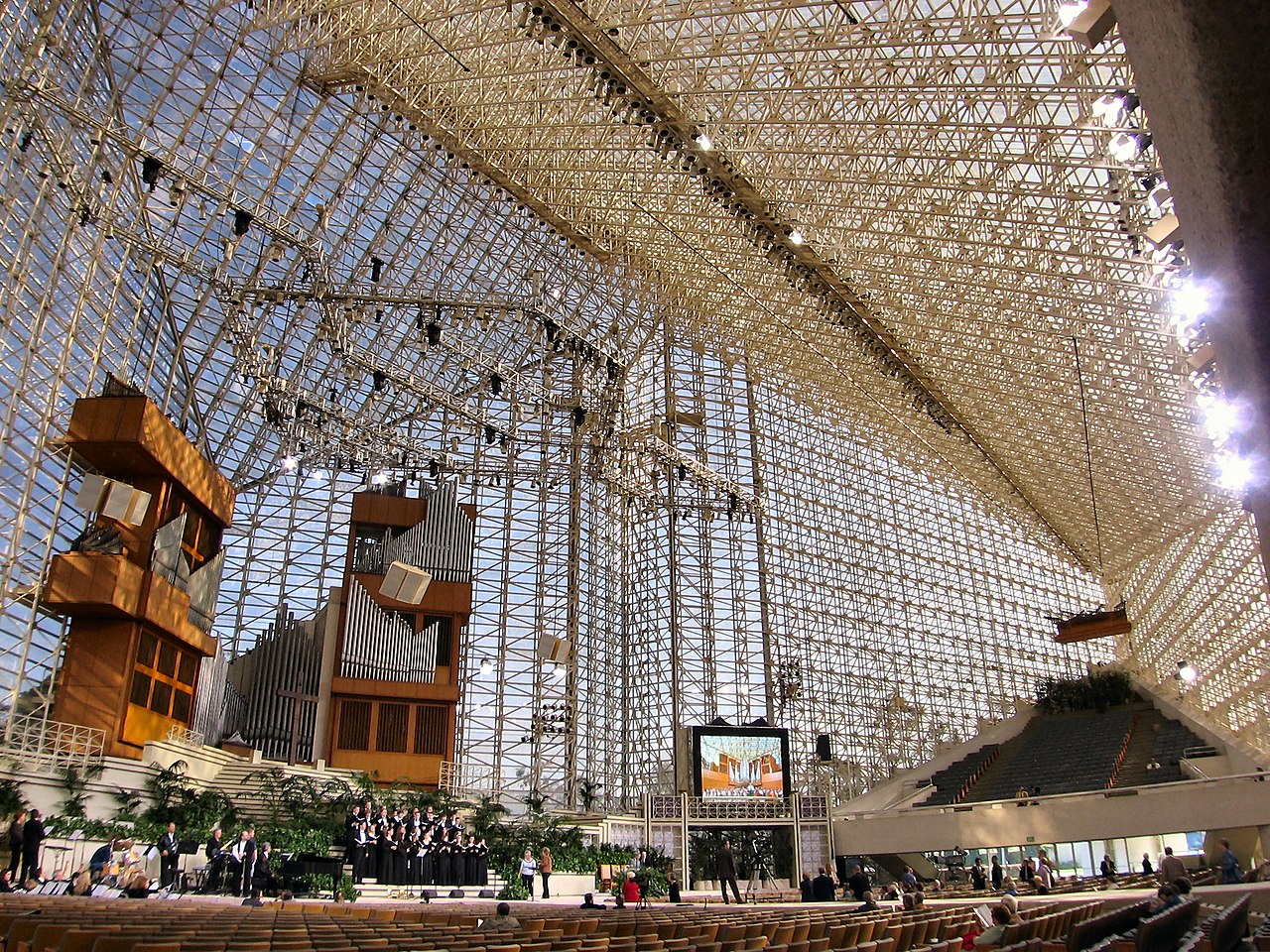




Common characteristics
- Large attendance: Regular weekly attendance typically meets or exceeds the 2,000-person threshold used by researchers and church associations.
- Professional staff and programming: A sizeable paid staff often includes pastors, administrators, worship leaders, youth workers, and communications personnel.
- Facilities and production: Dedicated buildings, multiple services, and high-quality music, sound, and media production are common.
- Varied ministries: Extensive programs for children, teens, adults, outreach, and small-group ministry help serve diverse needs.
- Multi-site models: Many large churches operate satellite campuses or networks to reach wider geographic areas.
Origins and global spread
The modern megachurch phenomenon expanded notably in the late 20th century, particularly in the United States, as congregations adopted contemporary worship styles, marketing techniques, and professional management. Since then the model has been adapted in many regions, including Africa, Asia, Latin America, and Europe, reflecting urban growth, new communication technologies, and changes in religious practice.
Organization and leadership
Administrative structures in megachurches often resemble large nonprofit organizations. Governance can include a senior pastor or lead minister, supporting clergy, boards or elders, and committees overseeing finance, facilities, and ministry areas. Leadership styles vary from collaborative teams to more centralized, charismatic authority focused on a single figure.
Worship and programming
Worship often emphasizes contemporary music, a central preaching element, and accessible messages aimed at newcomers as well as regular attendees. Many megachurches offer multiple service formats, weekday programs, small groups for pastoral care, and a strong online presence for streaming and recorded content.
Community services and social impact
Large congregations can mobilize significant resources for education, counseling, disaster relief, and local charitable work. They may run schools, food banks, counseling centers, and outreach programs that serve wider communities beyond their membership.
Criticisms and debates
Critics raise concerns about financial transparency, the concentration of power in prominent leaders, the potential for consumer-oriented approaches to religion, and the challenge of maintaining close personal relationships within very large memberships. Supporters point to broad social programs, effective communication of religious ideas, and the ability to serve many needs at scale.
Measuring and future trends
Researchers distinguish between size, influence, and congregational health when studying megachurches. Trends such as digital ministry, multisite expansion, changing demographics, and cultural shifts in religious affiliation continue to shape how large congregations organize and minister in the 21st century.
Distinctions
Not all large churches operate the same way: some emphasize small-group networks to preserve intimacy, while others maintain centralized programs and services. The label "megachurch" is a practical category used in sociology of religion and church administration rather than a theological classification.
Related articles
Author
AlegsaOnline.com Megachurch: Definition, Structure, History, and Social Role Leandro Alegsa
URL: https://en.alegsaonline.com/art/63498