
Yoshino, Nara — town, Mount Yoshino and the cherry blossom legacy
Yoshino is a town in Nara Prefecture, Japan, noted for Mount Yoshino's expansive cherry blossoms, historic temples and shrines, its role in mountain ascetic traditions, and seasonal pilgrimage and tourism.
Yoshino is a town in Yoshino District of Nara Prefecture, Japan. It occupies a compact municipal centre and extensive mountain slopes in the Kii Mountain Range. The town and its landscape are most widely known for Mount Yoshino and the long-standing spring custom of viewing cherry blossoms (hanami). The area combines notable natural scenery with religious sites, traditional woodcraft, and a calendar of seasonal events that draw visitors each year.
Image gallery
6 Images



Geography and population
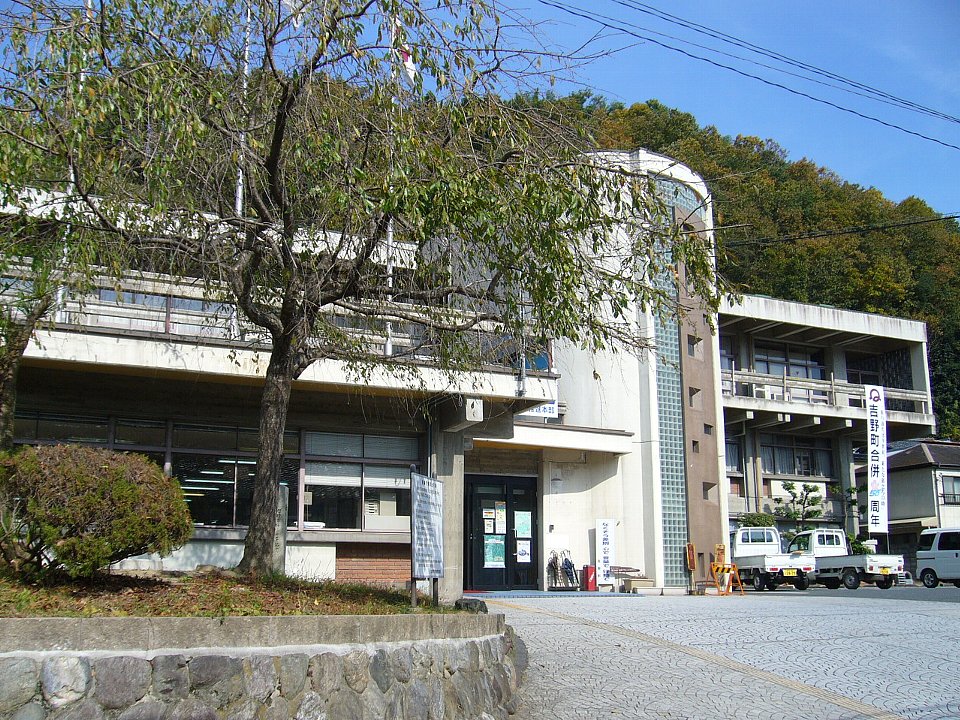
Topography is steep and wooded, with elevations that create a sequence of climatic bands on the mountain. These differences affect flowering times and local land use. Official figures from the early 21st century provide a demographic snapshot; see 2003 data. Basic measurements such as recorded population density and total area help describe the town's scale. For contemporary administration and services consult the municipal resources such as the town office page at Yoshino town.
Mount Yoshino and the cherry blossoms
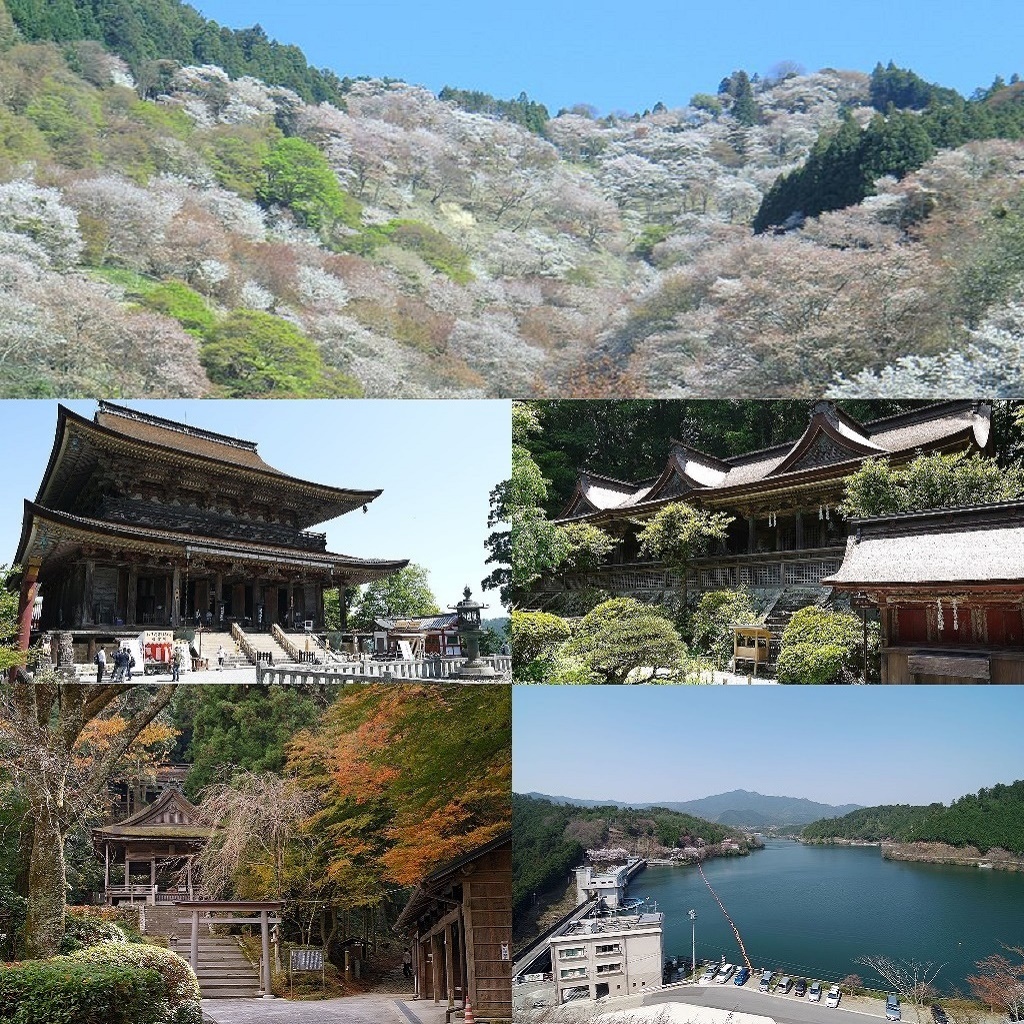
Mount Yoshino is celebrated for its long tradition of sakura planting and hanami. The mountain's slopes are planted in bands at different elevations so that trees bloom in sequence from lower to higher ground, extending the viewing season. The site is often said to include many hundreds of thousands of cherry trees, and the layered blossoms set against evergreen forests have made Yoshino an emblematic spring destination in Japan. Flowering times vary with altitude and yearly weather conditions, and local guides and notices are used to track peak bloom.
Religious and cultural importance
Yoshino has a long association with mountain ascetic practices, notably Shugendō, and several important temples and shrines are located on and around the mountain. Kinpusen-ji and other temple complexes serve both as active religious centres and as historical monuments, integrating ritual architecture with the natural landscape. The area has also played roles in Japan's medieval history and in patterns of pilgrimage that link natural features with sacred sites.
Tourism, festivals and conservation
The town welcomes visitors for day trips and overnight stays during the blossom season and at other times of year. Festivals, temple ceremonies and seasonal markets are part of the local cultural calendar. Visitor management and conservation efforts aim to protect fragile woodland, historic structures and pilgrimage routes while accommodating tourism. Local crafts, such as timber work and regional cuisine, reflect the mountain environment and traditional livelihoods.
Access and practical information
Yoshino is reachable by regional rail and road links from larger urban centres in Kansai, making it a popular excursion for residents and tourists. Practical sources of information include municipal and prefectural guides: Yoshino town and Nara Prefecture, together with national travel and geographic resources for Japan. Historical statistics and archived demographic notes may be consulted via the referenced 2003 data and related entries for area and density.
- Mount Yoshino's layered planting creates a prolonged sakura season that is central to the site's identity.
- Religious practice, pilgrimage and nature protection converge in the cultural landscape of Yoshino.
- The town remains an active community balancing local life, heritage conservation and seasonal tourism.
Related articles
Author
AlegsaOnline.com Yoshino, Nara — town, Mount Yoshino and the cherry blossom legacy Leandro Alegsa
URL: https://en.alegsaonline.com/art/109995