
Ypsilanti, Michigan: overview, history, landmarks and local life
Ypsilanti (often called Ypsi) is a city in Washtenaw County, Michigan, home to Eastern Michigan University, with historic Depot Town, a mixed industrial and cultural past, and close ties to Ann Arbor and Detroit.
Ypsilanti (commonly shortened to Ypsi) is a city in Washtenaw County, in the U.S. state of Michigan. As recorded in the 2010 census, the city's population was 21,018. Ypsilanti lies a few miles east of Ann Arbor and within commuting distance of the Detroit region, a position that has shaped its economy, institutions and cultural life. The city is well known as the home of Eastern Michigan University and for its small‑town neighborhoods, historic commercial districts and active community organizations.
Image gallery
10 Images




History and origins
Ypsilanti traces its identity to early 19th‑century settlement patterns along the Huron River and to the arrival of railroads that connected the region to larger markets. The city's name commemorates a Greek independence leader, a fact reflected in its distinctive spelling and pronunciation, which many commentators note is often mispronounced by outsiders. Industrial and transportation developments in the 20th century — including large manufacturing efforts in the nearby Willow Run area during World War II — left a visible imprint on the local landscape and economy.
Characteristics and landmarks
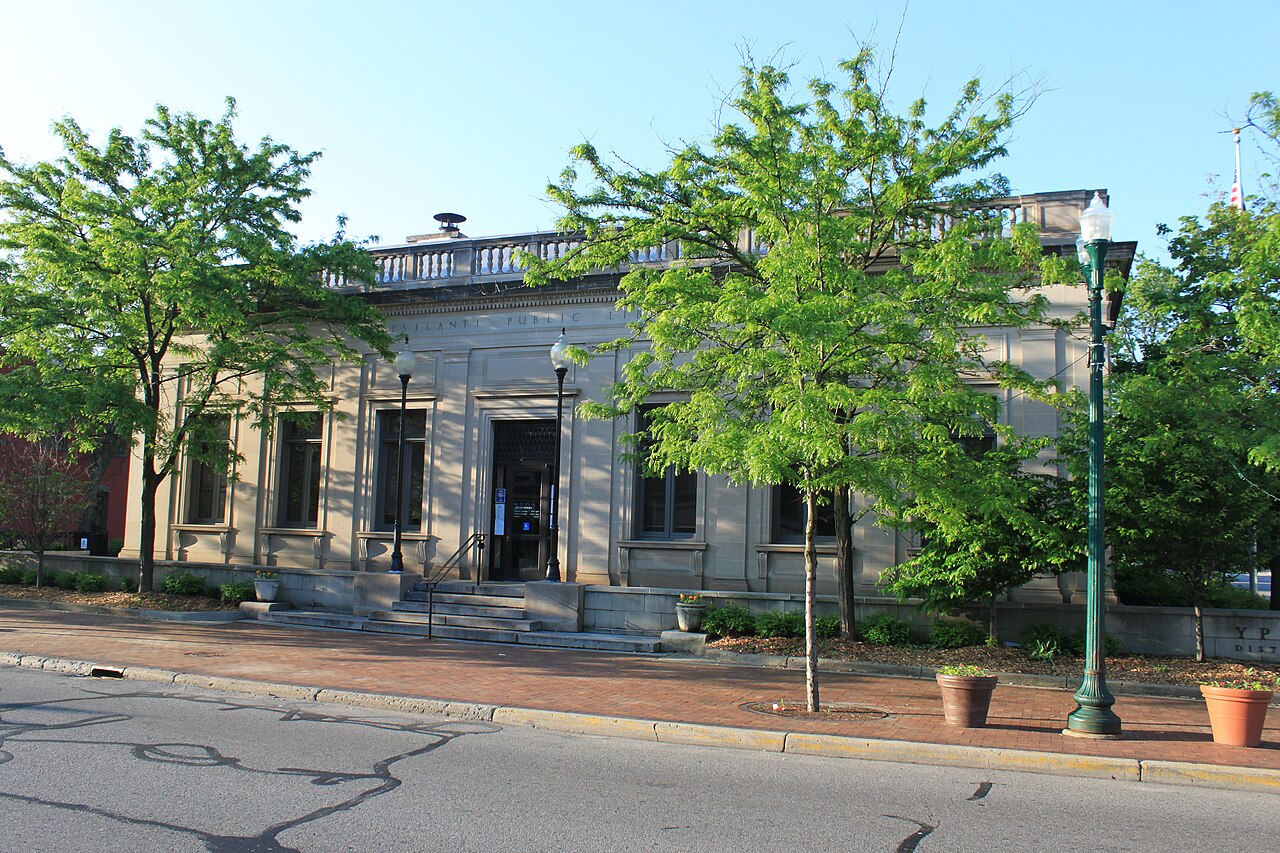
The city’s built environment combines university facilities, residential neighborhoods, and several historic commercial zones. Depot Town, a compact riverside district, is celebrated for its nineteenth‑century brick buildings, independent shops, restaurants and community events. Other notable features include parks along the Huron River, campus green spaces at Eastern Michigan University, and a variety of civic and cultural institutions that serve residents and students alike.
Economy, culture and community life
Ypsilanti’s economy blends education, local services, light manufacturing and an expanding creative and culinary scene. The presence of a regional university contributes to research, arts programming and a steady student population. Local festivals, farmers markets, music venues and small businesses play a central role in day‑to‑day life, and grassroots preservation efforts help maintain the city’s historic character while encouraging adaptive reuse of older buildings.
Transportation and regional role
Situated between major regional centers, Ypsilanti benefits from road and rail links that facilitate commuting and freight movement. The nearby Willow Run complex and local airports provide additional connections to commerce and travel. Its location makes the city both a distinct community and part of the broader Ann Arbor–Detroit metropolitan area, with shared economic and cultural ties.
Notable facts and distinctions
- Nickname: often called Ypsi by residents and visitors.
- Higher education: home to a regional public university that shapes local demographics and culture.
- Historic districts: Depot Town and other neighborhoods preserve 19th‑century architecture and commercial heritage.
- Industrial legacy: proximity to wartime and automotive manufacturing sites influenced growth and land use.
Ypsilanti today is recognized for combining an engaged local community, historic character, and educational institutions. Its proximity to larger cities while retaining a distinctive civic identity makes it an enduring part of southeastern Michigan’s social and economic landscape.
Related articles
Author
AlegsaOnline.com Ypsilanti, Michigan: overview, history, landmarks and local life Leandro Alegsa
URL: https://en.alegsaonline.com/art/110131