
Yoshkar-Ola — capital of the Mari El Republic, Russia
Yoshkar-Ola is the administrative and cultural center of the Mari El Republic in western Russia, known for riverside promenades, varied architecture, regional museums and its role in Mari cultural life.

Image gallery
10 Images






Names, language and identity
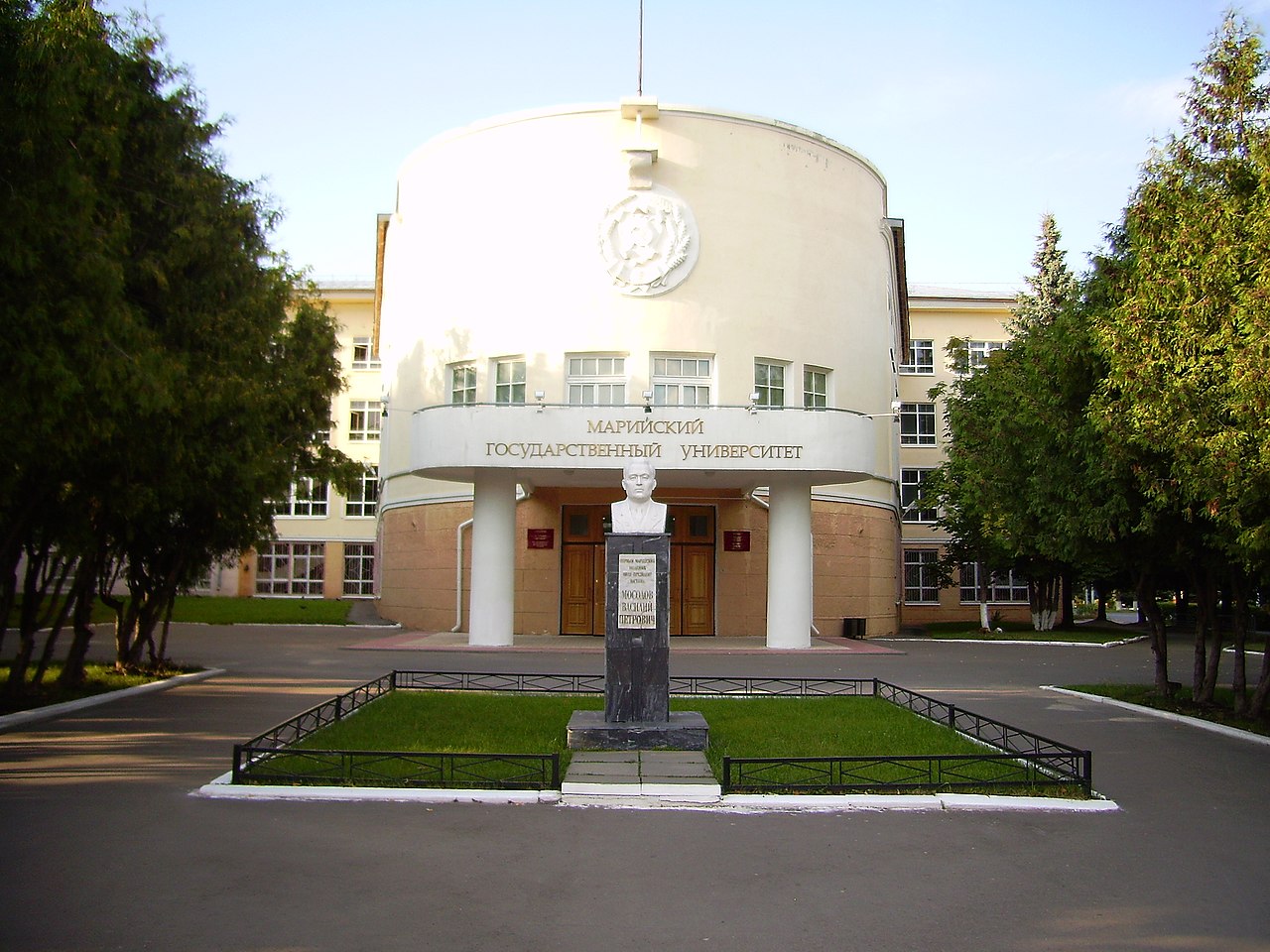
The city's modern name, Yoshkar-Ola, comes from the Mari language and is commonly translated as "red city". In Russian the name is rendered as Йошкар-Ола. As the capital of the republic, Yoshkar-Ola is a focal point for the Mari people, a Finno-Ugric ethnic group with their own language and traditions. The city hosts cultural events, museums and educational institutions that reflect both Mari and Russian influences.
Landmarks and urban character
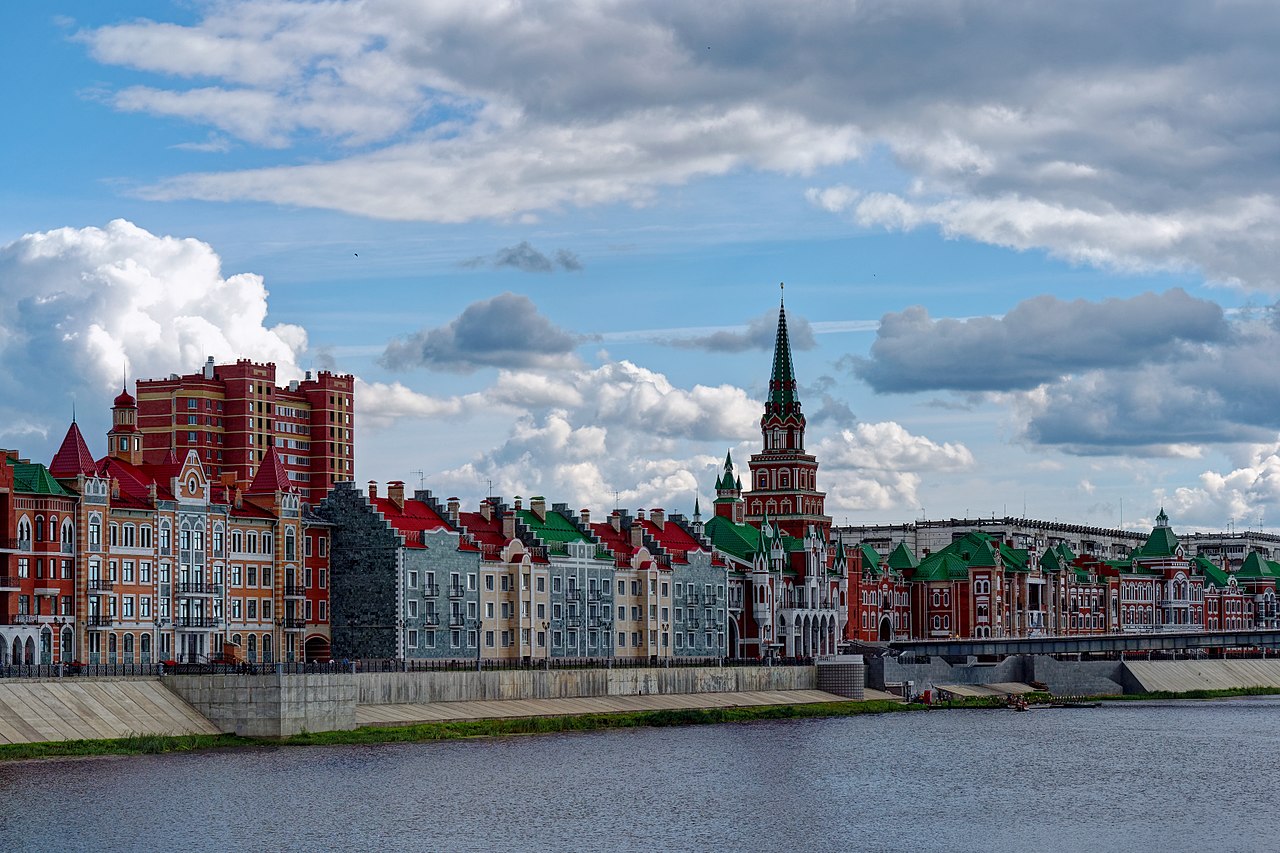
Yoshkar-Ola's cityscape mixes historic buildings, late-imperial structures and newer civic projects that emphasize ornament and color. Notable sites include:
- The National Art Gallery, housed in a Renaissance-inspired building and featuring rotating exhibitions of regional and national art.
- The Museum of the History of Yoshkar-Ola, occupying a former merchant's house and presenting local history, folk art and military exhibits.
- The Cathedral of the Resurrection of Christ, a green-domed Orthodox church that forms a visual landmark near the center.
- The Republican Puppet Theater on the riverbank, noted for an exterior that evokes medieval castle architecture and for its role in family cultural life.

History and development
The settlement that became Yoshkar-Ola dates back several centuries and grew around strategic and trading points on the Kokshaga waterways. Historically the town carried different names: it was known as Tsaryovokokshaysk until 1919 and as Krasnokokshaysk between 1919 and 1927, before receiving the present name. Over time the town evolved from a fortified and mercantile outpost into an administrative and industrial center for the surrounding countryside.
Economy, culture and transport
The city's economy combines administrative services, light industry, education and cultural tourism. As the seat of the republic's government it concentrates regional institutions and transport links that connect to larger Russian cities and the Volga economic area. Cultural life emphasizes Mari traditions alongside Russian and pan‑regional programs: theaters, galleries and festivals underline Yoshkar-Ola's role as a centre for the republic's public life.
Notable facts and distinctions
Yoshkar-Ola is often noted for its recent urban renewal projects, which introduced colorful façades, decorative bridges and public squares intended to create a distinctive riverside image. Visitors and commentators frequently point to the city's eclectic mix of styles as one of its most striking features. As the capital of the Mari El Republic within the Russian Federation, Yoshkar-Ola combines regional identity with administrative importance: it is both a local cultural capital and an official seat of government for the republic (capital status, part of the Russian Federation).
Related articles
Author
AlegsaOnline.com Yoshkar-Ola — capital of the Mari El Republic, Russia Leandro Alegsa
URL: https://en.alegsaonline.com/art/110025