
Ypres (Ieper): Belgian town, First World War battlefields and memorials
Ypres (Dutch: Ieper) is a municipality in West Flanders, Belgium, known for medieval cloth trade, the First World War battles around it and extensive war memorials and cemeteries.
Ypres (Dutch: Ieper) is a municipality in the province of West Flanders, in Belgium. It occupies a hub position in the low-lying Flanders plain and combines a small historic centre with several surrounding villages. Administratively it is classed as a municipality, with a population of roughly 35,000 people (in 2007 about 34,900 were recorded).
Image gallery
10 Images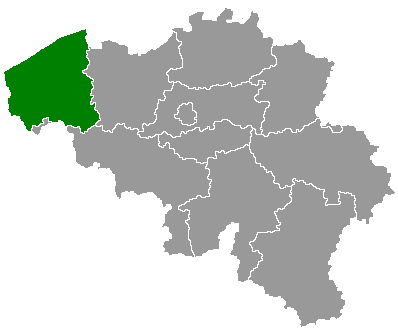




Constituent communities and location
The municipality includes the city proper and a number of villages that form its immediate hinterland. The principal urban area is the town of Ypres, surrounded by smaller settlements whose identities reflect rural West Flanders:
- Boezinge
- Brielen
- Dikkebus
- Elverdinge
- Hollebeke
- Sint-Jan
- Vlamertinge
- Voormezele
- Zillebeke
- Zuidschote
Historic character and architecture
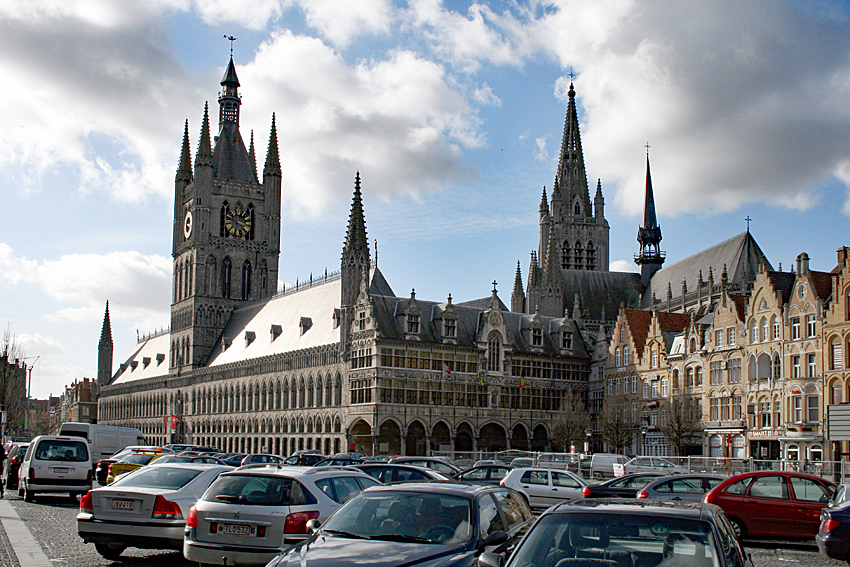
Ypres has a long history as a medieval cloth-trading centre; its Cloth Hall (Lakenhalle) was once one of the largest commercial buildings in northern Europe. Much of the town centre was rebuilt after near-total destruction in the First World War; the Cloth Hall and other landmark buildings were reconstructed in a style sympathetic to the original Gothic and Flemish townscape.
World War I and remembrance
The Ypres salient was the focal point for repeated battles in the First World War. The Second Battle of Ypres (1915) is widely noted for the first large-scale use of poison gas on the Western Front. Fierce fighting and artillery devastated the town and the surrounding landscape; soldiers from many nations lie in the cemeteries that punctuate the fields around Ypres.
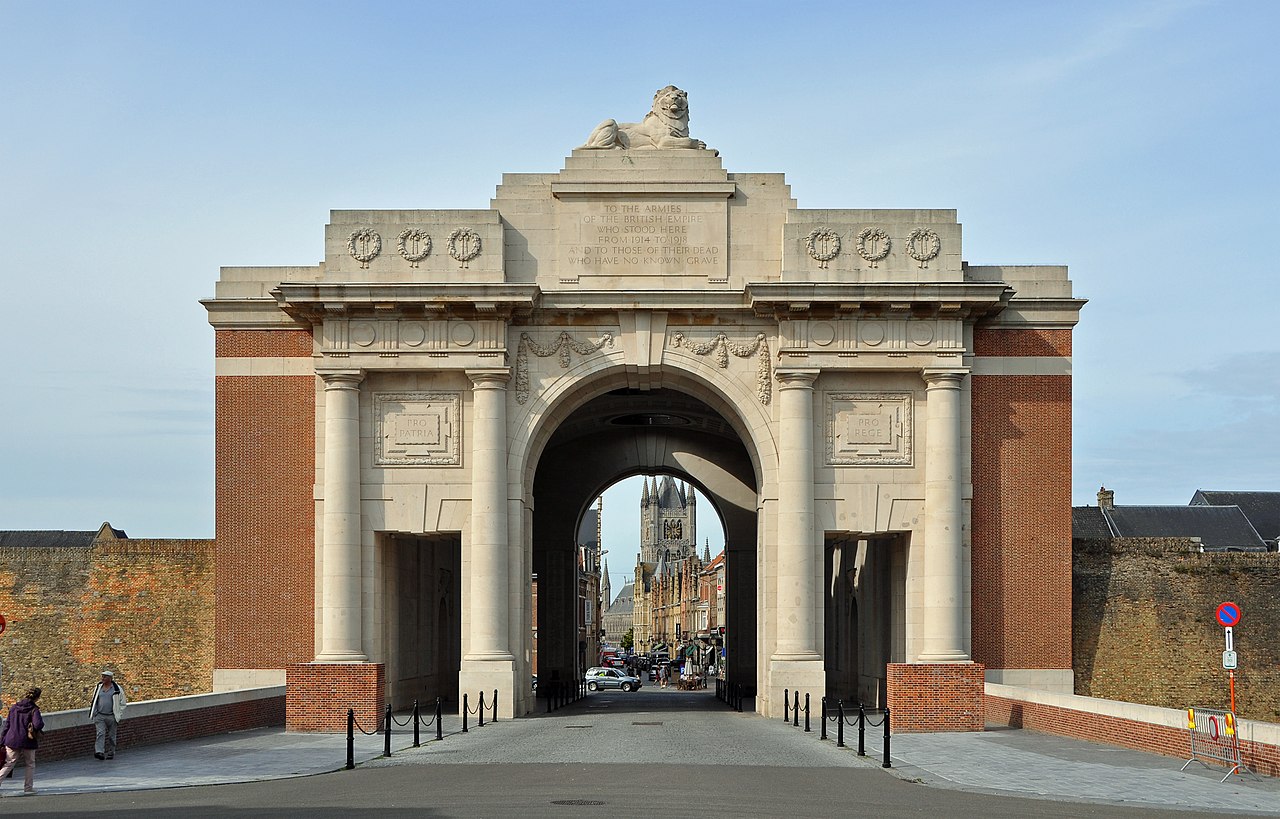
Today the town is a centre for remembrance: the Menin Gate memorial and the rebuilt Cloth Hall draw visitors, and the nightly "Last Post" ceremony at the Menin Gate has been held as a tribute to the fallen for many decades. Graves and memorials are maintained by organizations such as the Commonwealth War Graves Commission, and guided battlefield tours explain troop movements, trenches and preserved sites.
Importance and cultural memory
Ypres remains important for military history, tourism and local identity. It is frequently mentioned in histories of the First World War, in literature and commemorative practices, and it continues to host conferences and educational visits focused on conflict, reconstruction and remembrance. The town is located at approximately 50°51′N, 2°53′E and serves both as a living community and as a key place of memory in northern Europe.
For further local information and administrative resources see municipal and regional pages; the name Ieper is commonly used in Dutch-language contexts and international visitors will find a range of museums, guided walks and conservation projects dedicated to the town's layered history.
Ieper • municipality • Belgium • West Flanders • Ypres • Vlamertinge • Second Battle of Ypres
Related articles
Author
AlegsaOnline.com Ypres (Ieper): Belgian town, First World War battlefields and memorials Leandro Alegsa
URL: https://en.alegsaonline.com/art/110130
Sources
- statbel.fgov.be : Population per municipality as of 1 January 2016
- statbel.fgov.be : Werkelijke bevolking per gemeente op 1 januari 2007 / Population de droit par commune au 1 janvier 2007 (.xls)
- statbel.fgov.be : Geografische coördinaten van de gemeenten (.xls)