
Yunnan Province — geography, history, culture and biodiversity
Yunnan is a mountainous southwestern province of China known for ethnic diversity, rich biodiversity, borderlands with Southeast Asia, and major cultural and ecological significance.
Overview
Yunnan (simplified Chinese: 云南; traditional Chinese: 雲南) is a province in the southwest of the People's Republic of China (China). Its capital is Kunming, a regional hub for transport, education and administration. Yunnan occupies a large area of highlands and river valleys and has long served as a cultural and ecological bridge between East Asia and Southeast Asia.

Image gallery
10 Images

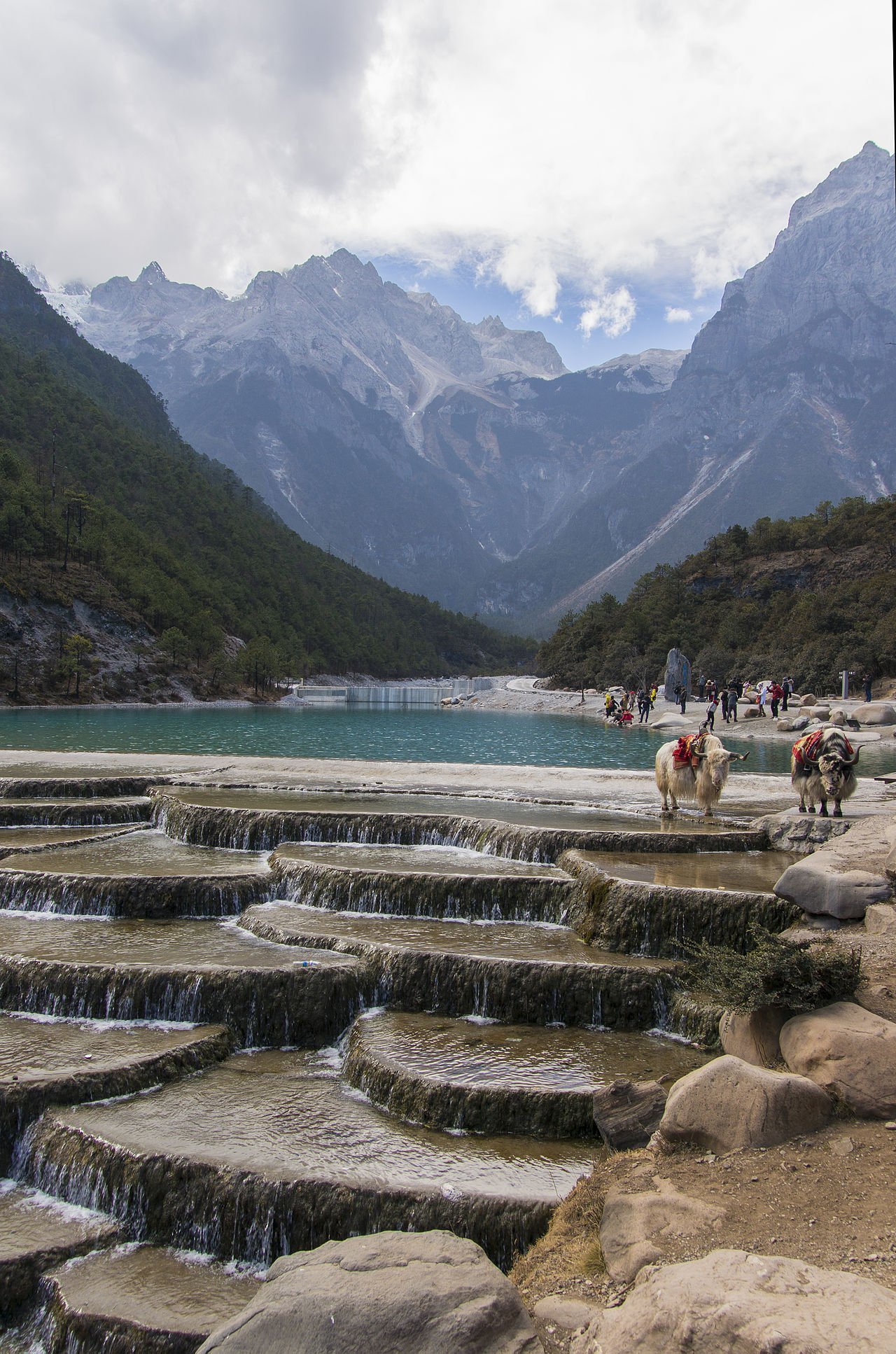


Geography and environment
Yunnan spans roughly 394,000 square kilometres; sources often cite an area near 394,100 km2 (area figure, square miles) and detailed regional maps and statistics are available from provincial authorities (administrative map). The province features dramatic elevation changes, from deep river gorges to high mountain ranges, and contains the headwaters of major rivers. This topographic variety produces many climate zones within short distances and supports a wide range of ecosystems.
Borders, administration and population
Yunnan shares international borders with Vietnam, Laos and Myanmar (Burma). Internally it is divided into prefectures and autonomous prefectures that reflect the presence of many ethnic groups. The province's population has been reported at around 45.7 million in some past estimates (population data) and today comprises dozens of officially recognized ethnic minorities alongside Han Chinese communities. Major cities include Kunming, Dali, Lijiang and Pu'er.
History and cultural significance
The region now called Yunnan has been inhabited for millennia and was historically connected to trade routes reaching into Southeast Asia, South Asia and Tibet. Through successive dynasties its borders and administrative status evolved; in modern times it became organized as a province of the PRC. Yunnan is notable for its diversity of languages, crafts, musical traditions and religious practices, many of which are concentrated in local towns and rural villages.
Biodiversity, economy and tourism
Because of varied climates and elevations, Yunnan is one of China's most biodiverse provinces, home to many endemic plants and animals and important nature reserves. Its economy mixes agriculture (tea, tobacco, tropical and subtropical crops), mining, hydropower and a growing services sector focused on tourism. Visitors are drawn by natural scenery, ethnic festivals, historic towns such as those in the ancient Tea Horse Road, and conservation areas.
Notable facts and distinctions
- Geographic crossroads: bordering three Southeast Asian countries and linking to inland China.
- Cultural diversity: many ethnic minorities maintain distinct languages and traditions.
- Ecological importance: high species richness and a range of protected areas.
- Regional development: infrastructure growth seeks to balance economic opportunity with conservation.
For administrative details and further official resources see the province page and statistical summaries: provincial information.
Related articles
Author
AlegsaOnline.com Yunnan Province — geography, history, culture and biodiversity Leandro Alegsa
URL: https://en.alegsaonline.com/art/110236