
Yevgeny Yevtushenko
Soviet and Russian poet, novelist and public intellectual (1932–2017) whose poems, notably “Babi Yar,” addressed social issues and brought him international recognition during the Khrushchev era.
Yevgeny Aleksandrovich Yevtushenko (18 July 1932 – 1 April 2017) was a prominent Soviet and Russian poet who became an outspoken public figure in the mid-20th century. He wrote poetry, novels, essays, plays and screenplays, and worked in film and publishing. His public readings and media presence made him one of the best-known literary figures of the post-Stalin generations.
Image gallery
5 Images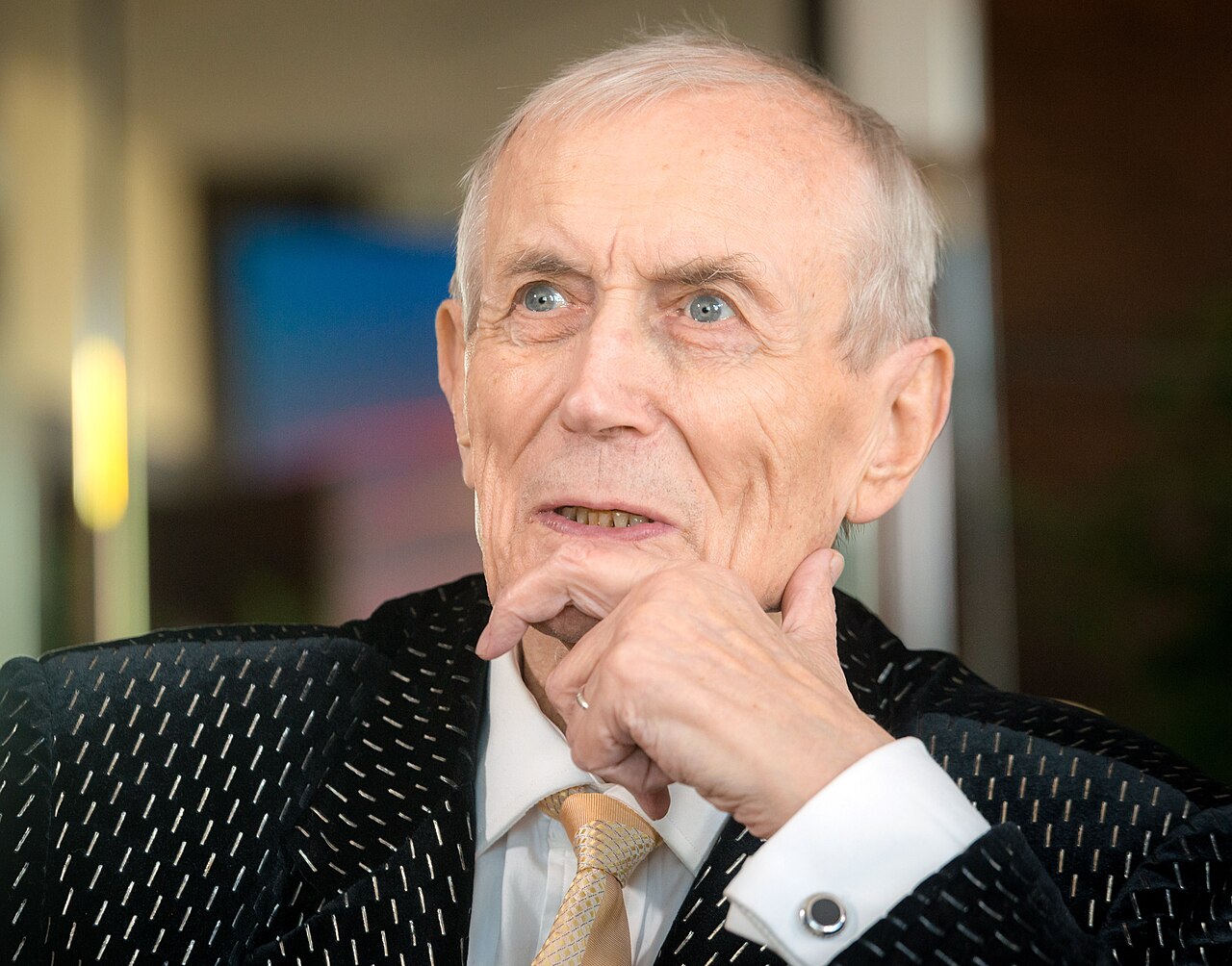


Rise to prominence
Yevtushenko rose to wide attention in the late 1950s and early 1960s, a period often called the Khrushchev Thaw, when censorship briefly eased and social debate expanded. In 1961 he published the poem Babi Yar, a powerful public denunciation of antisemitism and a reminder of the massacre that took place at Babi Yar during World War II. The poem engaged with the memory of the Holocaust and resonated across the Soviet Union and abroad; Dmitri Shostakovich later incorporated the text into his Thirteenth Symphony, further amplifying its reach.
Work and themes
Yevtushenko’s writing combined personal lyricism with civic concern. He often addressed history, memory, injustice and the responsibilities of writers in society. His style ranged from direct declamation suited to public performance to more reflective lyric pieces. Beyond poetry, he produced novels, critical essays and film scripts, and he participated in documentary and feature filmmaking.
Public role and reception
As a public intellectual, Yevtushenko traveled widely, read his work in large venues, and cultivated a high public profile. That visibility won him admirers for speaking about social problems, but it also drew criticism: some questioned his political compromises or perceived self-promotion. Nevertheless, translations of his work helped introduce contemporary Russian verse to international readers.
Legacy and influence
Yevtushenko is remembered for bringing contemporary issues into Soviet poetry and for helping to reopen public discussion about difficult historical subjects. His poems remain anthologized and continue to be studied for their historical importance and rhetorical power. He influenced later Russian poets who sought to combine personal voice with public engagement.
Yevtushenko died on 1 April 2017 in Tulsa, Oklahoma. Reports state he suffered heart failure after undergoing kidney surgery and was pronounced dead at a hospital in Tulsa; accounts cited heart failure as the immediate cause. His death prompted tributes from literary communities in Russia and abroad, reflecting the complex but enduring place he occupies in twentieth-century literature.
Related articles
Author
AlegsaOnline.com Yevgeny Yevtushenko Leandro Alegsa
URL: https://en.alegsaonline.com/art/109826
Sources
- russofile.ru : "Раздел второй Основные даты жизни и творчества Е. А. Евтушенко (1932-1996 гг.) ["Section Two Key dates in the life and creativity of E. A. Evtushenko (1932-1996 biennium]"
- washingtonpost.com : "Acclaimed Russian poet Yevgeny Yevtushenko dies in Oklahoma"