
Tulsa, Oklahoma: overview, history, culture, and economy
Tulsa is the second-largest city in Oklahoma, a regional cultural and economic center on the Arkansas River known for its oil-boom history, Art Deco architecture, museums, and growing tech and aerospace sectors.
The United States city of Tulsa sits in the northeastern part of Oklahoma and serves as the county seat of Tulsa County. As a metropolitan center on the Arkansas River, Tulsa is the state's second-largest city and anchors a broader urban and suburban region. Its population is commonly described as several hundred thousand in the city proper with about a million people in the metropolitan area, making it one of the larger urban centers in the central United States.
Image gallery
10 Images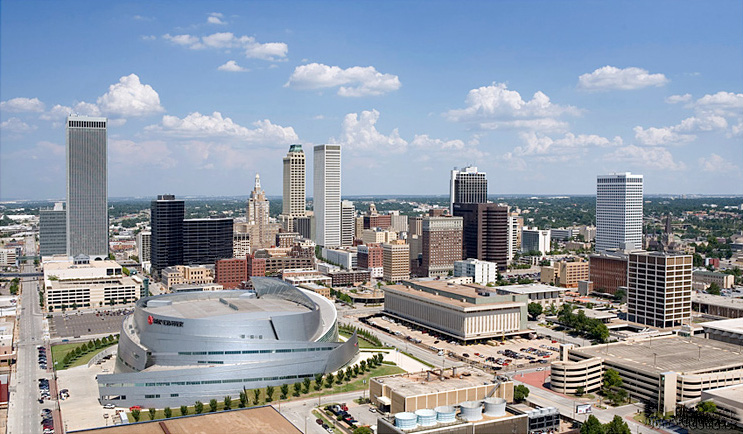


Origins and historical development
Tulsa's growth accelerated in the early 20th century with the discovery and exploitation of oil in northeastern Oklahoma. The resulting prosperity financed substantial construction and civic development, leaving a legacy of well-preserved early skyscrapers and Art Deco buildings. The city is also home to Greenwood, once known as "Black Wall Street," an African American business district that thrived before the 1921 Tulsa Race Massacre. That event, its aftermath, and more recent efforts at memorialization and reconciliation are central to the city's modern historical narrative.
Economy and industries
Tulsa historically served as a hub for the petroleum industry and energy services; energy remains important, but the local economy has diversified. Aerospace and aviation manufacturing, shipping and distribution, financial services, and technology firms contribute to employment and growth. The region supports a mix of corporate headquarters, small businesses, and research activities tied to nearby universities and medical centers.
Culture, arts, and landmarks
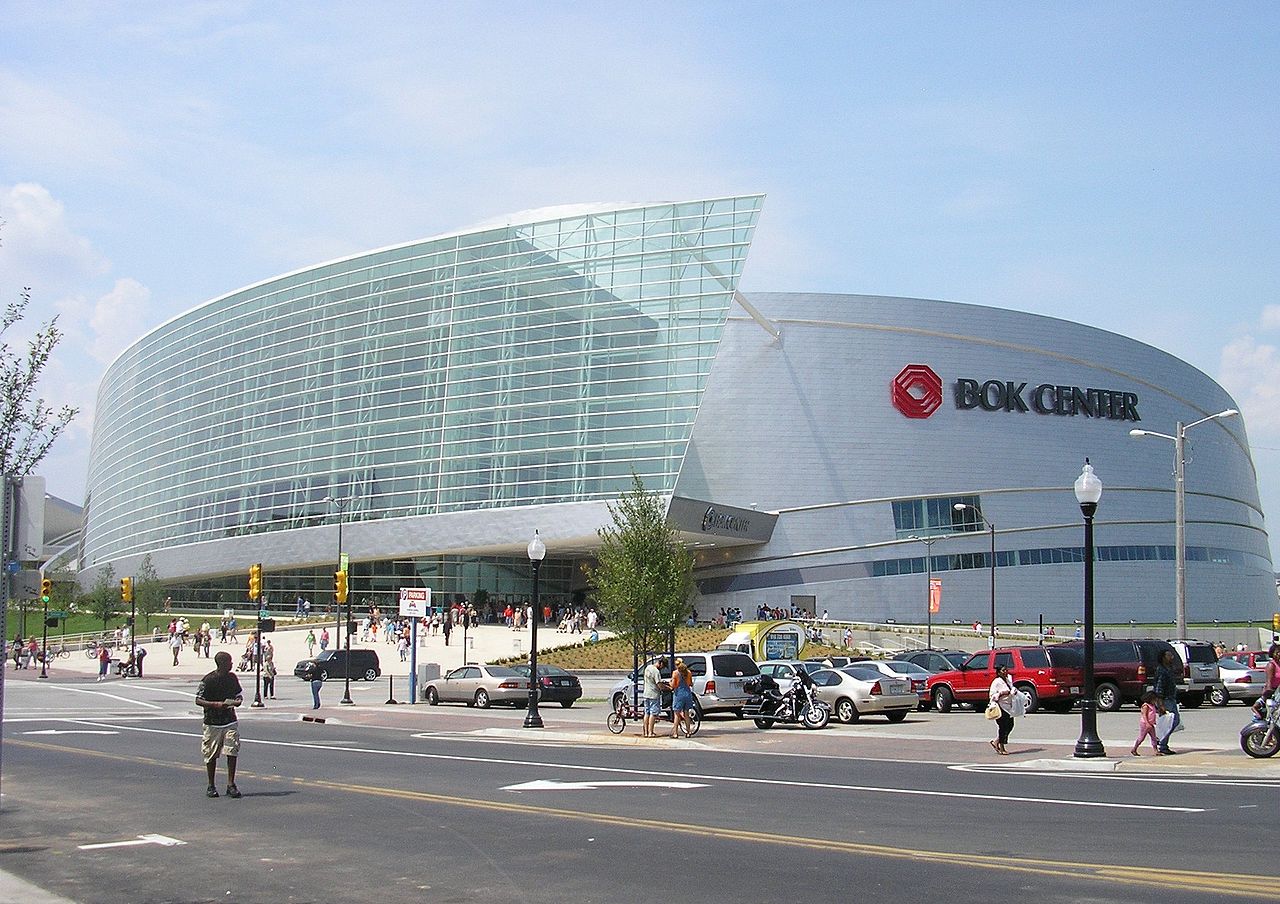
Arts and cultural institutions are prominent in Tulsa. Notable museums include the Philbrook Museum of Art and the Gilcrease Museum, both housing significant collections of art and regional history. Music and performing arts venues, such as the BOK Center and numerous theaters, host concerts, sports, and cultural festivals. Tulsa is also famous for its Art Deco architecture, its Route 66 heritage, and public art like the Golden Driller statue.
Recreation, education, and urban life
Outdoor amenities include riverfront trails, parks, and the expansive riverfront park complex known for attracting locals and visitors. Higher education institutions such as the University of Tulsa and other colleges shape the city's academic and research profile. Revitalization of downtown neighborhoods, new mixed-use development, and investments in public spaces have been notable trends in recent decades.
Things to see and notable facts
- Historic Greenwood District and its memorial sites.
- Major museums: Philbrook and Gilcrease.
- Art Deco architecture and Route 66 landmarks.
- Gathering Place riverfront park and extensive trail systems.
- Strong legacy in the oil industry with diversification into aerospace and tech.
Tulsa functions as an economic, cultural, and transportation hub for northeastern Oklahoma, balancing historical preservation with contemporary redevelopment. For civic resources and visitor information, see local official pages and cultural organization listings.
Related articles
Author
AlegsaOnline.com Tulsa, Oklahoma: overview, history, culture, and economy Leandro Alegsa
URL: https://en.alegsaonline.com/art/101992