
Babi Yar: Kyiv ravine and the 1941 mass murders
Babi Yar is a ravine in Kyiv where, in late September 1941, Nazi forces carried out a large mass shooting of Jews and later victims; the site became central to memory, investigation, and commemoration.
Babi Yar (Ukrainian: Бабин Яр) is a steep ravine and landscape feature (a ravine) on the edge of the city of Kyiv, in Ukraine. It is widely known as the location of one of the largest single massacres of Jews during the European war years and has become a powerful symbol of the wartime atrocities and their remembrance.
Image gallery
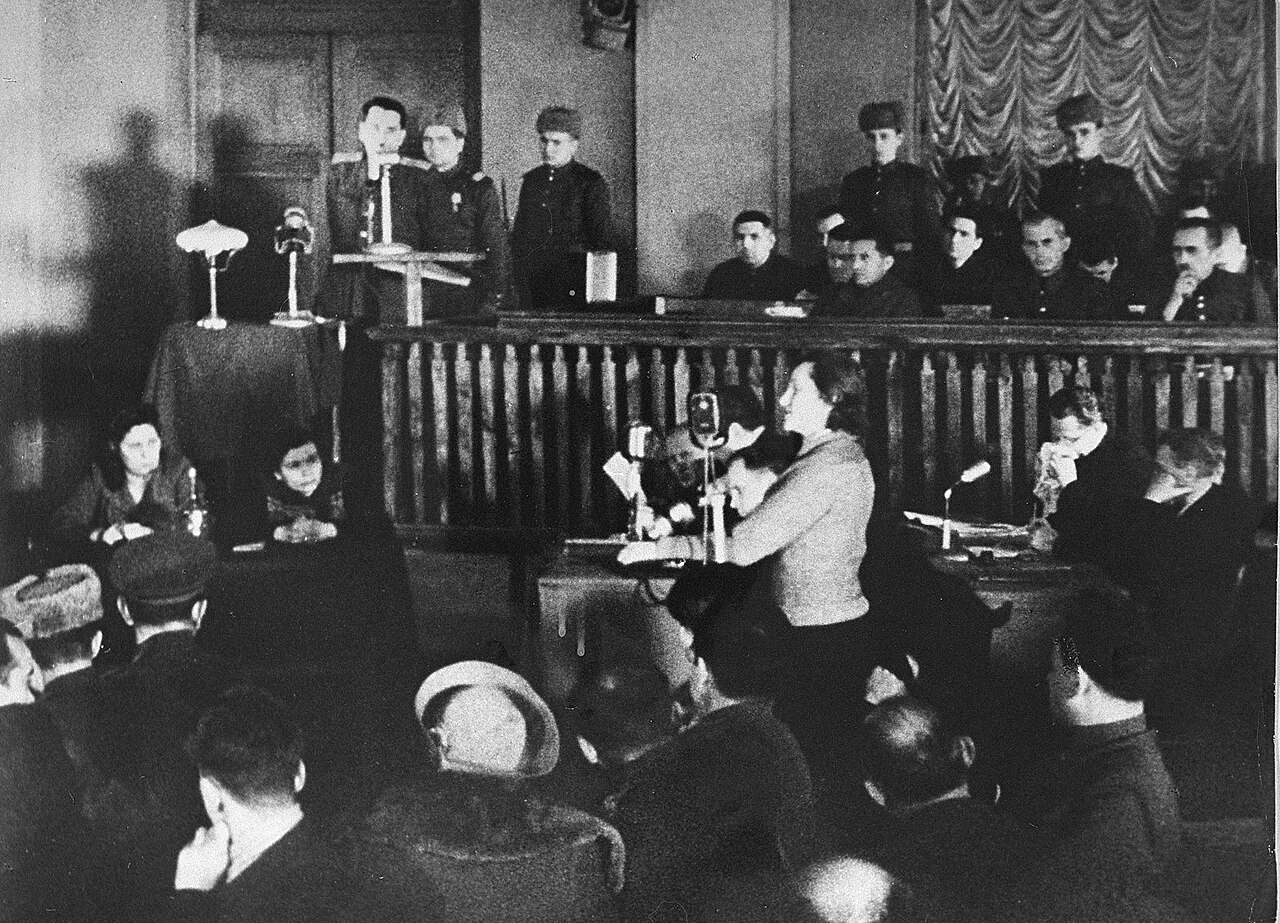
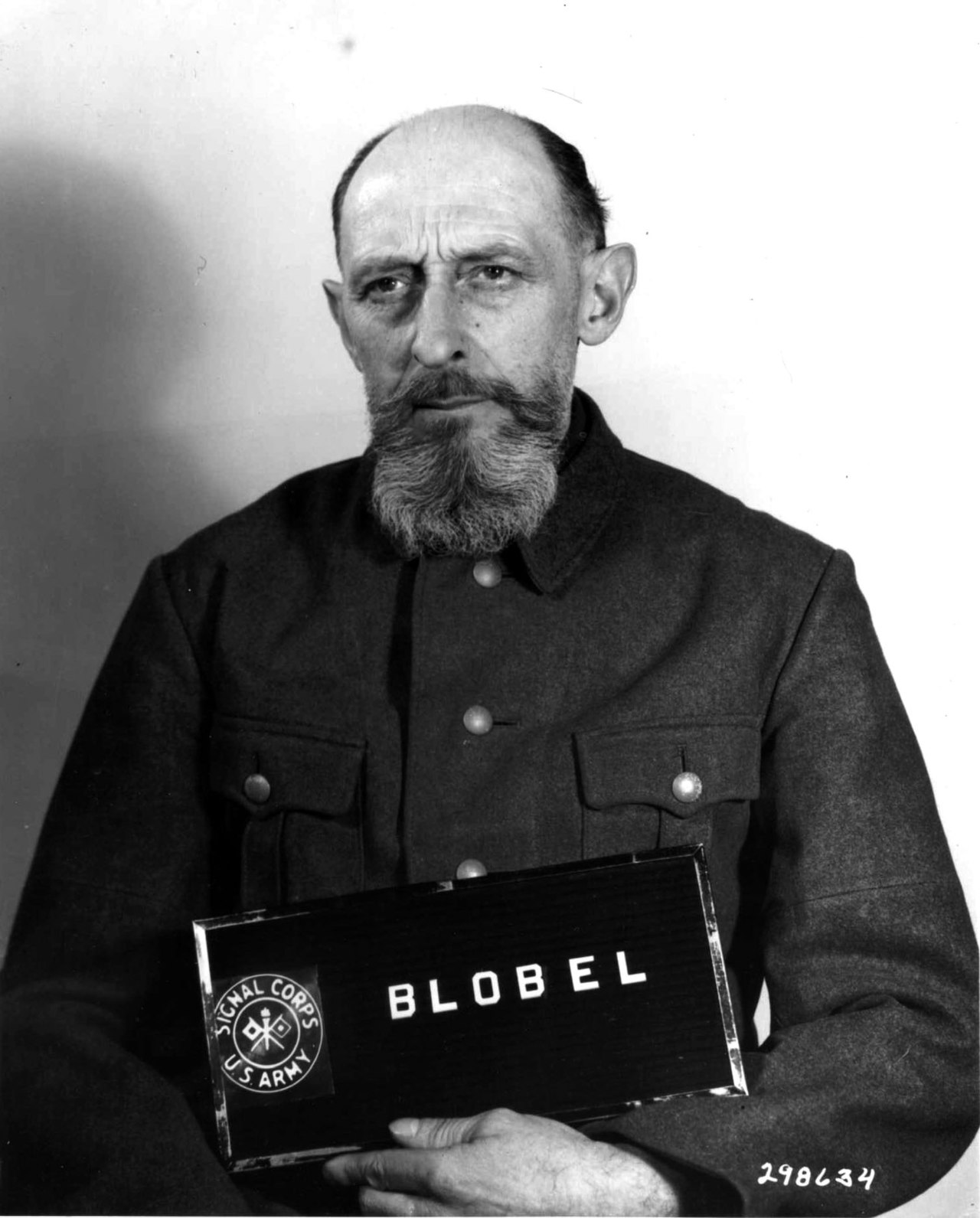
9 Images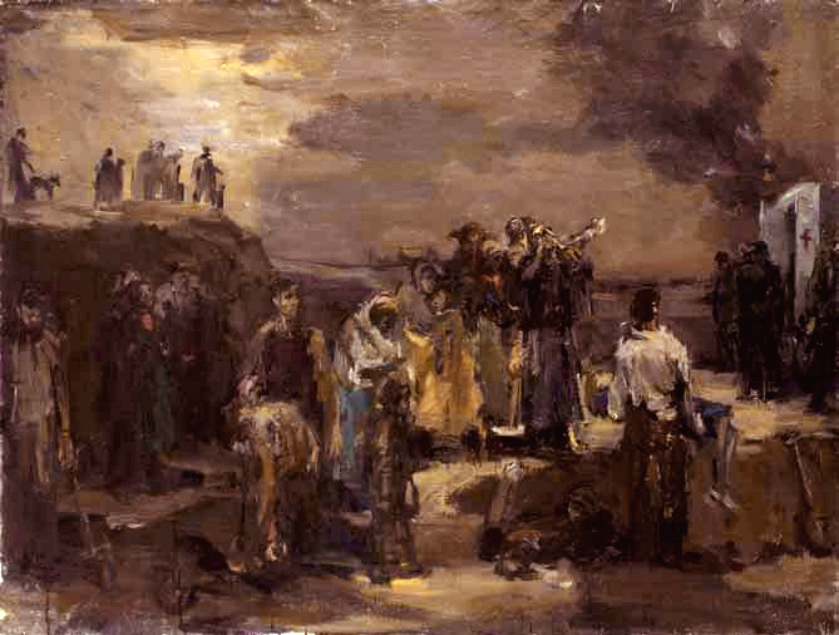




Background and location
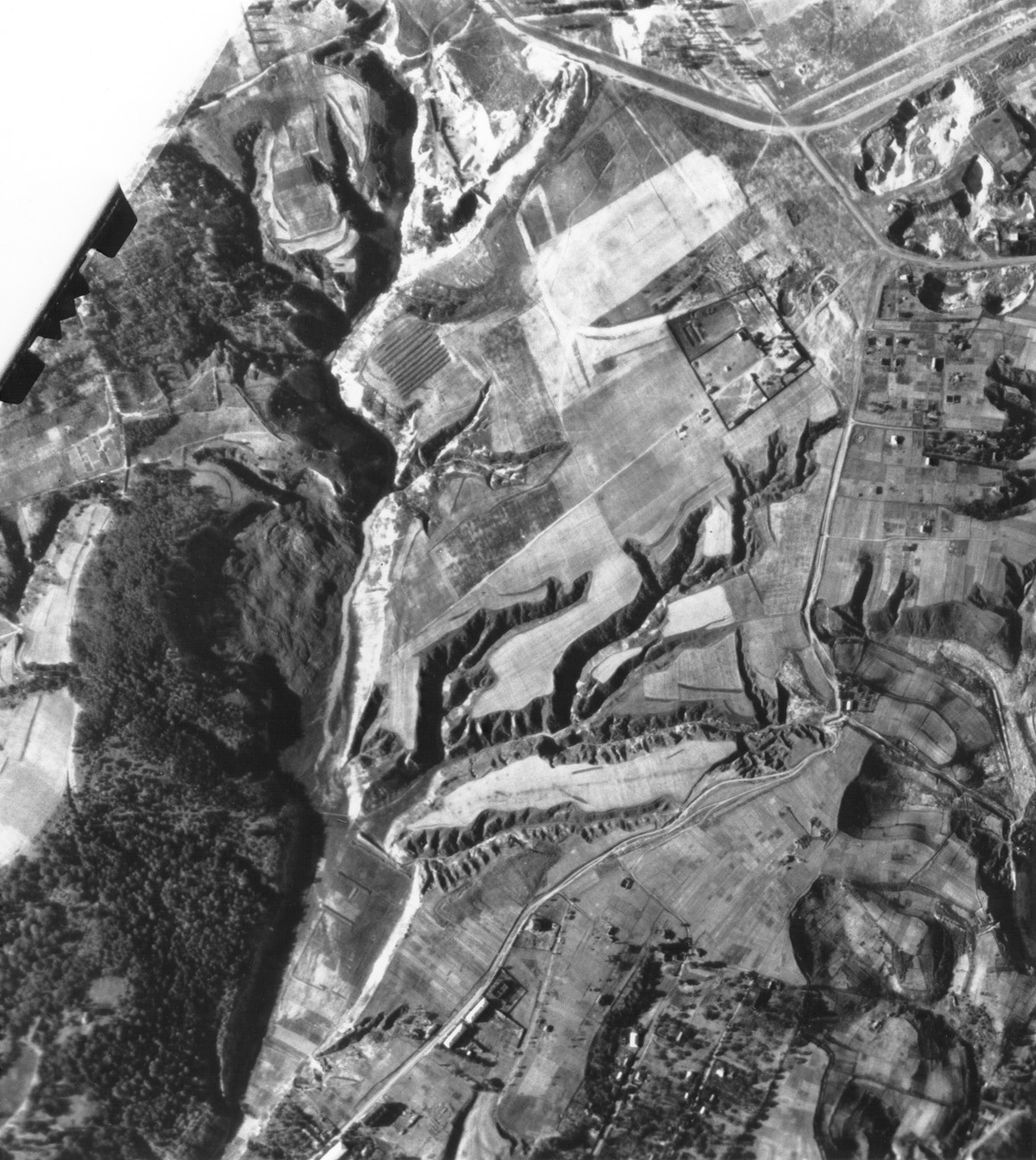
The ravine is a natural depression with pronounced slopes that once lay near open areas outside Kyiv's dense neighborhoods. Its physical form — deep and relatively secluded — made it a place where occupiers and collaborators could carry out mass executions and conceal graves. Before the events of 1941 the site had no connotation beyond its local geography.
Massacre of September 1941
After German forces occupied Kyiv in 1941, units operating under the framework of the Holocaust carried out mass shootings. Forces associated with the Nazi regime, including mobile killing squads and uniformed soldiers, organized large-scale executions. On 29–30 September 1941, approximately 33,771 people identified as Jewish were massacred at Babi Yar in a single operation; this killing over two days is among the worst single massacres of Jews during that period.
- Primary victims in September 1941: Jewish residents of Kyiv and nearby communities.
- Later victims buried at the site included Roma, Soviet prisoners of war, civilians suspected of resistance, and psychiatric patients.
- Estimates of the total number of people killed at and around Babi Yar over 1941–1943 vary; some assessments place the broader toll (from multiple actions) at tens of thousands, with upper estimates approaching about 100,000.
Aftermath, concealment, and memory
In 1943 efforts were made to destroy evidence of mass graves. After the war, Soviet authorities commemorated some victims but for decades downplayed the specifically Jewish character of the crime, a source of controversy in memory and historiography. The site inspired important cultural responses — notably a 1961 poem about the killings and a musical setting that brought wider attention — and after Ukrainian independence a number of memorials and museums were established to mark what happened and to document the victims.
Babi Yar remains a key subject in studies of the Holocaust, wartime collaboration, forensic investigation, and public memory. It is visited by scholars, descendants, and others seeking to understand and remember the scale and nature of mass violence carried out there.
Questions and answers
Q: Where is Babi Yar located?
A: Babi Yar is located in Kyiv, Ukraine.
Q: What happened at Babi Yar during the Holocaust?
A: During the Holocaust, Nazi soldiers massacred 33,771 Jewish people at Babi Yar.
Q: How many Jewish people were killed by the Nazis at Babi Yar?
A: The Nazis killed 33,771 Jewish people at Babi Yar.
Q: Is Babi Yar a significant location during the Holocaust?
A: Yes, Babi Yar is significant as it may have been the worst two-day mass murder of Jews in all of the Holocaust.
Q: When did the massacre at Babi Yar occur?
A: The massacre at Babi Yar occurred during the Holocaust.
Q: Who was responsible for the massacre at Babi Yar?
A: Nazi soldiers were responsible for the massacre at Babi Yar.
Q: How has Babi Yar been remembered?
A: Babi Yar has been remembered as a tragic site of mass murder during the Holocaust.
Related articles
Author
AlegsaOnline.com Babi Yar: Kyiv ravine and the 1941 mass murders Leandro Alegsa
URL: https://en.alegsaonline.com/art/8032
Sources
- commons.wikimedia.org : Babi Yar · web.archive.org
- ushmm.org : Kiev and Babi Yar
- ushmm.org : Holocaust Encyclopedia
- holocaustchronicle.org : The Holocaust Chronicle: Massacre at Babi Yar
- holocaustchronicle.org : The Holocaust Chronicle web site
- brandeis.edu : "Babi Yar: The tragedy of Kiev's Jews" · web.archive.org
- iz.ru : "История — последние и свежие новости сегодня и за 2019 год на iz.ru - Известия"