
Yi Hwang (Toegye): Korean Neo-Confucian Philosopher and Scholar (1501–1570)
Yi Hwang, known by the pen name Toegye, was a leading Joseon Dynasty Neo‑Confucian scholar, poet and statesman whose teachings shaped Korean Confucian education and moral thought.
Overview
Yi Hwang (1501–1570), widely known by his pen name Toegye and by the courtesy name Gyeongho, was one of the most influential Neo‑Confucian thinkers of Korea's Joseon Dynasty. He combined philosophical writing, poetry and governmental service with a lifelong commitment to moral self‑cultivation and teaching. His work codified and adapted Neo‑Confucian ideas within the Joseon cultural and intellectual context, and his reputation endures in modern Korea.
Image gallery
2 Images
Philosophical contributions
Toegye studied and taught key Neo‑Confucian themes such as the relationship between principle and material force, the priority of moral principle (li) in ethical life, and the disciplined practice of study and introspection. He argued for rigorous inner reflection and careful textual study as the path to sagehood, emphasizing both abstract metaphysical inquiry and concrete ethical training. His collected essays and letters reflect sustained attention to virtue, learning, and the formation of character.
Career and institutions
Yi Hwang held official posts at court at various times but is often remembered for choosing a quieter life of teaching and mentorship. He participated in the network of private academies and scholarly communities that transmitted Confucian learning across generations. Memorial academies and seowon (private Confucian schools) preserve his methods and texts; some institutions and localities maintain sites associated with his life and followers.
Writings, poetry and style
While best known for philosophical prose, Yi Hwang also wrote poetry and instructional prose that aimed to make ethical practice personally demanding yet accessible. His literary style balances precise argument with a reflective, often personal tone. Collections of his writings continue to be studied for both their intellectual content and their example of scholarly conduct.
Legacy and remembrance
- Yi Hwang's name survives in place names and cultural memory; Toegyero, a street in central Seoul, commemorates him.
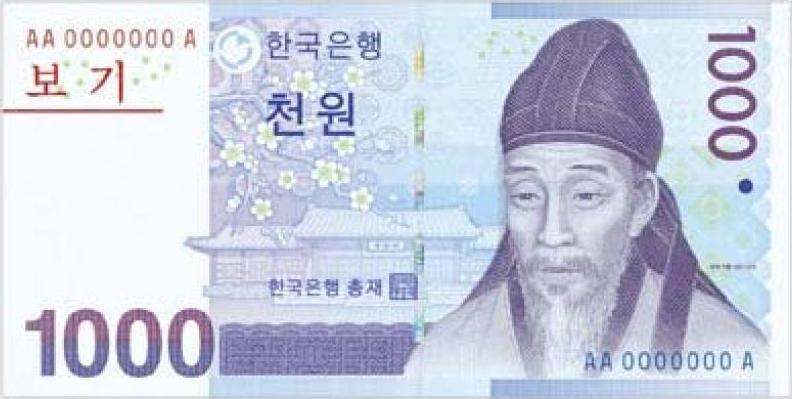
- His portrait appears on the South Korean 1,000 won note, reflecting his status as a national cultural figure.
- He is often discussed in treatments of Joseon Dynasty Neo‑Confucianism and in studies of East Asian intellectual history.
As both a practical teacher and a technical philosopher, Yi Hwang bridged scholarly argument and lived practice. His influence extended beyond theoretical debate to shape educational habits, moral expectations for officials, and the institutions that preserved Confucian learning in Korea. Modern scholarship continues to examine his writings for their subtle engagement with questions about moral psychology, learning, and the responsibilities of public life.
Related articles
Author
AlegsaOnline.com Yi Hwang (Toegye): Korean Neo-Confucian Philosopher and Scholar (1501–1570) Leandro Alegsa
URL: https://en.alegsaonline.com/art/109841
Sources
- 100.nate.com : Yi Hwang
- 100.naver.com : Toegyero
- news.naver.com : The new 1,000 won bill