
Yi Jun-yong (Prince Yeongseon) — Korean royal and politician
Yi Jun-yong (1870–1918), Prince Yeongseon, was a member of the late Joseon royal family and a political figure whose career reflects court factionalism and Korea’s turbulent transition to the Korean Empire and annexation.
Yi Jun-yong (June 25, 1870 – March 22, 1918) was a Korean prince and political actor in the final decades of the Joseon dynasty and the early Korean Empire. A grandson of the influential regent Heungseon Daewongun and a nephew of King (later Emperor) Gojong, Yi moved within the highest circles of court life during a period of intense domestic reform and foreign intervention. He is commonly known by his princely title Prince Yeongseon (영선군, 永宣君).
Image gallery
2 Images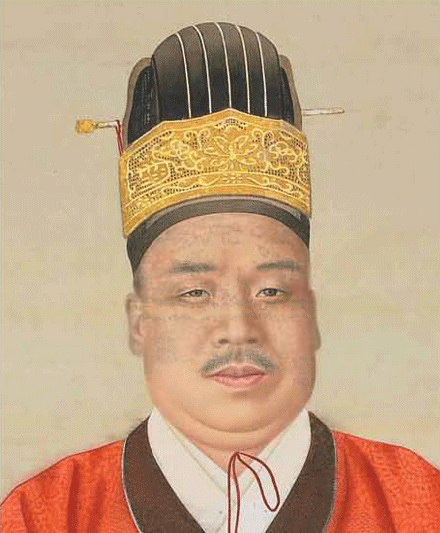

Names and family background
Yi Jun-yong’s name appears in Korean as 이준용 and in classical Chinese characters as 李埈鎔. Born into the royal Yi (Lee) clan, his status derived from both paternal lineage and the political prominence of his grandfather, Heungseon Daewongun, who had been a central figure in mid-19th century Joseon politics. His close relationship to Gojong shaped his opportunities at court as well as the rivalries that would mark his public life.
Political role and rivalries
Yi Jun-yong’s career must be understood against a backdrop of intense factional competition. As a prince he was a potential focal point for factions seeking royal endorsement or a counterweight to the king’s faction. Contemporary and later accounts describe periods of tension between Yi and elements around Emperor Gojong; these tensions reflect broader conflicts between conservative and reformist groups, as well as the influence of external powers jockeying for advantage in Korea.
Historical context
The late nineteenth and early twentieth centuries in Korea were marked by efforts at modernization, court reform, and repeated foreign encroachments by Japan, China, and Russia. Institutional changes, the proclamation of the Korean Empire, and the eventual annexation by Japan in 1910 reshaped the role of princes and ministers. Figures such as Yi Jun-yong illustrate how members of the royal family could be drawn into factional disputes and diplomatic contests as different domestic groups and foreign powers sought to advance their agendas.
- Title: Prince Yeongseon (영선군, 永宣君).
- Life: 1870–1918; active during late Joseon reforms and early Korean Empire.
- Family: grandson of Heungseon Daewongun; nephew of King/Emperor Gojong.
- Reputation: associated in historical narratives with palace rivalries and shifting political alignments.
Later life and legacy
Yi Jun-yong died in 1918, eight years after Korea’s formal annexation by Japan. In historical writings he is typically presented as one of several royal figures whose careers illuminate the complex interplay of personal family ties, court factionalism, and international pressure. Modern historians use figures like Yi to explore how elite actors responded to rapid political change and how dynastic politics intersected with the larger transformations leading to colonial rule and later independence movements.
Study and sources
Primary records, court chronicles, and later historical studies provide information about Yi Jun-yong’s life, but interpretations vary and some details are treated cautiously by scholars. He is best understood not as a single, decisive actor but as part of a broader elite milieu whose shifting alliances and rivalries help explain the political dynamics of late Joseon and early twentieth-century Korea.
Related articles
Author
AlegsaOnline.com Yi Jun-yong (Prince Yeongseon) — Korean royal and politician Leandro Alegsa
URL: https://en.alegsaonline.com/art/109843