
Yi (dinosaur) — a small Jurassic climber with membranous gliding wings
Yi is a small, tree‑associated theropod from the Jurassic of China notable for a unique wrist bone and skin membrane that supported a bat‑like gliding surface.
Overview
Yi is a fossil genus of small, feathered theropod dinosaurs first described from the Middle–Late Jurassic rocks of northern China. Its only named species, Yi qi, is known from a single well‑preserved adult specimen that preserves unusual soft tissues and skeletal modifications suggestive of gliding. The animal lived roughly 160 million years ago and is interpreted as a specialized arboreal or scansorial (climbing) form rather than a ground‑running predator.
Image gallery
10 Images





Anatomy and distinctive features
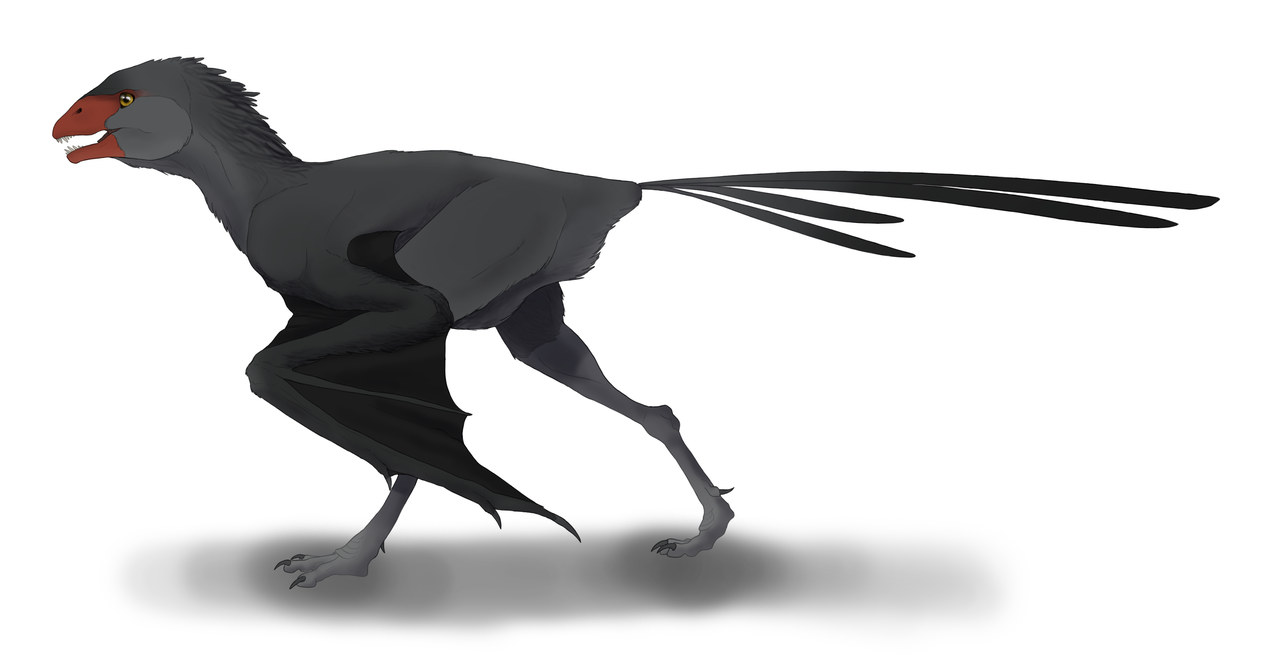
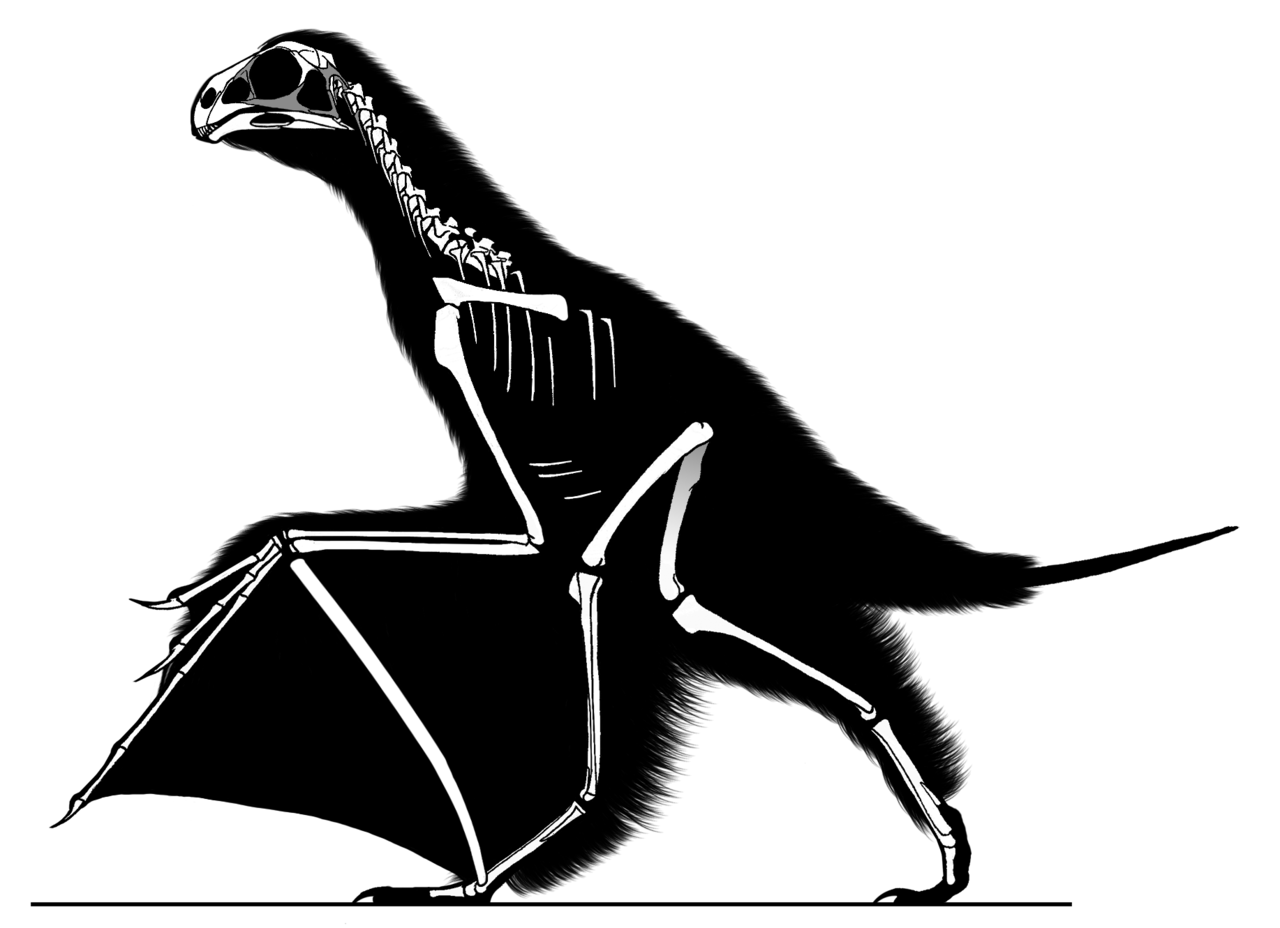
Yi combined traits seen in many small, feathered theropods with several remarkable novelties. Like relatives in its broader group, it had elongated forelimb elements and filamentous integument, but two features stand out. First, the hand shows an extremely lengthened third finger, which appears to have helped spread a wing surface. Second, a long, rodlike bone projectes from the wrist region, forming a bony strut that likely supported a membranous aerofoil. These modifications are not seen together in other dinosaurs and imply a wing architecture unlike the feathered wings of birds or the limb membranes of pterosaurs.
Wing structure and locomotion
Evidence from the fossil indicates that Yi bore a membranous, skin‑like gliding surface anchored to the forelimb and wrist bones. The membrane is commonly described as membranous and the wrist strut may have functioned similarly to the styliform element seen in some modern gliding mammals. This arrangement would have produced an aerofoil when the limb was extended, allowing controlled gliding between trees. Unlike powered flight in birds, Yi's adaptations are consistent with passive aerial locomotion — controlled descent, maneuverable glides, and perhaps short undulating leaps between branches.
Ecology and behavior
Yi is typically interpreted as an arboreal or at least partially tree‑climbing animal. Its limb proportions, claw shape, and inferred soft tissues point to a lifestyle involving climbing and gliding. Such habits would have helped it exploit canopy food resources, avoid ground predators, and move efficiently through forested environments of Jurassic China. Although gliding animals exist in many modern groups, Yi represents a distinct evolutionary experiment in aerial locomotion among theropod dinosaurs.
Discovery and scientific context
The holotype specimen was recovered from Chinese deposits of the Jurassic and described in the scientific literature following detailed study of its bones and soft‑tissue traces. Its age is reported as middle or late Jurassic from strata in Hebei Province, in eastern Asia. Because only a single adult specimen is securely known, some aspects of Yi's life appearance and behavior remain provisional and are refined as new material or analyses appear.
Significance and comparisons
Yi occupies an important place in discussions about the evolution of aerial abilities in theropods. Its combination of an elongated finger, a wrist strut, and a skin membrane sets it apart from feather‑winged paravians and from pterosaurs, indicating convergent solutions to gliding. Paleontologists compare Yi to other small gliding or winged dinosaurs and to modern gliding mammals and bats; for readability and further detail see related entries on genus classification, climbing and gliding adaptations, dinosaurs with preserved integument, and the Jurassic ecosystem context in China. Additional technical discussion touches on the fossil specimen itself (holotype), stratigraphic placement in the middle or late Jurassic, and functional interpretations of the wrist element and its possible resemblance to bat wing architecture.
Key characteristics (summary)
- Small, probably adult specimen with evidence of integument and skeletal specializations.
- Elongated third manual digit helping to support a wing surface.
- Bony styliform element arising from the wrist, unique among known dinosaurs.
- Membranous aerofoil indicated by soft‑tissue impressions, implying gliding rather than powered flight.
- Found in Jurassic deposits of Hebei, China; known from a single principal fossil.
Because Yi represents a singular, well‑preserved example of an unusual flight apparatus in dinosaurs, it continues to stimulate research into how different vertebrate groups evolved solutions for aerial movement and how soft tissues and skeletal modifications interact to produce disparate wing designs.
Questions and answers
Q: What is Yi?
A: Yi is a genus of climbing and gliding dinosaurs that lived in China during the Jurassic period.
Q: What is the only species known of Yi?
A: The only known species of Yi is Yi qi.
Q: Where was the specimen of Yi qi found?
A: The specimen of Yi qi was found in Hebei, China.
Q: How long ago did Yi live?
A: Yi lived about 160 million years ago.
Q: What kind of animal was Yi?
A: Yi was a small, possibly tree-dwelling (arboreal) animal.
Q: What is unique about Yi's elongated third finger?
A: Yi's elongated third finger helped to support a membranous gliding plane (aerofoil) made of skin.
Q: What makes Yi qi unique among all known dinosaurs?
A: Yi qi had a modified wrist bone and gliding membrane that is unique among all known dinosaurs and might have resulted in wings similar in appearance to those of bats.
Related articles
Author
AlegsaOnline.com Yi (dinosaur) — a small Jurassic climber with membranous gliding wings Leandro Alegsa
URL: https://en.alegsaonline.com/art/109840