
Yasukuni Shrine: history, role, and international controversy
Shinto shrine in Tokyo commemorating Japanese war dead since the Meiji era. It is a place of ritual and memory and a persistent focus of domestic debate and diplomatic tensions with neighboring countries.
Overview
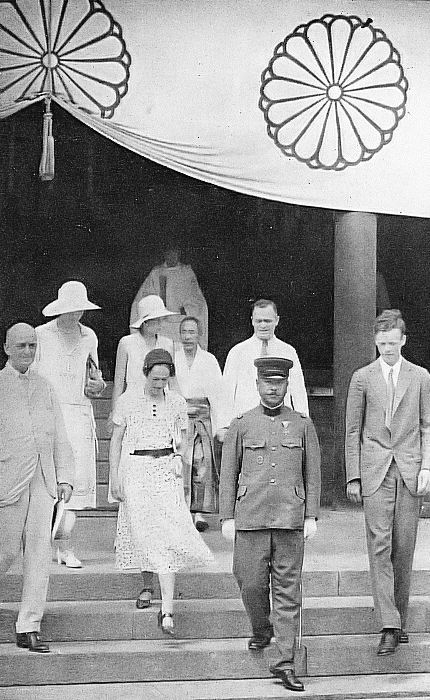
Yasukuni Shrine is a Shinto place of worship and memorial in central Tokyo. Founded in the years after the Meiji Restoration, it records by name the people who died in conflict for the modern Japanese state between 1868 and 1954—more than two million individuals are commemorated there. The shrine functions both as a religious site and as a locus for public remembrance.
Image gallery
10 Images




History and enshrinement
Established soon after 1868 to honor those who died in service to the nation, Yasukuni became an official site for state ritual during Japan's modernization. The shrine enshrines the names and kami (spirits) of the dead rather than preserving individual graves. Over time, the list of enshrined persons grew to include soldiers, sailors and others who died in a range of conflicts. The composition of names has been a central element in debates about the shrine's meaning and status; notably, the presence of certain convicted individuals described in postwar tribunals has been particularly contentious (war criminals).
Architecture, functions and rituals
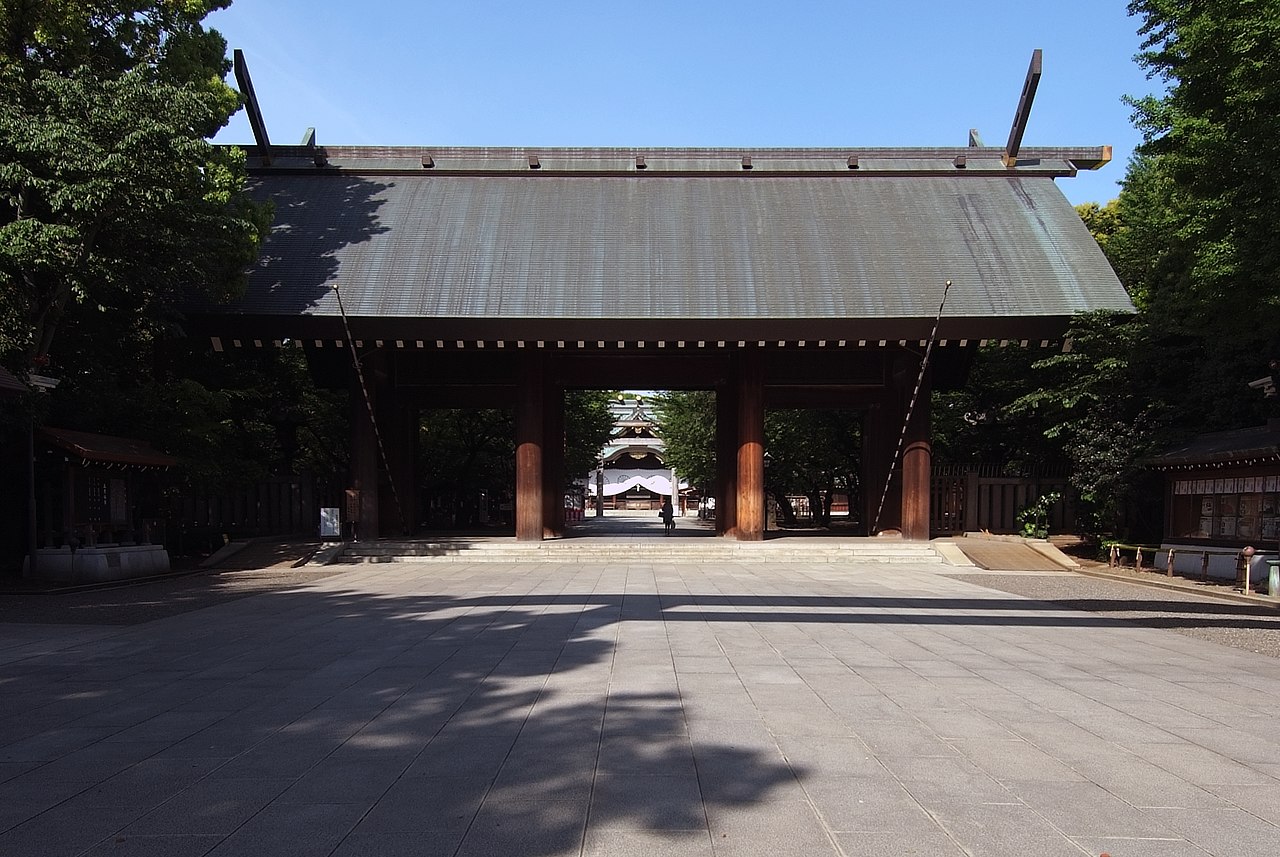
The complex includes traditional Shinto elements such as a torii gate, main sanctuary, and facilities for ceremonies. The site is used for daily rites, seasonal observances and annual memorial services. Visitors come to pay respects, offer prayers, and participate in public ceremonies. Typical activities associated with the shrine include:
- Private and public prayer rituals led by Shinto priests.
- Annual festivals and commemorative services for the war dead.
- Educational exhibits and materials that present historical narratives linked to the shrine.
Controversy and international reaction
Yasukuni's role in politics and memory has made it a flashpoint. Visits by some contemporary politicians, including notable appearances by right-wing figures, are interpreted by critics as endorsement of contested wartime conduct. Governments and publics in neighboring countries, particularly China and Korea, frequently view such visits as provocative, given historical grievances and the shrine's inclusion of individuals linked to wartime atrocities. These reactions have turned shrine-related events into recurring diplomatic issues.
Within Japan there is a range of opinion: for many the site is a solemn memorial; for others it raises questions about how history should be remembered and how religion and public office should interact. Because enshrinement is treated as a religious act, removing names is legally and ritually complex, which contributes to the enduring nature of the dispute.
As a physical and symbolic space, Yasukuni illustrates how sites of remembrance can embody competing historical narratives: it remains important for understanding modern Japanese identity, collective memory, and the diplomatic sensitivities that persist in East Asia.
For further information on religion, memorial practice and the politics of remembrance, see resources linked below and specialized studies on war memory and international relations.
Related articles
Author
AlegsaOnline.com Yasukuni Shrine: history, role, and international controversy Leandro Alegsa
URL: https://en.alegsaonline.com/art/109684