
Yahrzeit: the Jewish anniversary of a death
Yahrzeit is the annual Jewish remembrance of a close relative's death, observed on the Hebrew-calendar anniversary with prayers, a memorial candle, charity, synagogue rituals and grave visits.
Yahrzeit is the Yiddish term for the yearly observance of the anniversary of a close relative's death. The word combines yahr (year) and zeit (time); its linguistic roots are commonly explained in Germanic and Yiddish sources (etymology). In Jewish life the yahrzeit functions as a structured moment of remembrance, communal prayer and private reflection.
The date of a yahrzeit is fixed according to the Hebrew calendar and therefore usually falls on a different Gregorian date each year. Observance begins at sundown on the eve of the Hebrew date and continues through that day. Practical questions — for example when the death occurred in the month of Adar during a leap year — are handled by community practice or rabbinic guidance and vary by tradition; the general rule is to follow the Hebrew-date anniversary (Hebrew calendar).
Image gallery
10 Images


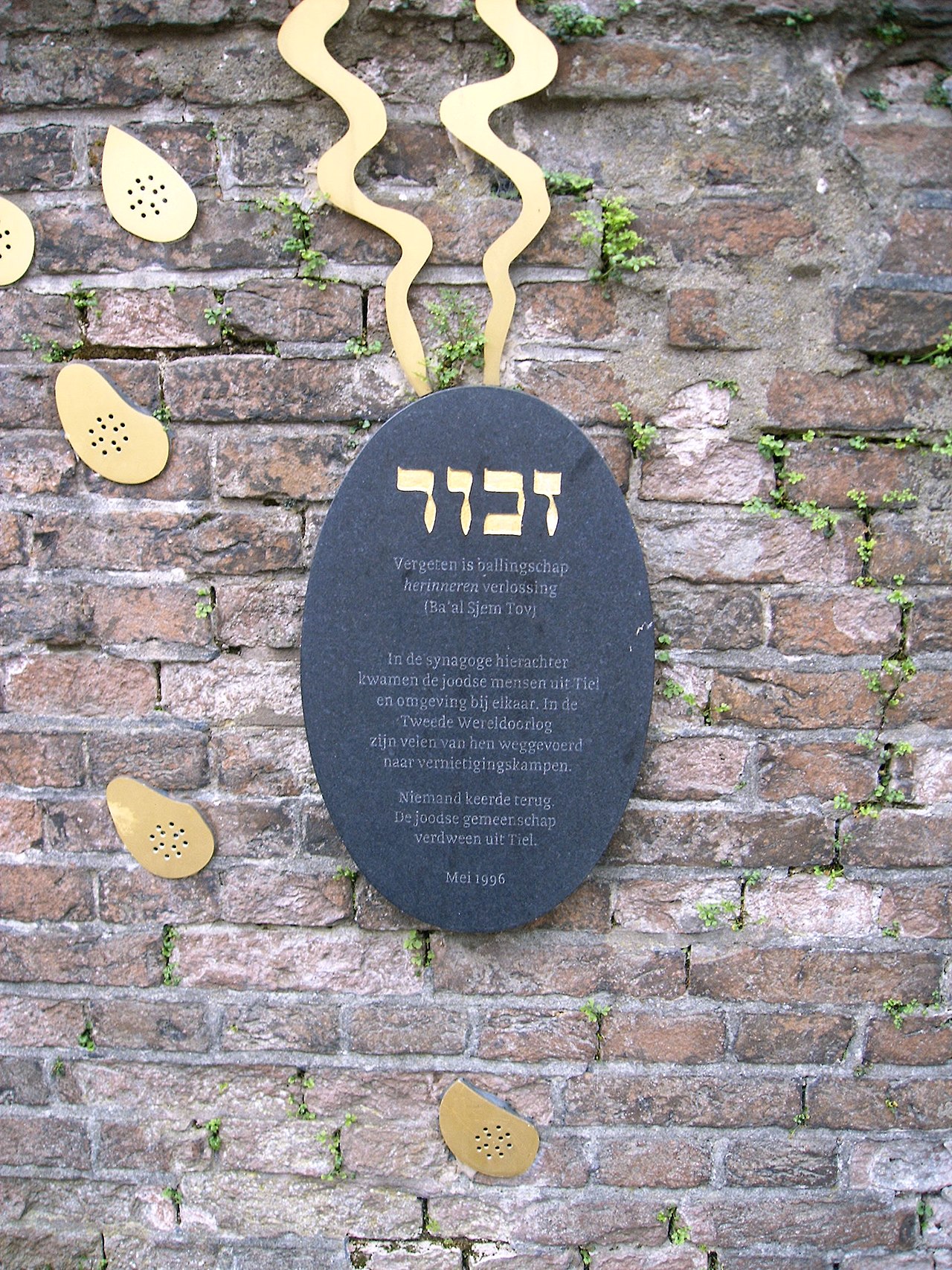
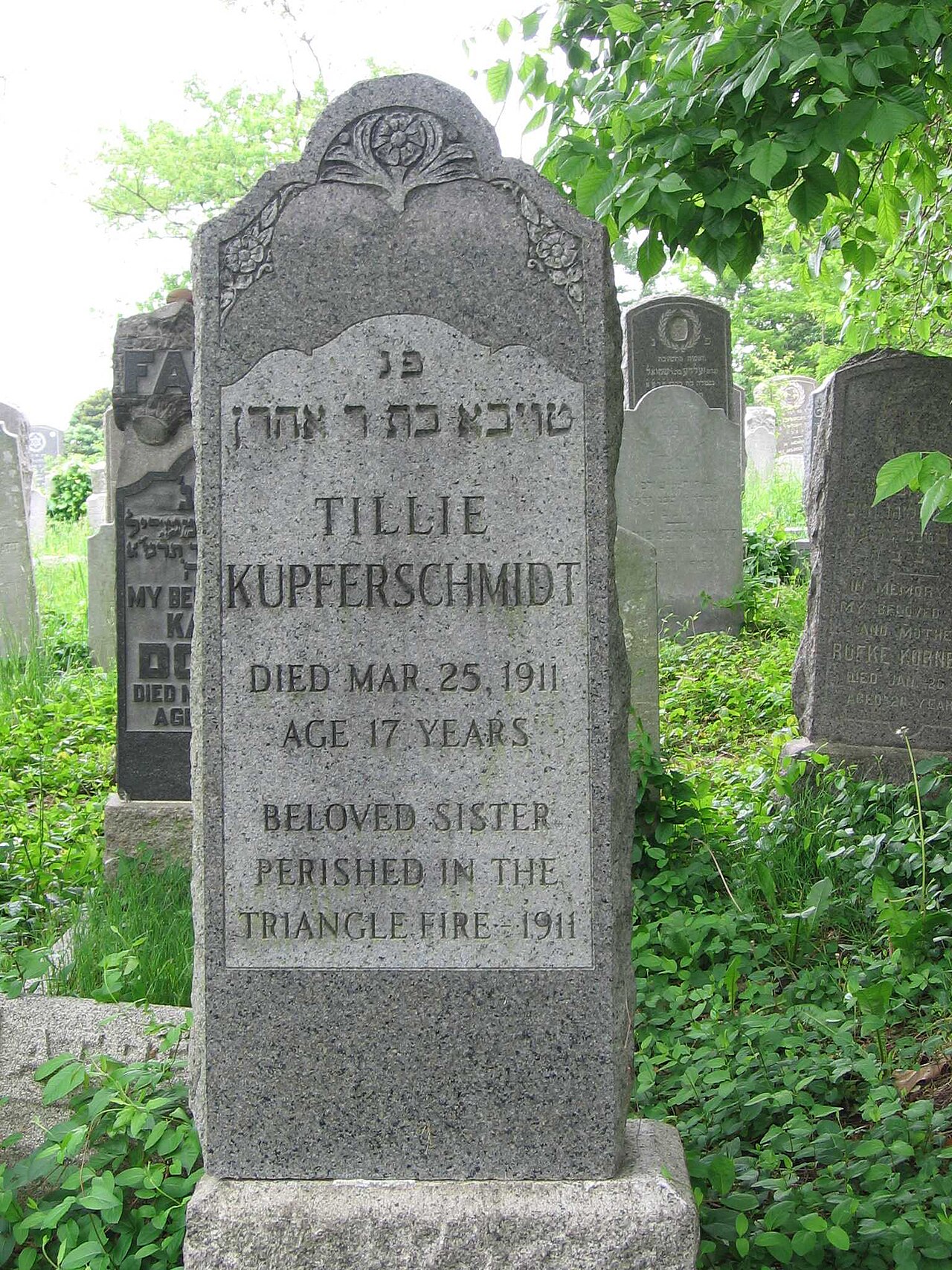


Common customs
- Lighting a memorial candle that burns for about 24 hours; this is often called a memorial candle or Yahrzeit candle and symbolizes enduring memory.
- Reciting special prayers and Psalms, and when present in synagogue the mourner may stand for the mourner's Kaddish and be named during communal prayer (Judaism).
- Visiting and tending the grave, saying prayers at the burial site, and placing small stones on the headstone as a sign of respect (grave).
- Giving to charity (tzedakah), sponsoring Torah study or acts of kindness in the deceased's memory (charity (tzedakah)).
Synagogues and families often mark yahrzeits publicly: a name may be read aloud before certain prayers, and some communities maintain memorial boards or online listings so relatives and friends can be included in communal remembrance. Many people also use the day for private reflection, sharing stories, or studying a passage of scripture in the deceased's merit.
Historically, the practice of annual memorials has biblical and post-biblical antecedents, but the specific customs associated with the modern yahrzeit developed over centuries in Jewish communities. The Ashkenazi term and many Ashkenazi customs date from medieval Europe, while Sephardi and other traditions have their own variations in wording, liturgy and practice.
There is variety in how strictly and how publicly yahrzeits are observed. Some families hold a formal ceremony in synagogue; others mark the day privately at home. Practical tips include recording the Hebrew date in a calendar converter, arranging for a candle to be lit at home or in a synagogue, and communicating with community clergy if the anniversary falls on a festival or fast day. For further reading on terminology, ritual objects and community practice see related resources (Yahrzeit candles, memorial lights, graveside practices).
Related articles
Author
AlegsaOnline.com Yahrzeit: the Jewish anniversary of a death Leandro Alegsa
URL: https://en.alegsaonline.com/art/109552