
Yom HaShoah — Israel's Holocaust Remembrance Day
Yom HaShoah (27 Nisan) is Israel's national day of Holocaust remembrance, honoring victims and resistance with state ceremonies, a nation-wide siren, survivor testimony and communal acts of memory.
Overview
Yom HaShoah (Hebrew: יום השואה, literally "Day of the Catastrophe") is Israel's principal day for remembering the Holocaust. It is observed mainly in Israel but has wide recognition and accompanying services among Jewish communities around the world. The day focuses on honoring victims, commemorating acts of resistance, and teaching subsequent generations about the events and consequences of the Nazi era.
Image gallery
8 Images




Date and origins
Yom HaShoah falls on the 27th day of Nisan in the Jewish calendar, a date that usually occurs in April or May on the civil calendar. The date was selected to evoke the Warsaw uprising against the Nazis, a central act of Jewish resistance during World War II that began in the Warsaw Ghetto (ghetto refers here to the wartime Jewish quarter). The formal establishment of Yom HaShoah took place in the decades after the war as the new State of Israel and Jewish organizations sought a national day dedicated to remembrance, though the choice of date and form of commemoration generated discussion and differing views.
Typical observances
Public and private observances combine religious, civic and educational elements. A short national list of common practices includes:
- A nationwide moment of silence marked by a siren or bell during which many people stand still to remember.
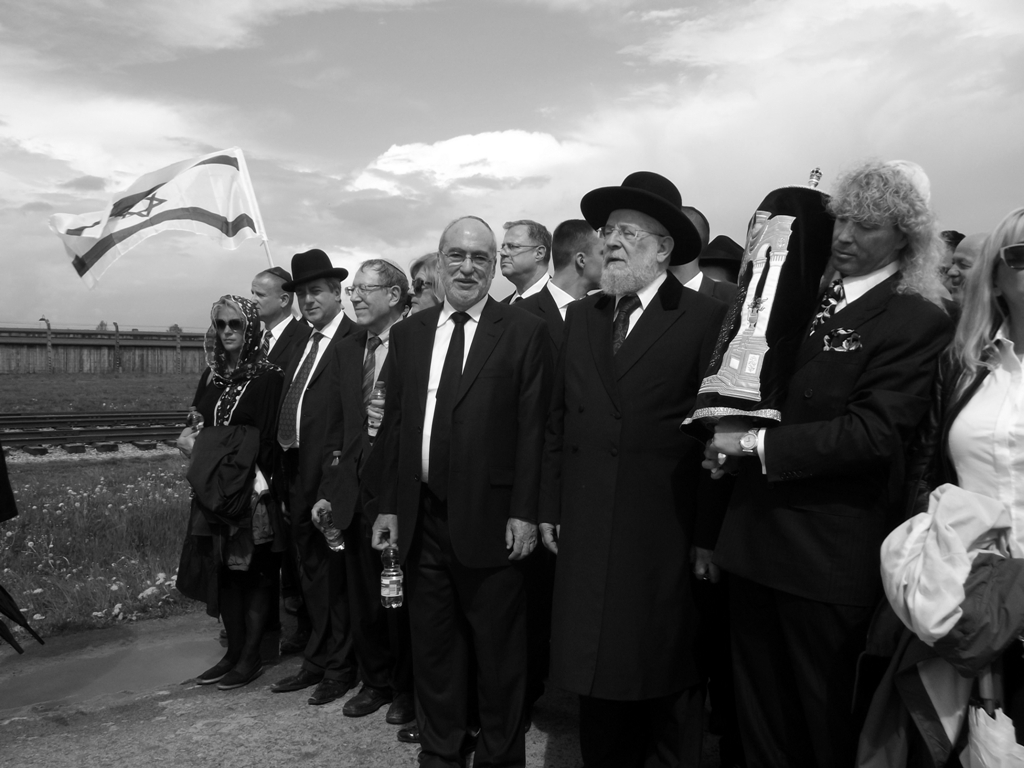
- Official ceremonies at memorial sites and museums, including readings of names and laying of wreaths.
- Survivor testimony and classroom programs aimed at younger generations to preserve memory and history.
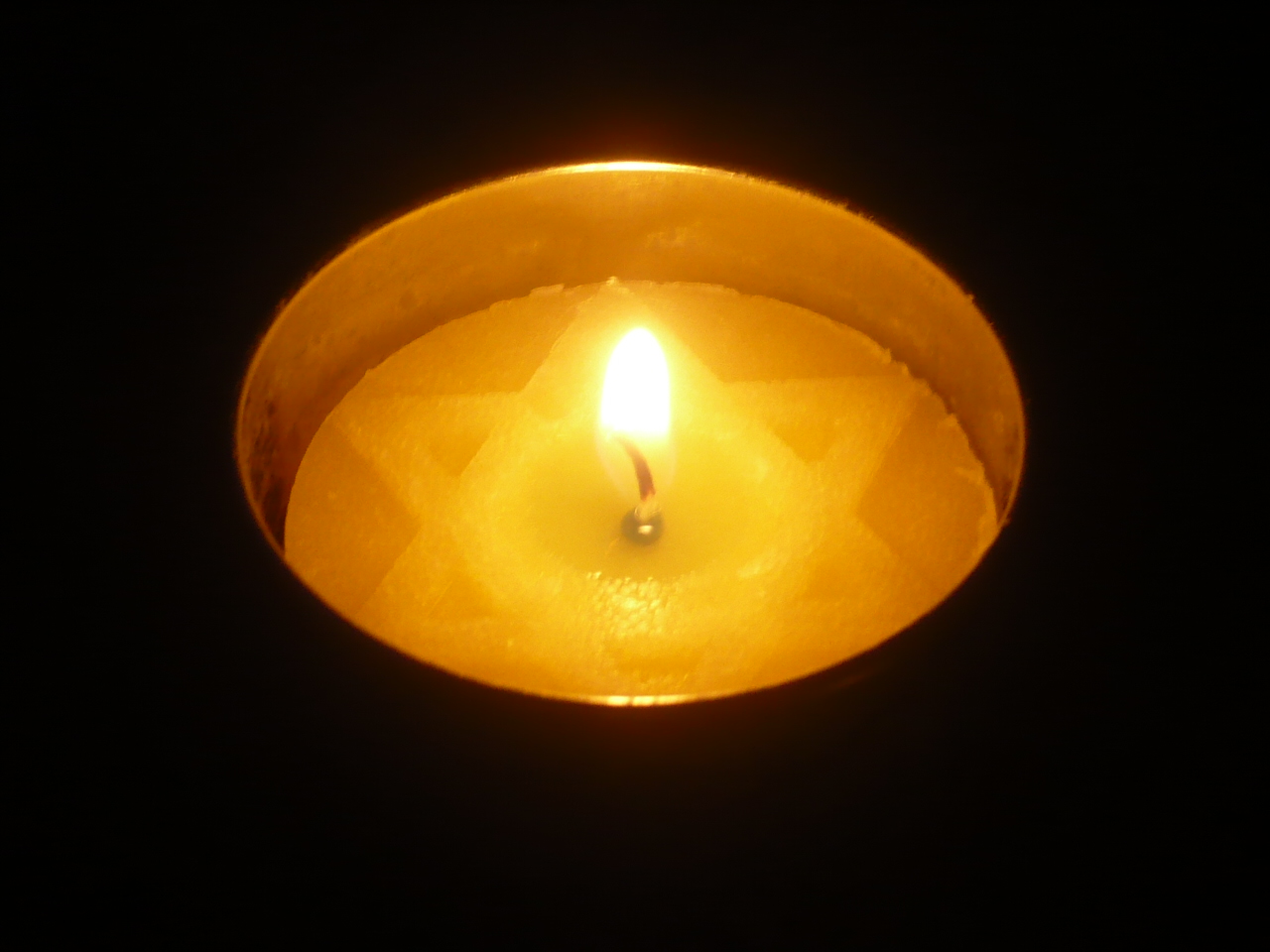
- Private synagogue services, recitation of memorial prayers, and lighting memorial candles in homes and communities.
International context
While Yom HaShoah is Israel's national Holocaust day, other dates are used elsewhere. Internationally, January 27 is observed by many countries as Holocaust Remembrance Day in memory of the liberation of Auschwitz; this is distinct from the Israeli date and reflects efforts to remember the Holocaust in different historical and civic frameworks. Jewish communities outside Israel often mark both the international day and Yom HaShoah, adapting ceremonies to local traditions.
Significance and continuing debate
Yom HaShoah serves multiple purposes: a solemn memorial for the dead, a platform for survivors' voices, and an educational focal point intended to combat denial and indifference. Over time debates have continued about the best way to commemorate—whether to emphasize religious mourning, secular national remembrance, or themes of rescue and resistance—reflecting diverse communal experiences and priorities. Regardless of variation in practice, the day remains central to contemporary efforts to keep the memory of the Holocaust alive and to connect that memory to broader lessons about human rights and civic responsibility.
For further reading and primary resources, consult national archives, museum collections and survivor testimony projects maintained by organizations in Israel and around the world.
Related articles
Author
AlegsaOnline.com Yom HaShoah — Israel's Holocaust Remembrance Day Leandro Alegsa
URL: https://en.alegsaonline.com/art/109916