
XLR connector
A durable, locking electrical connector widely used in professional audio for balanced signals, microphone connections, digital audio (AES/EBU), lighting (DMX) and other pro AV applications.
Overview
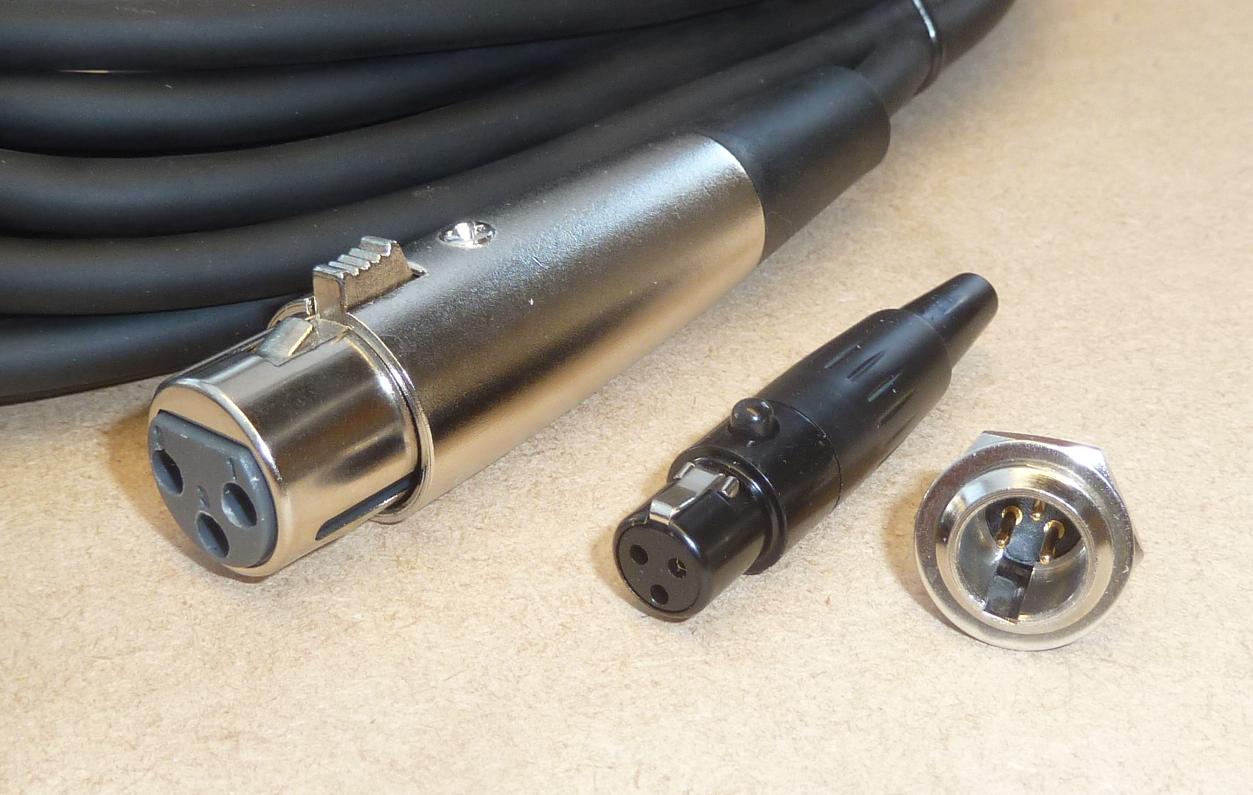
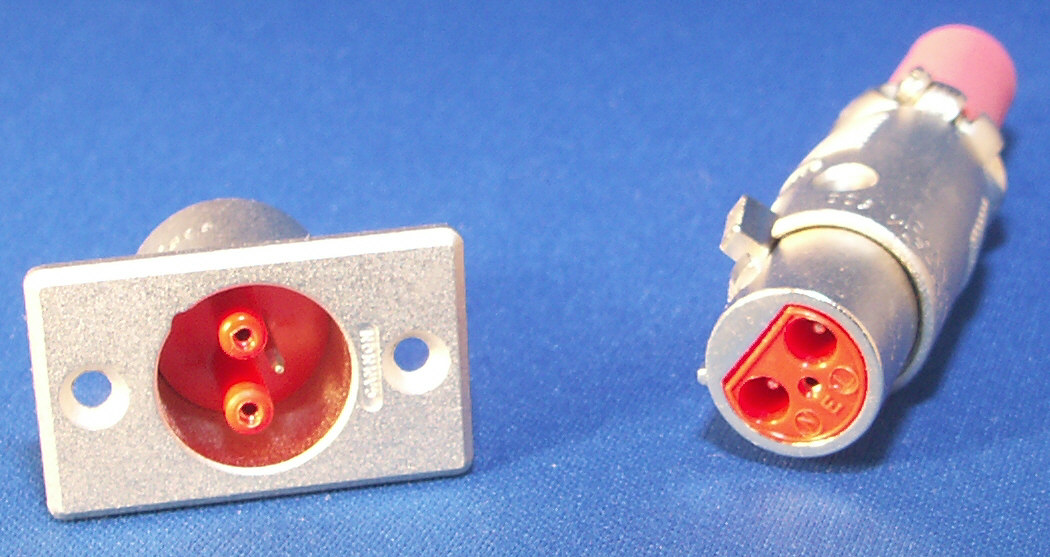
The XLR connector is a family of circular electrical connectors most commonly found in professional audio and pro‑AV installations. It is prized for a robust metal shell, a positive locking mechanism, and wiring that supports balanced signals which greatly reduce noise on long cable runs. XLR connectors are standard on microphones, mixing consoles, outboard gear, and many stage and broadcast systems; they are also used for certain lighting and digital audio standards such as DMX and AES/EBU. For more general context about audio standards see audio technology.
Image gallery
9 Images





Design and pin assignments
Most familiar is the three‑pin XLR. The conventional wiring is:
- Pin 1: ground/shield
- Pin 2: positive (hot)
- Pin 3: negative (cold)
This arrangement lets two signal conductors carry equal and opposite voltages relative to ground; differential receivers reject common‑mode noise. The connector exists in male and female forms; the gender denotes pins versus sockets and manufacturers follow standard input/output practices. When researching balanced versus unbalanced wiring, see balanced circuits.
Variations and related types
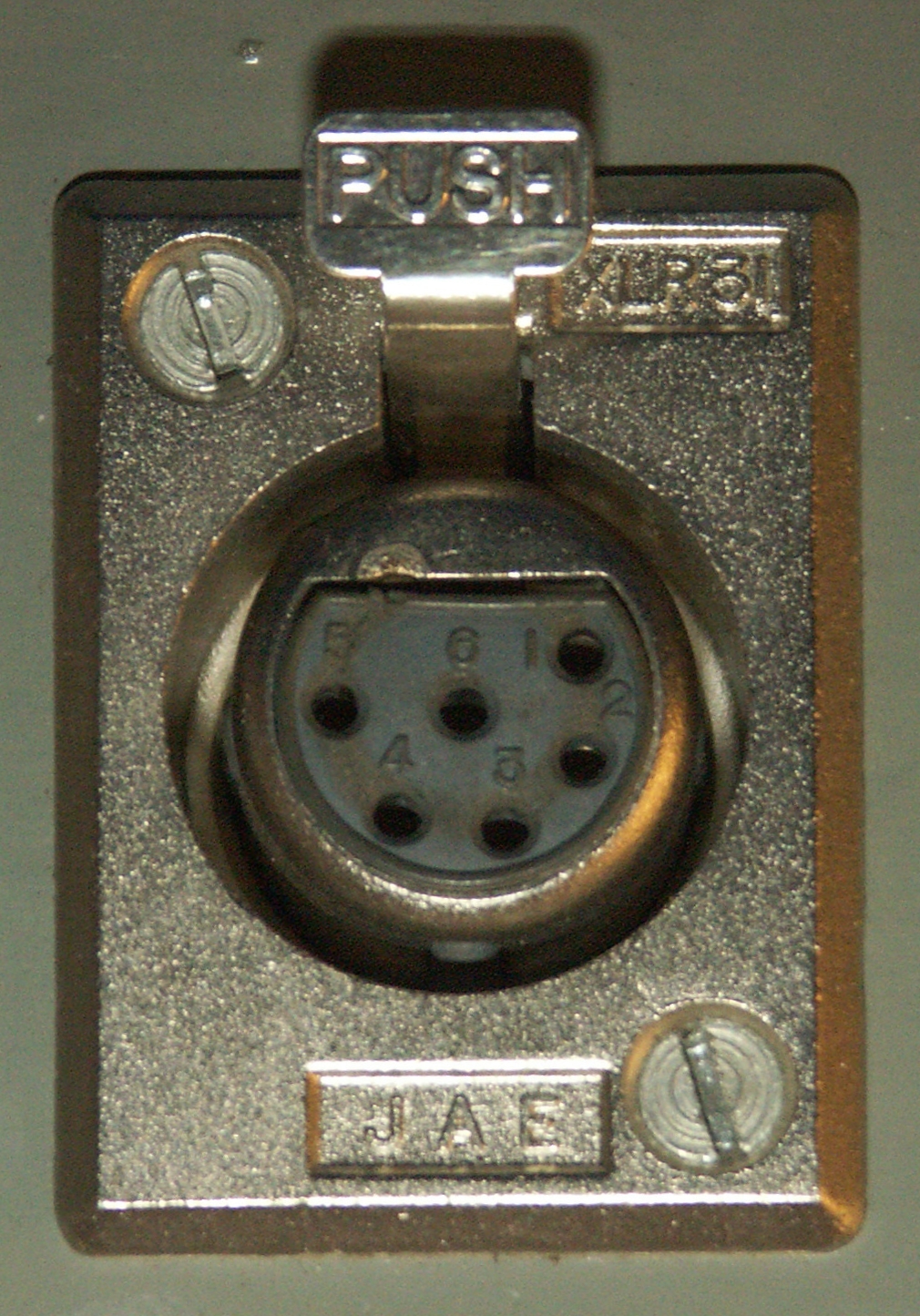
XLR housings are made with different numbers of pins depending on application. Common variants include 3‑pin (audio, AES/EBU), 4‑pin (intercom power), and 5‑pin (DMX lighting and specialized stereo or control lines). Higher pin counts appear in broadcast and military gear. The XLR family includes ruggedized versions for stage use and compact variants for tight spaces. For wiring and signal examples consult resources on balanced and unbalanced audio connections.
History and name
The connector originated in the mid‑20th century and became ubiquitous as pro audio moved toward standardized, low‑noise connections. The familiar acronym "XLR" has historical roots in the original manufacturer's series name and mechanical improvements: early models were the X series, later fitted with a latching mechanism (L) and rubber compound strain reliefs (R). The result was a durable connector that outperformed many alternatives in live and studio contexts.
Uses and practical notes
XLR is the default for microphones because a mic-level signal is low amplitude and particularly vulnerable to interference; balanced XLR wiring plus proper shielding preserves signal quality. XLR is also used for line‑level signals, outboard gear, stage snakes, and digital audio links (AES/EBU). Some condenser microphones require phantom power, a DC bias commonly supplied over XLR pins 2 and 3 from mixing consoles or preamps—see equipment manuals regarding phantom power and safe wiring practices.
Distinctions and comparisons
Compared with unbalanced connectors such as RCA or consumer 1/4" TS, XLR offers locking retention, a true balanced circuit, and better immunity to electromagnetic interference—advantages that suit professional installations. For compact or consumer setups, TRS and RCA remain common, but where long cable runs or stage reliability are required, XLR is preferred. Further differences and practical advice can be found in guides to sound equipment, microphone tips, and signal wiring references.
Related articles
Author
AlegsaOnline.com XLR connector Leandro Alegsa
URL: https://en.alegsaonline.com/art/109501