
Noise (music)
Noise music is an experimental practice that foregrounds non-musical sounds and timbre over traditional melody and rhythm; it intersects composition, performance and sound art.
Noise music is an umbrella term for experimental practices in which noise and unconventional sounds are the primary materials. Rather than centering conventional melody, harmony or steady meter, practitioners use texture, timbre, and raw acoustic or electronic disturbances to create works that question what qualifies as music. Many artists describe the field as overlapping with sound art and experimental composition, and it appears across concert settings, galleries and independent recordings.
Image gallery
5 Images



Characteristics
- Focus on timbre and texture: sound qualities such as hiss, buzz, crackle and feedback are sculpted and foregrounded rather than treated as background noise.
- Use of non-musical sources: field recordings, found objects and manipulated electronics supply the primary material; some artists deliberately incorporate industrial sounds or mechanical noise (noise).
- Minimal reliance on melody or rhythm: many works minimize or abandon conventional melody and regular rhythm, exploring continuity, density and contrast instead.
- Extended techniques and electronics: amplified instruments, circuit-bent devices, feedback loops, granular synthesis and tape manipulation are common tools.
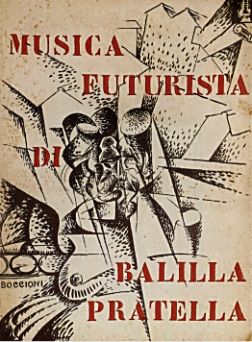
Historically, the movement to treat noise as artistic material has roots in the early twentieth century. Italian Futurists and figures such as Luigi Russolo argued that industrial sounds belonged in modern composition; Russolo's 1913 ideas are often cited as an early manifesto. Over the following decades related currents developed in musique concrète, postwar experimental music, and later in industrial, noise rock and underground electronic scenes that expanded the vocabulary and performance practices. See discussions of these early moments from the early 1910s through the postwar period.
Performance and production
Live presentations range from quiet, meditative works for amplified found objects to intense, high-volume concerts built around distortion and physical vibration. Studio practice can include layering of field recordings, extreme equalization, feedback harnessing, and digital processing. Many practitioners collaborate with visual artists and install sound pieces in galleries; this cross-disciplinary approach helps explain why some sources refer to noise music as sound art in curatorial contexts.
Noise music has influenced wider cultural practices: it informs certain strands of electronic music, experimental rock, film sound design and acoustic ecology, and it raises questions about the line between unwanted environmental noise and intentional sonic expression. Debates persist about aesthetics, accessibility and the role of disruption in art, so the category remains broad and contested. For perspectives on how artists and critics treat noisy material within artistic discourse, see resources linked under sound.
The term encompasses many subgenres and approaches—harsh noise, power electronics, noise rock, ambient-noise hybrids—each with different norms and audiences. While often challenging, noise music also opens new possibilities for listening by foregrounding the physical and social dimensions of sound.
Related articles
Author
AlegsaOnline.com Noise (music) Leandro Alegsa
URL: https://en.alegsaonline.com/art/70567