
Year 2000 problem (Y2K)
The Year 2000 problem (Y2K) was a computer date-handling bug that prompted global remediation efforts before 1 January 2000 and largely prevented major failures.
Overview
The Year 2000 problem, commonly called Y2K or the millennium bug, arose because many older computer systems stored years with only two digits. When the calendar rolled from 1999 to 2000, those systems could treat the year "00" as 1900 rather than 2000, producing incorrect date calculations, comparisons and outputs. Concern focused on systems that performed critical date-dependent functions, such as financial interest computations, scheduling, and logging. Discussion and technical reviews of the issue are available in contemporary technical reports and government advisories (advisory summaries).
Image gallery
6 Images


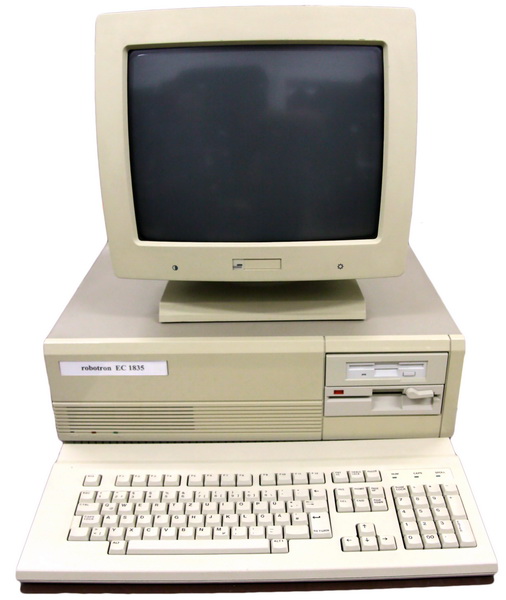
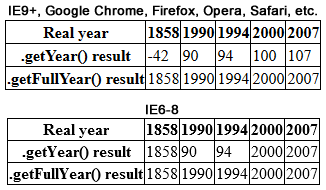
Causes and technical characteristics
Two-digit year fields saved memory and storage in early computing environments, a common practice from mainframes to embedded controllers. The problem could appear as subtle logic errors or as visible failures when software assumed a chronological order that the two-digit format could not represent. Typical manifestations included incorrect age calculations, mis-sorted records, and failures in time-stamped logs. Some hardware and firmware also contained date logic that required patching or replacement. Historical discussions and analyses of these technical aspects can be found in archived industry papers and case studies (case collections).
Response and remediation
Organizations responded with a mix of approaches: auditing code and databases, applying patches, rewriting date routines, and in some cases using "windowing" (interpreting two-digit years within a defined 100-year range). Testing, contingency planning and coordination across suppliers were central to preparedness. Governments and private sector groups published guidelines and coordinated checks; many of these planning resources were circulated via official guidelines and vendor communications (vendor advisories). Large-scale testing exercises and migration programs became common in the late 1990s.
Impact and outcomes
Because of the widespread remediation effort, the transition to the year 2000 produced relatively few major failures. Isolated, localized incidents did occur, especially in legacy equipment and poorly tested systems, but the anticipated systemic collapses did not materialize on a large scale. The effort had other effects: it increased attention to software lifecycle practices, asset inventories and dependency mapping, and it stimulated demand for testing and systems-integration services. Contemporary news coverage, analysis and retrospective summaries document these outcomes (media archive, postmortem reviews).
Lessons and legacy
Y2K is often cited as an example of preventive risk management for complex infrastructure. It highlighted how design shortcuts made for resource constraints can create long-term risks and how coordinated, prioritized remediation can avert widespread disruption. The episode influenced later approaches to software maintenance, legacy modernization and date-handling standards. For further reading and archival material, see historical resources.
Quick reference
- Problem: Two-digit year representation leading to ambiguity when 1999 rolled to 2000.
- Common fixes: Code patches, date-field expansion, windowing and hardware upgrades.
- Result: Extensive remediation and testing limited major failures at the millennium.
Note: This article summarizes broadly known facts about the Y2K issue and its global response. It emphasizes causes, countermeasures and the overall outcome without attempting to catalog every localized incident.
Related articles
Author
AlegsaOnline.com Year 2000 problem (Y2K) Leandro Alegsa
URL: https://en.alegsaonline.com/art/109726