
WrestleMania 29 — WWE's 2013 flagship event at MetLife Stadium
WrestleMania 29 (April 7, 2013) was WWE's 29th annual show, held at MetLife Stadium in East Rutherford, New Jersey. The card featured headline matches with John Cena, The Rock, Undertaker, CM Punk, Triple H and Brock Lesnar.
WrestleMania 29 (often written WrestleMania XXIX) was the twenty-ninth edition of WrestleMania, the annual marquee event produced by WWE. It took place on April 7, 2013 at MetLife Stadium in East Rutherford, New Jersey. The event continued the long tradition of staging WWE's biggest show of the year in a major outdoor stadium and represented the fifth WrestleMania held in the New York metropolitan area and the third in the state of New Jersey. As a major live spectacle, WrestleMania combines live sports entertainment with large-scale production, celebrity appearances and national media attention.
Image gallery
8 Images


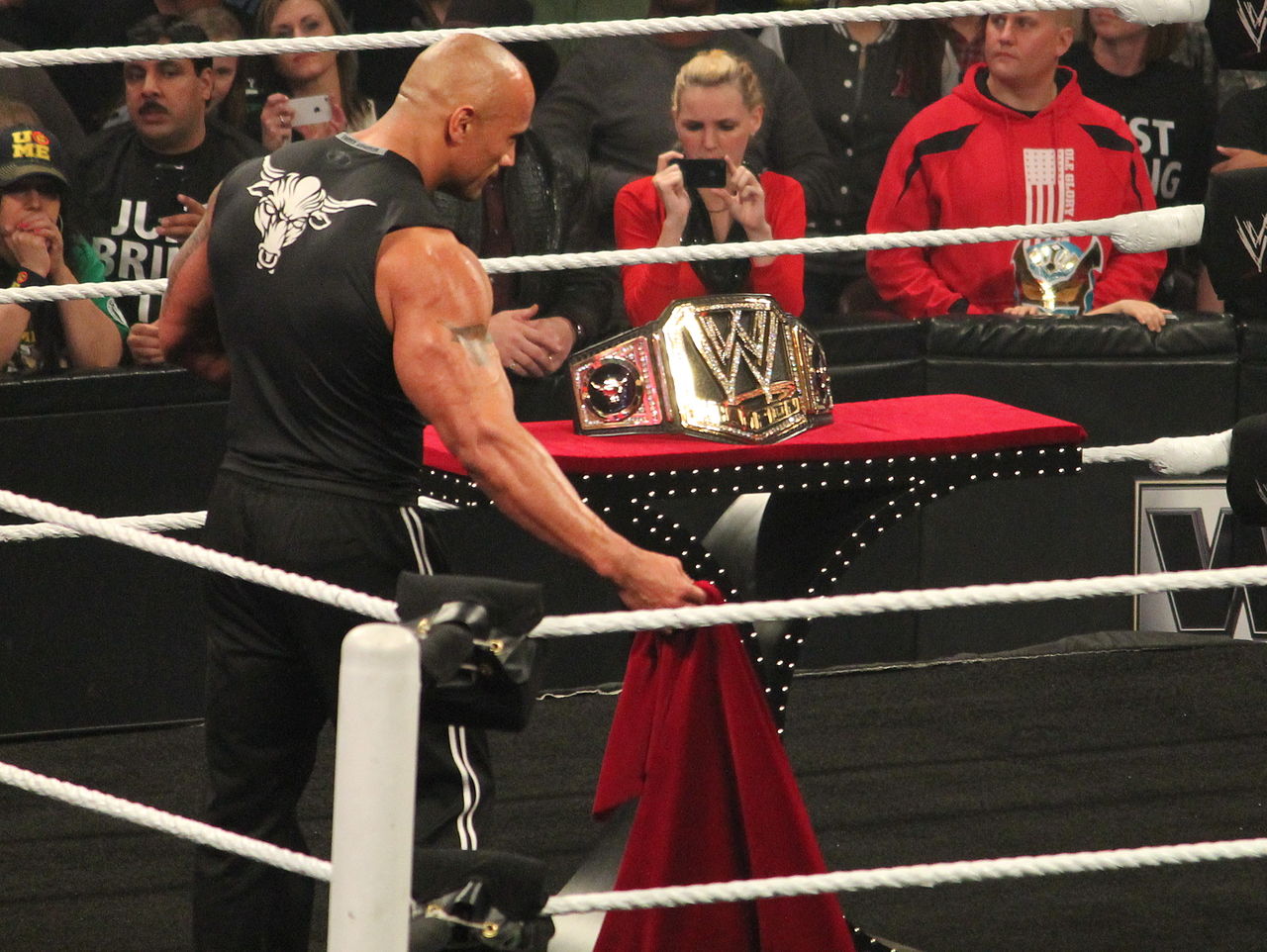

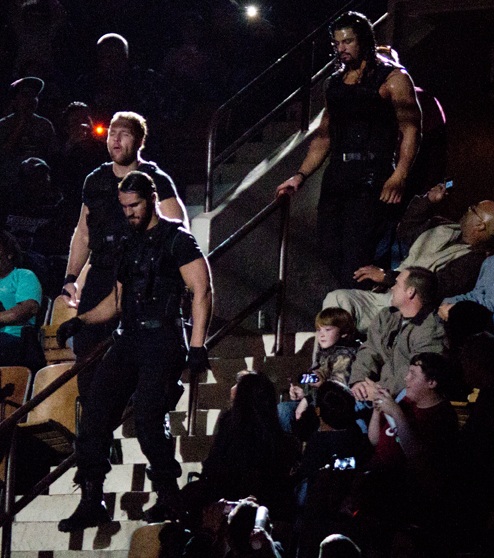

Overview and card highlights
The card included several high-profile bouts and storyline culminations. The headline match was a rematch between John Cena and The Rock, following their first WrestleMania encounter the year before. Other prominent matches included a clash involving The Undertaker, a match with Brock Lesnar and Triple H, and undercard matches featuring established and rising WWE talent. The event was offered as a pay-per-view presentation and was promoted across WWE programming in the months leading up to April.
Notable matches and outcomes
- WWE Championship: John Cena vs. The Rock — a high-profile rematch that saw John Cena defeat The Rock to claim the WWE Championship and cap a long-running rivalry.
- The Undertaker vs. CM Punk: The Undertaker extended his longstanding WrestleMania undefeated streak by defeating CM Punk, adding to the match's historic context.
- World Heavyweight Championship: Triple H faced Brock Lesnar in a hard-hitting match that received attention for its physical intensity and storytelling.
Beyond the main matches, the show included other televised bouts and several segments intended to advance ongoing storylines. One scheduled match — an eight-person mixed tag team encounter pitting a team led by Brodus Clay and Tensai against a team involving Cody Rhodes and Damien Sandow — was removed from the finalized broadcast due to time constraints; that change was noted by fans and media. That planned encounter had also featured valet performers including The Bella Twins and others.
Background and production
WrestleMania serves as WWE's flagship annual event and often functions as the culminating chapter for major storylines produced on weekly programs. The build to WrestleMania 29 involved television promos, celebrity tie-ins, and special live events. Staging the show at MetLife Stadium allowed WWE to present an outdoor spectacle with elaborate staging, pyrotechnics, and a large live audience—elements that have come to define modern WrestleMania presentations. The company emphasized the rematch narrative between its two biggest mainstream personalities, using television and press appearances to heighten interest.
Reception and legacy
WrestleMania 29 received mixed-to-positive reactions from critics and fans. The rematch between The Rock and John Cena drew significant mainstream attention, while The Undertaker's victory reinforced the cultural importance of his WrestleMania streak among long-time viewers. The Triple H–Brock Lesnar encounter was widely discussed for its physicality. The event also illustrated the logistical challenges of running a long live card in a stadium setting—hence the omitted match—and highlighted the commercial scale of modern professional wrestling pay-per-view and live gate operations.
Context and notable facts
- This WrestleMania continued a pattern of alternating stadium shows and indoor arena events that WWE uses to grow the spectacle and attendance for its flagship show.
- The event reinforced WrestleMania's role as a culmination point for long-term booking and mainstream crossover promotion, as well as a major date on WWE's annual calendar.
- Post-event storylines and title changes from WrestleMania 29 affected WWE programming in the months that followed, shaping feuds and character directions across television and live events.
For further reading about the history and cultural place of this event within professional wrestling, see sources on professional wrestling and the annual development of WrestleMania. Coverage and archival listings for the 2013 show are available from contemporary sports and entertainment outlets as well as WWE's own historical materials.
Related articles
Author
AlegsaOnline.com WrestleMania 29 — WWE's 2013 flagship event at MetLife Stadium Leandro Alegsa
URL: https://en.alegsaonline.com/art/109185
Sources
- wwe.com : "WrestleMania press conference electrifies at MetLife Stadium"
- nj.com : "WrestleMania 29 to be held in New Jersey at MetLife Stadium"
- pwtorch.com : "Clay & Tensai comment on match cut from WM29"
- wwe.com : "The Miz def. Intercontinental Champion Wade Barrett (Interactive Pre-Show Match)"
- wwe.com : "The Shield def. Randy Orton, Big Show & Sheamus"
- wwe.com : "Mark Henry def. Ryback"
- wwe.com : "WWE Tag Team Champions Team Hell No def. Dolph Ziggler & Big E Langston"
- wwe.com : "Fandango def. Chris Jericho"
- wwe.com : "World Heavyweight Champion Alberto Del Rio def. Jack Swagger"
- wwe.com : "The Undertaker def. CM Punk"
- wwe.com : "Triple H def. Brock Lesnar (No Holds Barred Match; If Lesnar won, Triple H would have had to retire)"
- wwe.com : "John Cena def. WWE Champion The Rock"