
WrestleMania 33 — WWE's 2017 flagship event in Orlando
WrestleMania 33 was WWE’s 2017 flagship professional wrestling pay‑per‑view held at Camping World Stadium in Orlando, notable for its headline matches, storyline conclusions and entertainment crossovers.
Overview
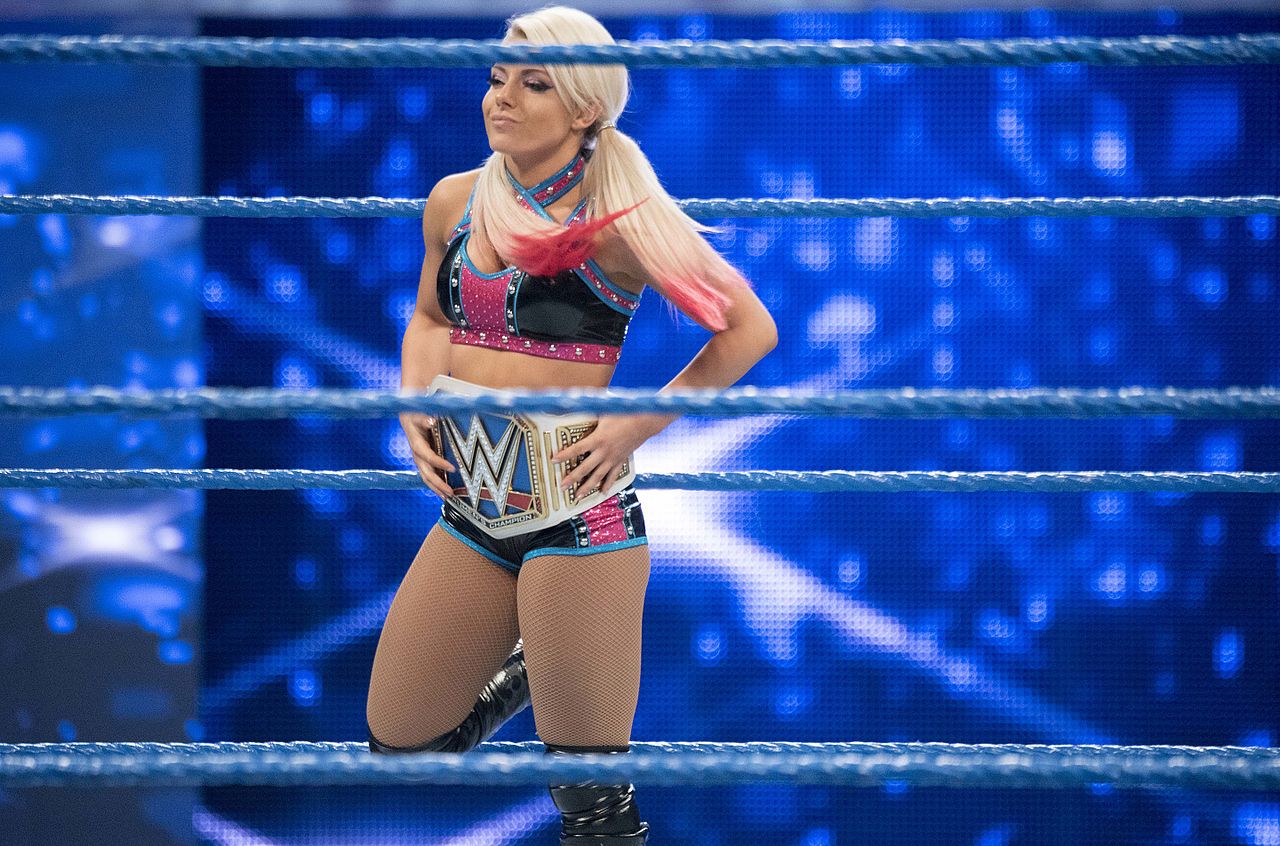
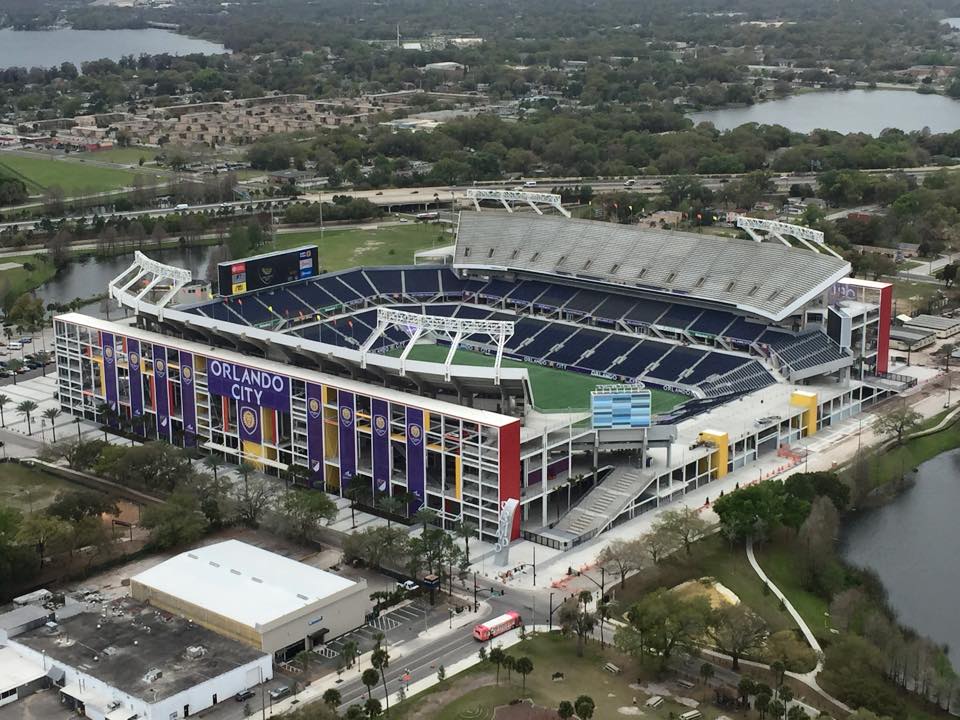
WrestleMania 33 was the thirty‑third edition of WWE’s annual showcase, promoted as the company’s biggest spectacle of the year. The event was presented as part of the long running WrestleMania series and featured performers from the WWE roster in what the company classifies as professional wrestling entertainment. It was broadcast on traditional Pay‑Per‑View platforms and WWE’s own streaming service, and took place at Camping World Stadium in Orlando, Florida on April 2, 2017.
Image gallery
9 Images




Build‑up and key storylines
The card was shaped by the major winter events that precede WrestleMania. The outcome of the Royal Rumble set up one headline contender: the winner, Randy Orton, earned the right to challenge for a world title at WrestleMania, an incentive often referred to as winning the Royal Rumble match. Early‑year pay‑per‑views such as the Elimination Chamber further altered title pictures—most notably a period in which the Bray Wyatt character re‑entered the world title scene and was involved in the WWE Championship picture.
Card composition and featured matches
The show combined traditional singles title matches with multi‑person and celebrity‑driven bouts. Several advertised headline contests involved the company’s top championships, including matches for the WWE Universal Championship and the WWE Championship. International wrestlers and hard‑booking rivalries were mixed with spectacle: established stars such as Goldberg and Brock Lesnar were central to the event’s promotion, while feuds and tiebreaker matches resolved earlier ambiguous finishes. One undercard angle involved a disputed over‑the‑top‑rope elimination that led to a singles contest determining a title challenger, featuring performers like Luke Harper.
Production, location and presentation
Camping World Stadium hosted its second WrestleMania, continuing Florida’s history as a frequent WrestleMania state; the 2017 edition was the third time the event was staged in Florida. The event blended in‑ring competition with theatrical segments, celebrity appearances and large production elements designed to fill a stadium setting. WWE drew on cross‑promotional moments and past WrestleMania references—comparisons to WrestleMania 32 and other prior editions were common in marketing—to emphasize continuity and spectacle.
Celebrity involvement and mainstream attention
In keeping with WrestleMania tradition, the promotion incorporated mainstream personalities to broaden appeal. A high‑profile celebrity who had previously appeared on the WrestleMania stage, Shaquille O'Neal, and veteran onscreen character Big Show both figured into storylines in the months before the event, generating mainstream headlines and social‑media attention. These segments are typical of WrestleMania’s strategy to mix athletic contest with pop‑culture spectacle.
Significance and legacy
WrestleMania 33 is remembered as a major annual installment that combined athletic matches, storyline payoffs and celebrity moments. It served as a pivot point for several long‑running feuds and provided a stage for talent consolidation heading into the following season. As with other WrestleMania events, reactions from critics and fans focused both on in‑ring performance and on how successfully WWE balanced competitive matches with entertainment elements. For further context on the event, background and match results, see contemporary coverage and official WWE summaries available online.
- Event: WrestleMania
- Key contender: Randy Orton
- Notable performers: Goldberg, Brock Lesnar, Bray Wyatt
- Preceding shows referenced: Royal Rumble, WrestleMania 32
Questions and answers
Q: When is WrestleMania 33?
A: WrestleMania 33 will take place on April 2, 2017.
Q: Where is WrestleMania 33 taking place?
A: WrestleMania 33 will be held at the Camping World Stadium in Orlando, Florida.
Q: Who won the Royal Rumble match for a world championship match at WrestleMania 33?
A: Randy Orton won the Royal Rumble match for a world championship match at WrestleMania 33.
Q: What title is Goldberg fighting for at Fastlane on March 5, 2017?
A: Goldberg is fighting for the WWE Universal Championship at Fastlane on March 5, 2017.
Q: Who are AJ Styles and Luke Harper competing against in a match on SmackDown on February 28th?
A: AJ Styles and Luke Harper are competing against each other in a match on SmackDown on February 28th with the winner going to fight Bray Wyatt at WrestleMania.
Q: What type of match did Shaquille O'Neal challenge Big Show to after their confrontation after Wrestlemania 32?
A: After their confrontation after Wrestlemania 32, Shaquille O'Neal challenged Big Show to an Airplane Match - where the first wrestler to fall off the airplane would lose - as well as a Contract vs Career Match - where if Shaq beat Show he would become a full time wrestler of WWE and Show would be forced to leave WWE.
Related articles
Author
AlegsaOnline.com WrestleMania 33 — WWE's 2017 flagship event in Orlando Leandro Alegsa
URL: https://en.alegsaonline.com/art/109188