
WrestleMania III: 1987 Supercard at the Pontiac Silverdome
WrestleMania III was the 1987 World Wrestling Federation supercard held at the Pontiac Silverdome, noted for its record indoor attendance, headline matches and lasting influence on professional wrestling's mainstream reach.
Overview
WrestleMania III was the third annual flagship event promoted by the World Wrestling Federation (WWF) and took place on March 29, 1987. Staged as part of the company’s national expansion during the 1980s, the show combined theatrical presentation, celebrity promotion and a high-profile match card to generate broad popular interest. It is often recalled both for its spectacle and for a handful of matches that became iconic within wrestling culture.
Image gallery
3 Images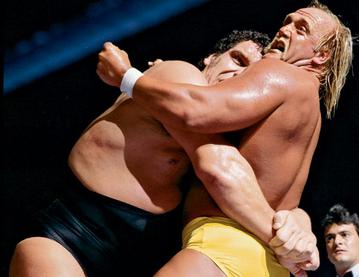


Venue, attendance and broadcast
The event was held at the Pontiac Silverdome in Pontiac, Michigan. The WWF reported an attendance figure of 93,173, a number commonly cited as the largest recorded attendance for a live indoor sporting event in North America, though that figure has been discussed and debated by historians and journalists. The show was distributed through closed-circuit screenings and pay-per-view outlets; nearly one million viewers attended closed-circuit locations across North America, and pay-per-view and closed-circuit revenues together made the event a major commercial success for the promotion.
Main card and marquee matches
WrestleMania III's reputation rests largely on two headline encounters that received substantial media and fan attention. The main event saw Hulk Hogan face Andre the Giant in a singles match; the closing moments, including a celebrated body‑slam by Hogan, were widely presented as a defining pop-culture image of the period. Another match on the undercard between Randy "Macho Man" Savage and Ricky "The Dragon" Steamboat for the Intercontinental Championship earned critical praise for its athleticism, pacing and narrative, and is frequently listed among the finest professional wrestling matches of its era.
Supporting card and presentation
Beyond the headline bouts, the card included a mix of singles, tag team and special attraction matches designed to appeal to a broad audience. Production values emphasized large-scale staging, entrance theatrics and clear visual storytelling to suit both the live stadium crowd and viewers at remote locations. The combination of character-driven promotion and televised exposure helped the WWF reach new mainstream audiences and reinforced pay-per-view and closed-circuit distribution as central revenue streams for major wrestling events.
Notable match list
- Hulk Hogan vs. Andre the Giant — Main event; remembered for its promotional impact and the iconic final moments.
- Randy Savage vs. Ricky Steamboat — Intercontinental Championship; widely praised for in-ring storytelling and technical execution.
- Other undercard contests — The remainder of the card featured tag team matches and singles bouts that supplemented the event's marquee attractions and provided a variety of in-ring styles.
Historical significance and legacy
WrestleMania III is frequently cited as a turning point in the transition of professional wrestling from a regional attraction to a national entertainment business. It demonstrated how larger-than-life personalities, carefully plotted storylines and mass-media promotion could create events that exceeded traditional sports boundaries and attracted mainstream press coverage. Many moments from the show have been replayed and referenced in documentaries, retrospectives and subsequent wrestling programming, helping to cement the event's place in popular memory.
Records, controversies and cultural impact
Although the official attendance number remains a subject of debate, the broader perception of WrestleMania III as a pinnacle of 1980s wrestling expansion remains strong. The show's commercial performance validated the use of pay-per-view and closed-circuit distribution for large-scale wrestling events and encouraged promoters to stage future stadium-sized cards. Media attention surrounding the event contributed to sustained public interest in professional wrestling as a mainstream entertainment form throughout the late twentieth century.
Aftermath and influence on the industry
The success of WrestleMania III influenced how wrestling promotions marketed major events, emphasizing spectacle, cross-media promotion and the creation of landmark moments that could be replayed across television and home video. WrestleMania itself continued as an annual centerpiece for the company, with later editions often aspiring to match the commercial and cultural reach first demonstrated by this 1987 event.
Further resources
For additional context on the annual series and the event's place in wrestling history, see general overviews of the WrestleMania series and background on professional wrestling. Information about distribution methods and broadcast practices is available via references on pay-per-view. Details about the venue are covered in material about the Pontiac Silverdome and its locality in Pontiac, Michigan.
Related articles
Author
AlegsaOnline.com WrestleMania III: 1987 Supercard at the Pontiac Silverdome Leandro Alegsa
URL: https://en.alegsaonline.com/art/109190
Sources
- slam.canoe.ca : "Steamboat - Savage rule WrestleMania 3"
- wwe.com : "WrestleMania III Facts and Stats"
- findarticles.com : "Interview: Randy Savage"
- findarticles.com : "The main events: ladies and gentlemen, may we present the 25 most memorable matches in the last 25 years"
- findarticles.com : "Mania madness: The top 10 matches from the fabled history of WWE's showcase event"
- prowrestling.about.com : "WrestleMania III"
- canoe.ca : "A history of crowds"
- prowrestlinghistory.com : "WrestleMania III"
- 100megsfree4.com : "WrestleMania PPV Cards"