
World Economic Forum: purpose, meetings, influence and criticisms
Overview of the World Economic Forum, its structure and annual Davos meeting, major activities and reports, notable participants, public responses and common criticisms.
The World Economic Forum (WEF) is an international nonprofit foundation based in Geneva that convenes political, business, academic and civil society leaders to discuss global economic and social issues. The organization is commonly associated with its annual winter meeting in Davos, a mountain town in the Swiss canton of Graubünden. The Forum describes itself as providing a platform for public‑private cooperation and for shaping agendas on cross‑border challenges; observers often characterize it as a venue for elite networking and agenda setting. For institutional information see foundation details and for its Swiss location see Geneva base. The annual Davos meeting is regularly referenced as Davos and is held in the municipality where ski and conference facilities are concentrated in Graubünden.
Image gallery
10 Images


Structure and typical participation
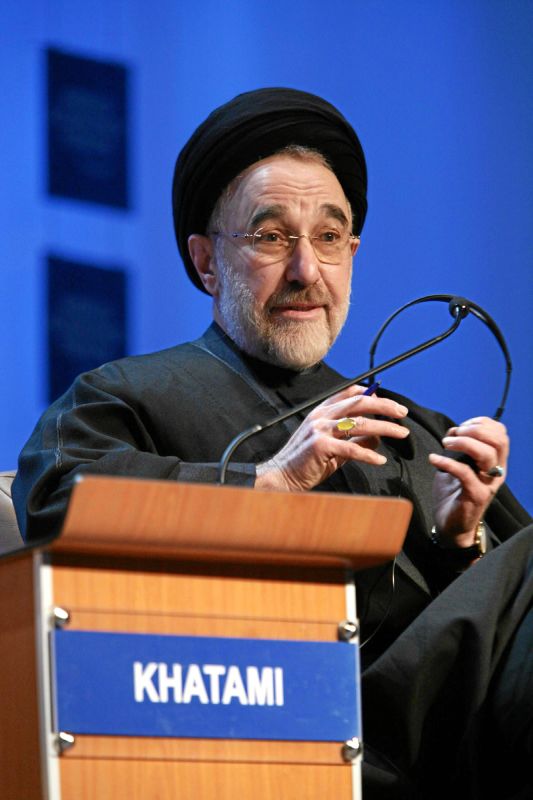
The WEF operates as a foundation with a permanent secretariat and a range of programs, councils and task forces that address topics from economic policy to technology, health and climate. Participants include heads of state and government, cabinet ministers, corporate executives, leaders of international organizations, academics and representatives of non‑governmental organizations. Political figures such as presidents and prime ministers have often taken part in sessions and roundtables political participation, while business leaders and industry figures attend to influence and learn about global trends executive participation and corporate involvement.
Origins and development
Founded in the early 1970s by an academic and business consultant, the Forum grew from a European management symposium into a global institution that issues reports, hosts regional events and runs initiatives on systemic issues. Over decades its agenda expanded from trade and corporate governance to include technology policy, inequality, sustainability and the so‑called Fourth Industrial Revolution. A recurring theme in discussions is the impact and management of globalization globalization.
Work, publications and initiatives
The WEF produces biennial and annual studies and reports that receive wide attention — for example, reports on global risks, competitiveness and technological change — and it convenes expert networks called Global Future Councils and industry or thematic partnerships. Its events aim to catalyze public‑private cooperation and to surface policy options, pilot projects and multi‑stakeholder commitments. The Forum also supports regional meetings and digital platforms to broaden engagement beyond the winter meeting programs and initiatives.
Public reaction and criticism
The WEF attracts both praise and criticism. Supporters argue it helps coordinate cross‑sector responses to shared problems and raises the visibility of complex risks. Critics contend that it privileges wealthy actors, lacks direct democratic accountability, and can reinforce corporate influence over policy. Protests and alternative events are common during Davos: some activist groups organize informational campaigns and demonstrations to challenge Forum priorities and to highlight issues such as inequality and environmental justice public protest. One watchdog and campaign group organizes public activities aimed at transparency and critique during the meeting Public Eye On Davos.
Security, access and legacy
Because high‑profile leaders attend, local authorities and national agencies typically coordinate security and access controls during the Davos meetings. Access to certain venues and parts of the town is restricted for the duration of the conference, while some official and unofficial side events remain open to invited audiences and accredited media. The WEF's long‑term influence lies in its role as a recurring forum where ideas are exchanged, partnerships are forged and reports shape public discussion; its visibility means both that its outputs can have real policy resonance and that it will remain a focal point for debate about governance, equity and globalization.
- Official foundation information: foundation details
- Headquarters and legal base: Geneva
- Annual meeting site: Davos (Graubünden)
- Typical participants include: political leaders, national executives, business leaders
- Frequent topics: globalization, economic policy, technology and sustainability
- Public responses and protest: demonstrations, watchdog campaigns
Related articles
Author
AlegsaOnline.com World Economic Forum: purpose, meetings, influence and criticisms Leandro Alegsa
URL: https://en.alegsaonline.com/art/109084
Sources
- en.graubuenden.ch : Switzerland Tourism in Davos, Graubünden on state homepage