
Globalization: definition, history, mechanisms, and impacts
Globalization is the growing interdependence of economies, cultures and governance through flows of goods, services, capital, technology, people and information across borders.
Globalization describes the increasing connections among countries and societies driven by the movement of goods, services, capital, people, information and ideas. It is both an economic process—expanding trade, investment and production across borders—and a cultural and political phenomenon that reshapes how people live, work and govern themselves. The term covers many scales, from local communities linked into global supply chains to global institutions shaping rules for cross-border activity.
Image gallery
10 Images

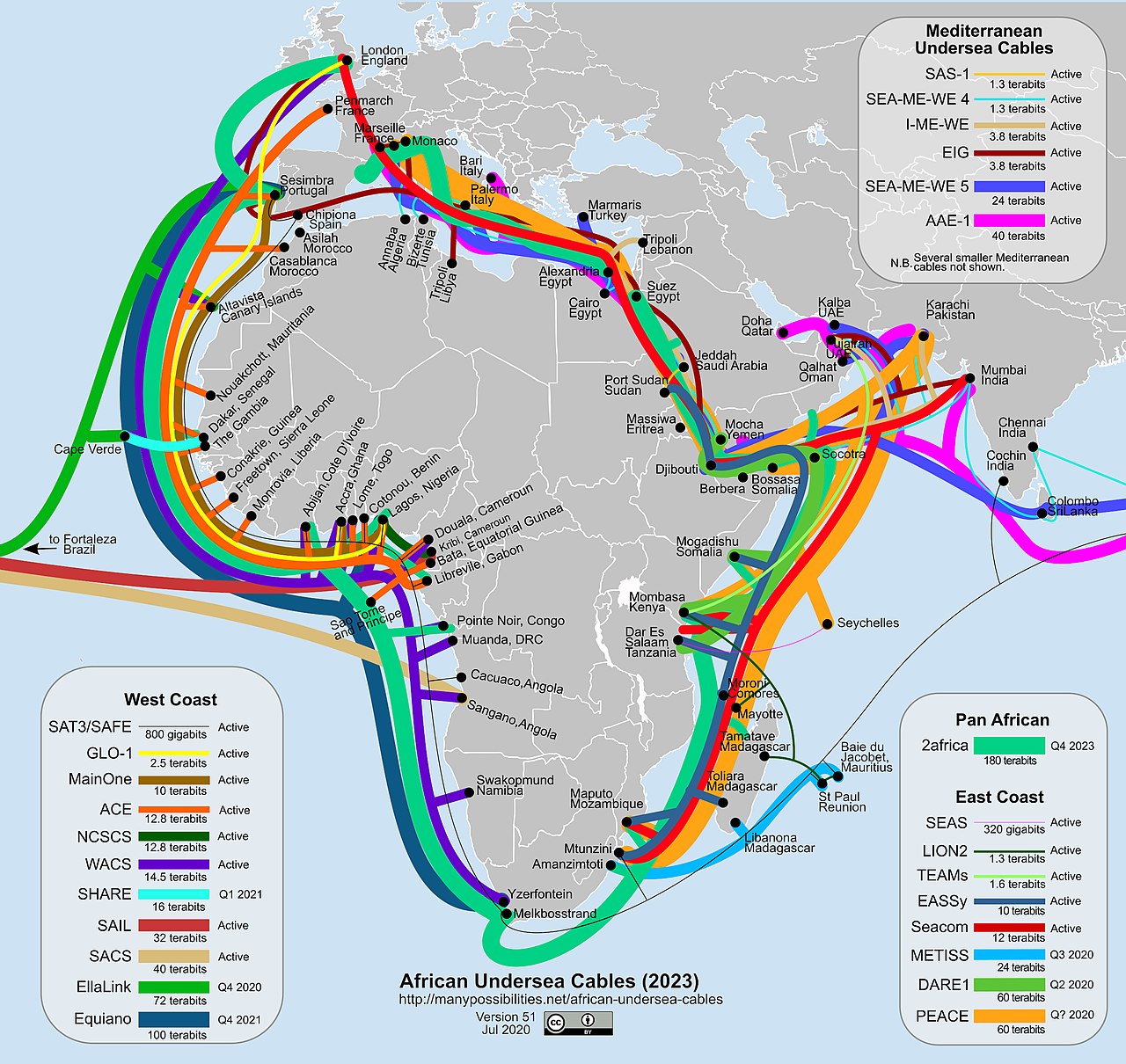


Key characteristics and mechanisms
Several recurring features characterize contemporary globalization:
- Trade and production networks: goods and components move among many countries during manufacture.
- Financial integration: capital flows across borders via investment, lending and markets.
- Technology and information: digital communications spread ideas and services rapidly.
- Mobility of people: migration, tourism and international labor markets connect societies.
- Institutions and rules: treaties, trade agreements and international organizations coordinate cross-border activity.
Historical development
Long-distance exchange has existed for millennia, but modern globalization accelerated in several phases: expanding trade and industrial production in the 19th century, deeper institutional links after major wars in the 20th century, and rapid integration in the late 20th and early 21st centuries with liberalized markets and digital networks. Each phase altered the balance between local autonomy and global interdependence.
Effects, uses and debates
Globalization has enabled economic growth, wider access to goods and technologies, and cultural exchange. It has made production more efficient through specialization and global supply chains. Critics point to rising inequality, job displacement in some regions, environmental pressures, and erosion of local customs or regulatory space. These trade-offs drive ongoing policy debates about regulation, redistribution and sustainable practices.
Examples and distinctions
Common examples include multinational corporations sourcing parts worldwide, digital services delivered across continents, and international cooperation on health or trade rules. Globalization differs from simple internationalization or regional integration by the depth and variety of cross-border linkages and by the role of global information networks that accelerate change. Understanding globalization requires attention to both its material flows and the institutions that shape them.
Questions and answers
Q: What is globalization?
A: Globalization is the process of spreading products, technology, information, and jobs across different nations.
Q: What are the elements that define globalization?
A: The elements that define globalization are the spread of products, technology, information, and jobs across different nations.
Q: Is globalization beneficial to the economy?
A: Globalization can have both positive and negative effects on the economy, depending on how it is implemented.
Q: What is the impact of globalization on employment?
A: Globalization can create job opportunities in some industries and countries, while in others it can lead to job losses due to outsourcing and competition.
Q: How does globalization affect the availability of products?
A: Globalization can increase the availability of products by making them accessible in more countries, but it can also lead to a homogenization of products and loss of local uniqueness.
Q: Is globalization a recent phenomenon?
A: No, globalization dates back to ancient times when trade routes connected different regions and enabled the exchange of goods and ideas.
Q: How has technology contributed to globalization?
A: Technology has accelerated the pace of globalization by enabling faster communication, transportation, and information exchange across borders.
Author
AlegsaOnline.com Globalization: definition, history, mechanisms, and impacts Leandro Alegsa
URL: https://en.alegsaonline.com/art/39229
Sources
- thefreelibrary.com : Four Faces of Global Culture
- gavinkitching.com : Seeking Social Justice through Globalization. Escaping a Nationalist Perspective