
Xerophyte: plants adapted to dry environments
Xerophytes are plants adapted to environments with limited water. This article explains their defining traits, common adaptations, typical habitats and examples, uses, and how they differ from related plant groups.
Overview
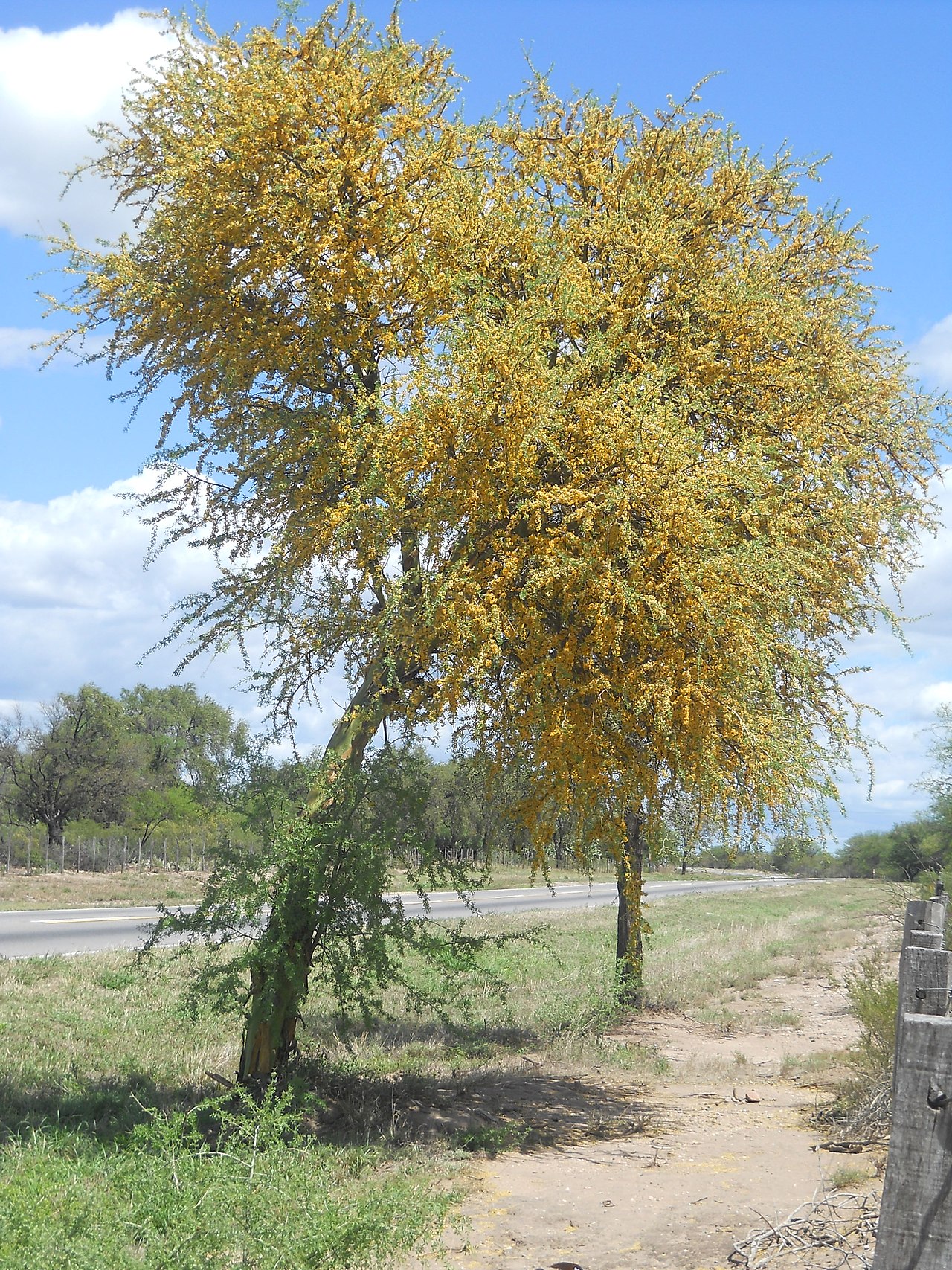
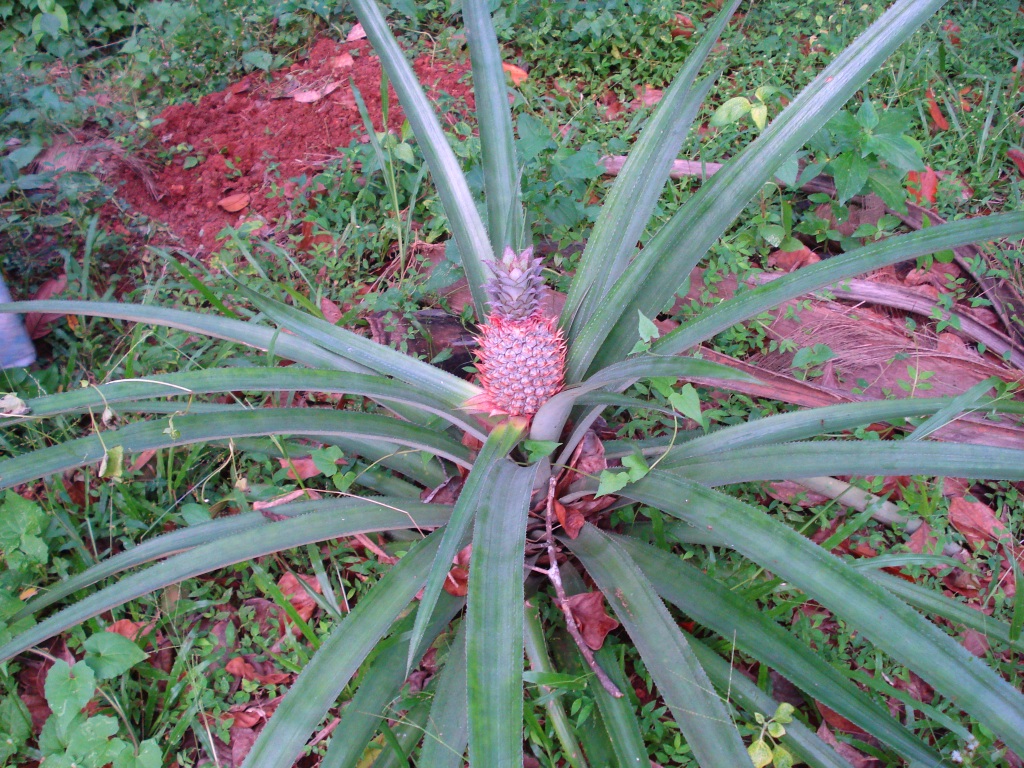
A xerophyte is a plant that survives and reproduces in environments where liquid water is scarce for long periods. The word combines Greek roots meaning "dry" and "plant." Xerophytes occur in classic deserts but also in dry alpine slopes, Mediterranean climates, and other water-limited sites. See general resources on xerophytes for introductions and images.
Image gallery
10 Images



Major adaptations
Xerophytes employ a suite of structural and physiological strategies to conserve or store water. Common adaptations include:
- Water storage (succulence): swollen stems or leaves that hold water.
- Reduced or modified leaves: spines or tiny leaves to cut transpiration.
- Thick cuticle and waxy coatings: a barrier that slows evaporation.
- Stomatal control and timing: sunken stomata, fewer stomata, or opening at night (CAM photosynthesis) to reduce daytime loss.
- Root strategies: very deep taproots or widespread shallow roots to capture episodic rainfall.
- Surface features: hairs (trichomes), reflective surfaces, leaf rolling, or shedding during extreme drought.
Forms and notable examples
Not all xerophytes look alike. Some are succulent plants that store water; others are woody shrubs or low annuals that avoid drought by completing their life cycle quickly. Succulents such as many succulent species store water in fleshy tissues. Cacti are a well-known group adapted to arid desert conditions; the sharp spines of a cactus are modified leaves that reduce loss and shade the stem. Manzanita shrubs (Arctostaphylos) have a thick, waxy surface and often orient leaves to reduce direct sun exposure—traits typical of many drought-tolerant shrubs; see an example entry at manzanita-related resources.
Distribution, history and naming
Xerophytic plants are widespread wherever water is a limiting factor: hot deserts, cold dry steppes, rocky outcrops, and some coastal and urban sites with poor soil moisture. The descriptive term comes from classical languages and entered botanical usage as researchers classified plants by ecological habit; over time it has become a standard way to group drought-tolerant growth forms rather than a taxonomic category.
Uses, ecological role and importance
Xerophytes are important for stabilizing soils, providing habitat and food in arid ecosystems, and for human uses. Many species are popular in low-water landscaping (xeriscaping) because they reduce irrigation needs. Economically valuable plants such as agave, certain aloes and some shrubs supply fibers, medicines, or ornamental value. With increasing drought risk in many regions, xerophytic strategies are important in conservation and sustainable landscape design.
Distinctions and notable facts
Some common clarifications: succulents are a subset of xerophytes but not all xerophytes are succulent; halophytes are salt-tolerant plants that may also be xerophytic in habit but are defined by salinity tolerance. Many xerophytes use crassulacean acid metabolism (CAM) to open stomata at night. Others survive drought by becoming dormant or by producing short-lived seeds that germinate only after rain. These varied solutions show how different lineages have converged on similar functions to cope with water scarcity.
Questions and answers
Q: What are xerophytes?
A: Xerophytes are plants that have adapted to dry/desert areas.
Q: What type of plants are xerophytes?
A: Xerophytes are a type of succulent plant.
Q: What special features do xerophytes have?
A: Xerophytes have special features to survive harsh conditions. For example, a cactus has white hairs that prevent water loss. Manzanita plants have a thick waxy coating and keep their leaves vertical to the sun.
Q: What is the purpose of the white hairs on a cactus?
A: The white hairs on a cactus prevent water loss.
Q: What is the special feature of manzanita plants?
A: Manzanita plants have a thick waxy coating and keep their leaves vertical to the sun.
Q: Why do xerophytes have special features?
A: Xerophytes have special features to survive harsh, dry/desert conditions.
Q: What is the importance of xerophytes in their environment?
A: Xerophytes are important in their environments because they are adapted to survive in harsh, dry/desert conditions where other plants may not be able to survive.
Related articles
Author
AlegsaOnline.com Xerophyte: plants adapted to dry environments Leandro Alegsa
URL: https://en.alegsaonline.com/art/109468