
Wolseley Expedition (1870): Federal Response to the Red River Rebellion
British-Canadian military expedition led by Colonel Garnet Wolseley in 1870 to assert federal authority in the Red River region and confront the provisional government of Louis Riel.
The Wolseley Expedition was a 1870 military movement organized by the Canadian government to reassert control over the Red River region and to confront the provisional government led by Louis Riel. Commanded by Colonel Garnet Wolseley, the force travelled from Toronto toward Winnipeg along a difficult inland route (the expedition route) to restore Canadian civil authority and secure the newly negotiated terms for Manitoba's entry into Confederation.
Image gallery
4 Images


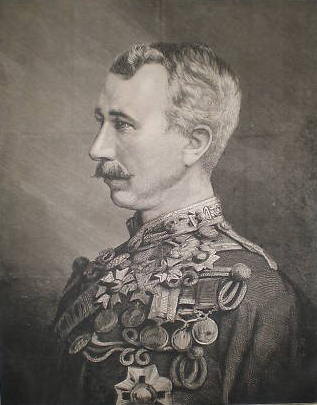
Background
The expedition was prompted by unrest in the Red River Settlement, where Métis communities and settlers resisted the rapid transfer of territory to the federal government without clear guarantees for local rights. A provisional government formed under Riel raised tensions; the federal authorities decided to send an armed column both to protect settlers and to demonstrate the authority of the new national government. Political debate in eastern Canada over how to respond influenced the timing and scale of the operation.
Route and logistical challenges
The column combined regular British troops, Canadian militia and civilian labourers and relied on rivers, lakes and overland portages. Moving heavy artillery, supply wagons and boats across rugged terrain, rapids and spring mud made the advance slow and costly in manpower and effort. Contemporary commentators described the campaign as one of the more arduous Canadian expeditions of that period because of weather constraints and the complexity of resupply over long distances.
Key features of the operation included:
- Use of steamboats and bateaux where possible and long portages elsewhere.
- A mixed force of imperial and colonial troops with civilian support elements.
- A narrow seasonal window that shaped planning and movement.
Outcome and legacy
When the column reached the Red River area the immediate military confrontation was limited: Riel and many leading figures had already left the field, and Winnipeg was occupied without prolonged urban fighting. The expedition's arrival helped secure the conditions under which Manitoba joined Confederation, but it also deepened grievances among the Métis over land, language and political rights. Those issues shaped later disputes and remain central to Canadian discussions about reconciliation and Indigenous and Métis rights.
The Wolseley Expedition is remembered both for its demonstration of federal reach across vast territory and for the complex political consequences that followed. It is often cited in studies of Canadian westward expansion, military logistics in rugged environments, and the fraught negotiations between colonial authorities and Indigenous and Métis communities.
Related articles
Author
AlegsaOnline.com Wolseley Expedition (1870): Federal Response to the Red River Rebellion Leandro Alegsa
URL: https://en.alegsaonline.com/art/108850