
Mobile device
Portable electronic device used for communication, computing and media; includes phones, tablets, handheld consoles and wearables, with batteries and wireless connectivity.
A mobile device is a portable electronic device designed to be carried and used while away from a fixed power or desk setup. Typical examples include the mobile phone, personal digital assistant or PDA, and handheld game consoles such as dedicated portable players and modern handheld game consoles. These devices combine processing, storage and user interfaces in compact housings so people can perform communication, productivity and entertainment tasks on the move.
Image gallery
10 Images
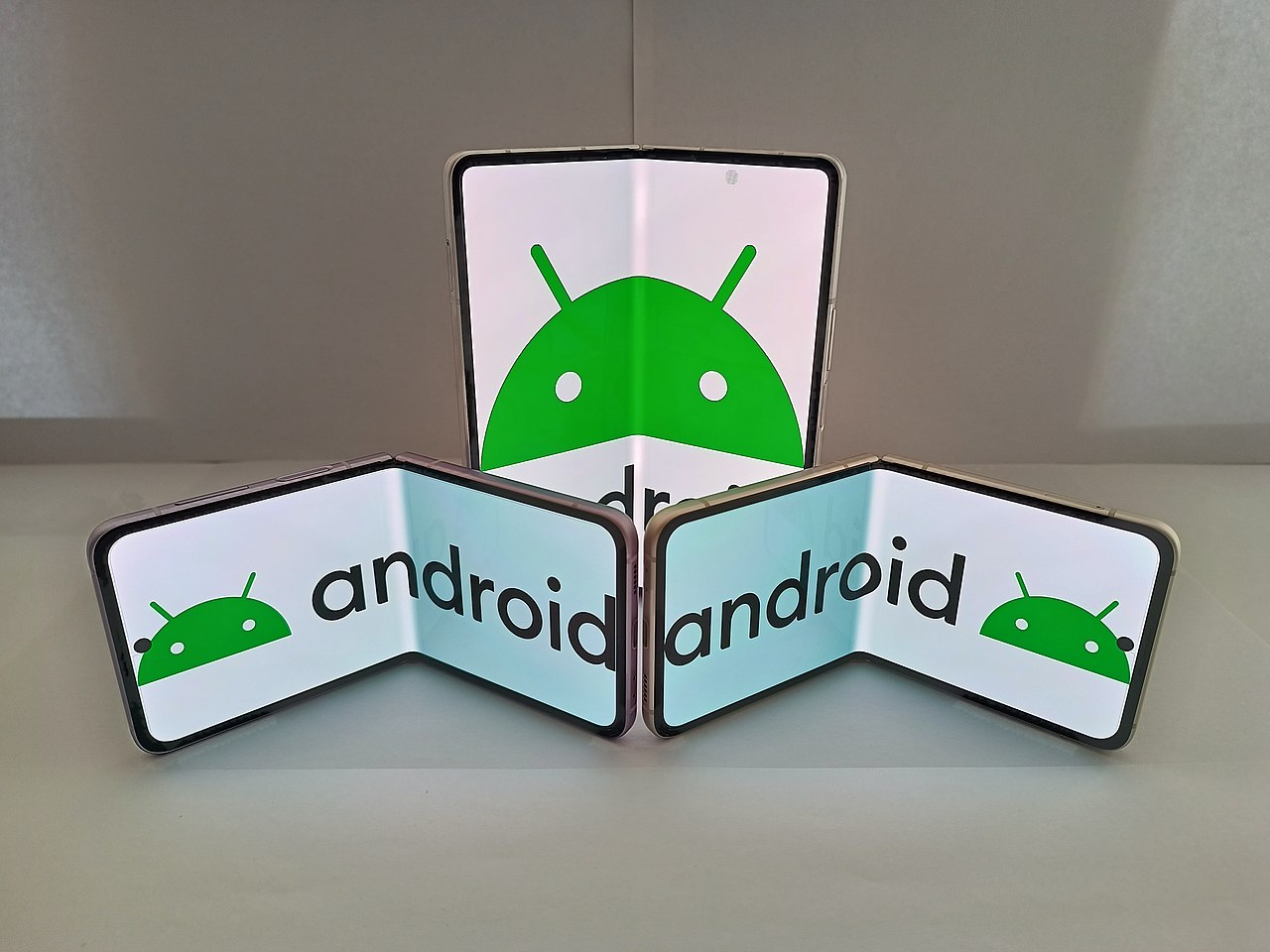


Common characteristics and parts
Most mobile devices share a set of core components: a display and input method (touchscreen, buttons or game controls), a central processor, volatile and non‑volatile memory, a rechargeable battery, radios for networking and sensors such as GPS, accelerometers and cameras. They rely on stored electricity in the battery to operate independently of mains or fixed electric wires. The operating system and applications manage resources and provide a user environment similar in capability to a small computer.
Types and examples
- Phones and smartphones: single‑handed devices for voice, messaging and apps; modern smartphones offer extensive computing features.
- Tablets: larger touchscreens for media, reading and light productivity; see tablets.
- Personal organisers: earlier PDAs and organisers are examples of PDA form factors.
- Gaming handhelds: consoles and dedicated devices are represented by handheld game consoles.
- Wearables and specialized units: watches, fitness trackers and rugged field units built for specific tasks.
Connectivity, power and data
Mobile devices move information by connecting to networks and other equipment. They can exchange data through wired methods — for instance using a modem or a physical cable — but most commonly via wireless links such as cellular, Wi‑Fi or Bluetooth (wirelessly). This capability enables email, web access and multimedia streaming while away from a fixed location.
Uses, software and media
Mobile devices are used for communication, information access and entertainment. Common activities include reading and sending e‑mail, browsing the internet, listening to music and watching video. More advanced devices run full applications and games; modern app ecosystems allow installation of varied computer programs for productivity, navigation, banking and social interaction.
History, importance and distinctions
The evolution from basic mobile phones and early PDAs to powerful smartphones and tablets reflects advances in microprocessors, battery technology and wireless networks. Early portable devices focused on single tasks, whereas contemporary units emphasize multi‑function convergence. Important distinctions include battery life versus processing power, the balance between portability and screen size, and platform ecosystems that determine available software and services.
Considerations and notable facts
- Security and privacy: mobile devices store sensitive data and use encryption, authentication and app permissions to protect users.
- Repairability and lifecycle: batteries and screens are common wear items; replaceability affects device longevity.
- Interoperability: many devices pair with other hardware and cloud services to extend capability.
For brief reference, examples of device categories and related topics appear in industry guides and technical overviews: see entries on mobile phones, PDAs, handheld game consoles, and the broader classes of smartphones and tablets. Technical resources also describe power systems such as the battery and concepts of electricity management, methods of wired connection (e.g. modem, cable) and wireless transfer (wirelessly). Practical uses cover e‑mail, internet access and running third‑party computer programs for many everyday tasks.
Questions and answers
Q: What is a mobile device?
A: A mobile device is an electronic device that can be easily carried by its user, such as a mobile phone, PDA, or handheld game console.
Q: Do mobile devices require an external power supply to work?
A: No, mobile devices do not need an external power supply to work. They typically have a battery that holds electricity to work without electric wires.
Q: How can a user change, send, and move data on a mobile device?
A: A user can change, send, and move data on a mobile device by connecting to a modem or cable, or more often wirelessly.
Q: What are some uses for mobile devices?
A: Some uses for mobile devices include reading and writing e-mails, surfing the internet, and listening to music.
Q: Can smartphones and similar mobile devices run computer programs?
A: Yes, smartphones, tablets, and similar complicated mobile devices can run computer programs, including computer games, and have many of the functions of a desktop PC.
Q: Can mobile devices be used for gaming?
A: Yes, mobile devices such as handheld game consoles and smartphones can be used for gaming.
Q: Can mobile devices be used to access the internet?
A: Yes, mobile devices can be used to access the internet, including surfing the web and sending and receiving email.
Related articles
Author
AlegsaOnline.com Mobile device Leandro Alegsa
URL: https://en.alegsaonline.com/art/65669