
Windhoek — capital of Namibia
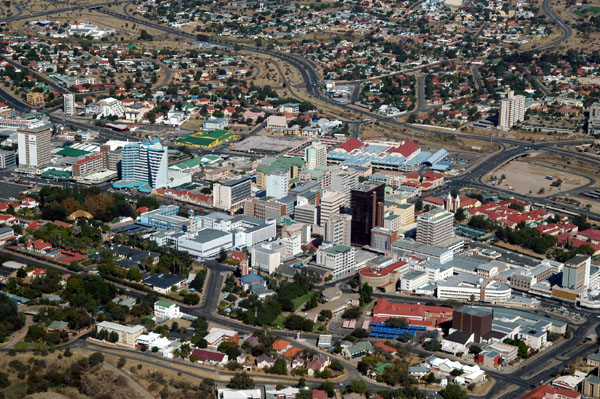
Windhoek is the capital and largest city of Namibia. Located in central Namibia, it is the country's administrative, economic and cultural hub with a semi‑desert climate and diverse heritage.
Overview
Windhoek (German: Windhuk) is the capital and largest city of Namibia. It serves as the principal centre of government, commerce and transport for the country. The city's population is estimated at about 230,000 residents, concentrated in and around the Khomas Highland basin where the urban area sits.
Image gallery
10 Images


Geography and climate
Windhoek lies inland on a plateau at moderate elevation, surrounded by semi‑arid hills. Its climate is classed as semi‑desert, with warm to hot days, cool nights and a pronounced dry season; most rainfall occurs during a short summer period. Water supply, urban vegetation and the adaptation of architecture to dry conditions are important considerations for the city's planning and daily life. For general climate information, see climate references.
History
The site of Windhoek developed from a settlement and trading post in the 19th century. The area came under the influence of Germany in the late 19th century and was designated the capital of the German colony, German South‑West Africa, around 1892. During World War I the town was captured by forces from South Africa, after which South Africa administered the territory (renamed South West Africa) until Namibian independence in 1990.
Economy, society and culture
Windhoek is a regional hub for public administration, finance, education and light industry. Historically the city has been a centre for the trade in agricultural products such as sheep skins and hides; today its economy is more diversified with services, retail and manufacturing. The population is multilingual and multicultural, with languages such as English, Afrikaans and indigenous languages commonly used in daily life. Windhoek is also known for high standards of urban cleanliness and municipal services compared with many other cities in the region.
Landmarks and administration
The city contains government offices, national museums and notable colonial‑era architecture that reflects its history, including several Lutheran churches and public buildings influenced by German design. As the seat of national government, Windhoek hosts foreign missions, national institutions and the principal transport connections that link Namibia internally and to neighbouring countries.
Notable facts and contemporary role
- Windhoek functions as Namibia's political, economic and cultural centre.
- It balances urban growth with water and environmental constraints typical of semi‑arid cities.
- The city's colonial history and subsequent developments shape much of its architecture and institutions.
For further background and travel or research resources see national and regional references linked here: historical context, colonial era, establishment dates, and contemporary overviews at language and name notes, country profile, demographics, World War I events, regional authorities and climate summaries.
Related articles
Author
AlegsaOnline.com Windhoek — capital of Namibia Leandro Alegsa
URL: https://en.alegsaonline.com/art/108492
Sources
- neweralive.na : City of Windhoek, 2019-12-16
- nbc.na : nbc.na
- cms.my.na : "Table 4.2.2 Urban population by Census years (2001 and 2011)"
- southerntimesafrica.com : southerntimesafrica.com